Search history
Clear allSearch by image
XDrag and drop an image here or upload an image
Max 5MB per image
UploadSign In | Join

Search history
Clear allSearch by image
XDrag and drop an image here or upload an image
Max 5MB per image
UploadSign In | Join
XIN HONG Materials Co,.Ltd. 12yr.
Contacts Mr LI Chat
Mobile 18066212379
LBSbxg

WhatsApp wechat:LBSbxg


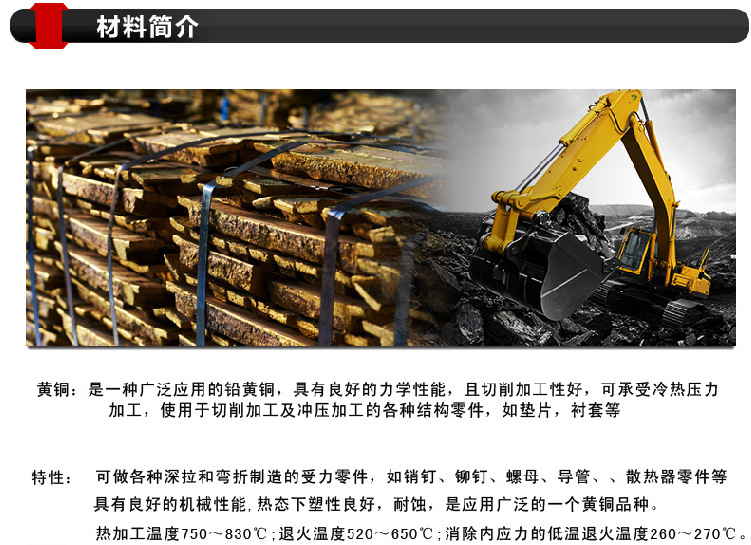


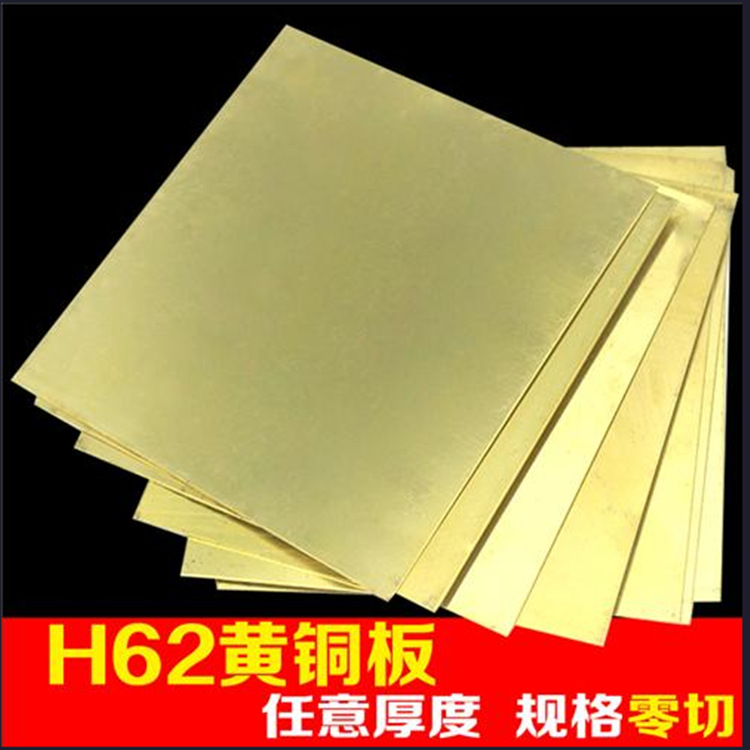
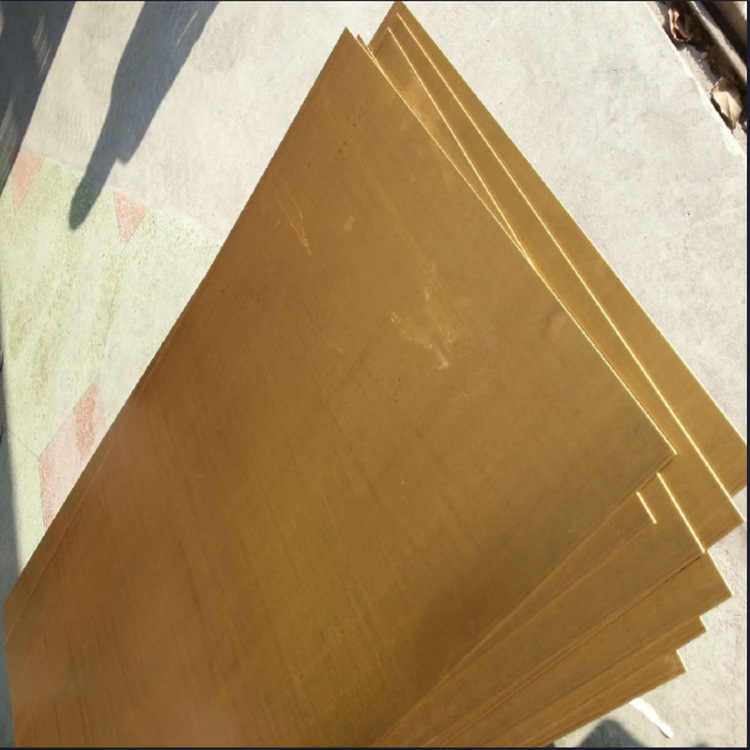
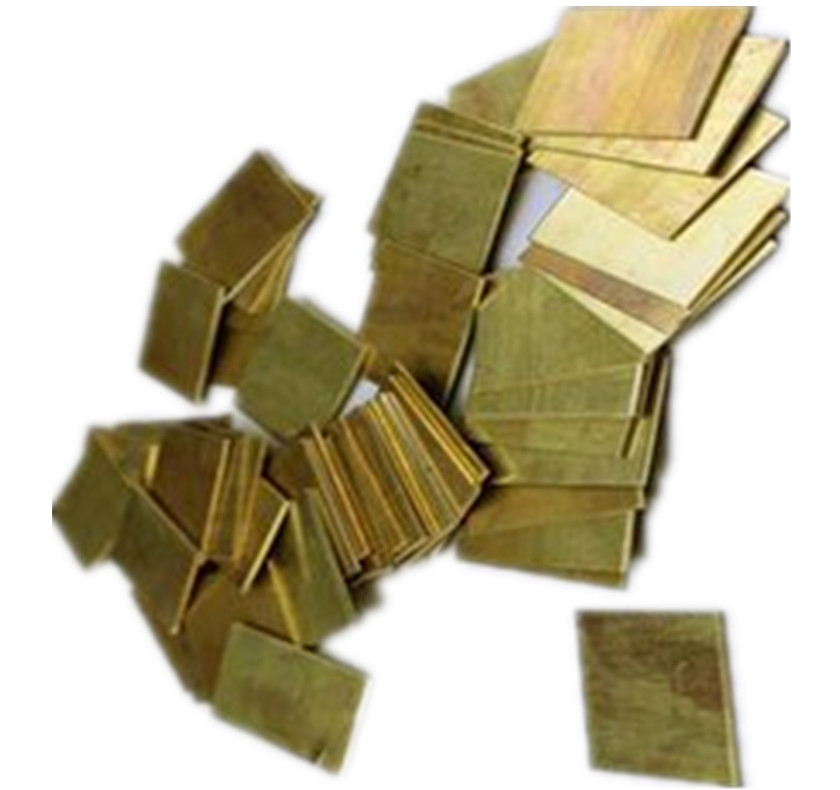
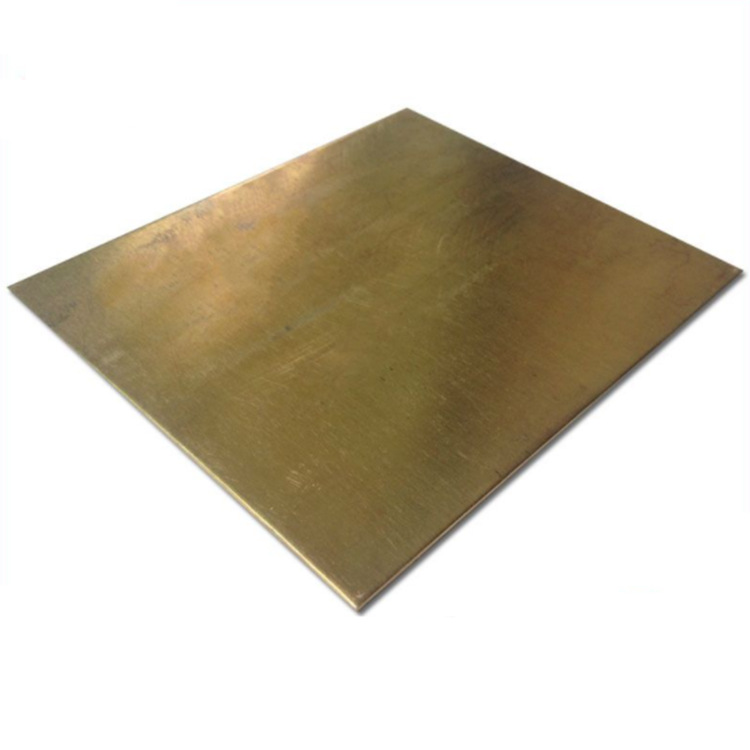
H62 brass is a common type of brass with an average copper content of 62%.
A common brass strip indicating an average copper content of 62%. Here, the first letter of the pinyin for the Chinese character "huang" is H; 62 represents the average content of copper elements. A copper alloy containing other elements in addition to ordinary brass is called special brass, also denoted by "H". Subsequent symbols and average compositions of the added elements will follow, such as H62, which indicates a copper content of 60.5%–63.5%, with the remainder being zinc content.HAl5-9-3-2It indicates that the copper content is 57%–60%, aluminum content is 2.5%–3.5%, nickel content is 2%–3%, and the remainder is zinc content. Brass is divided into three types: ordinary brass, special brass, and cast brass. Cast brass is denoted by ZCu followed by symbols representing other elements and their average contents.
Chinese Name
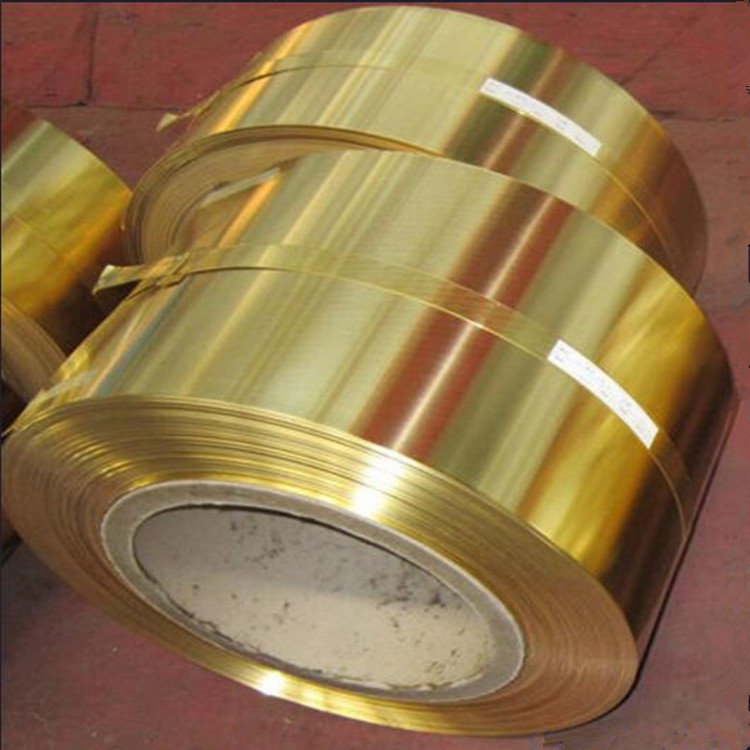
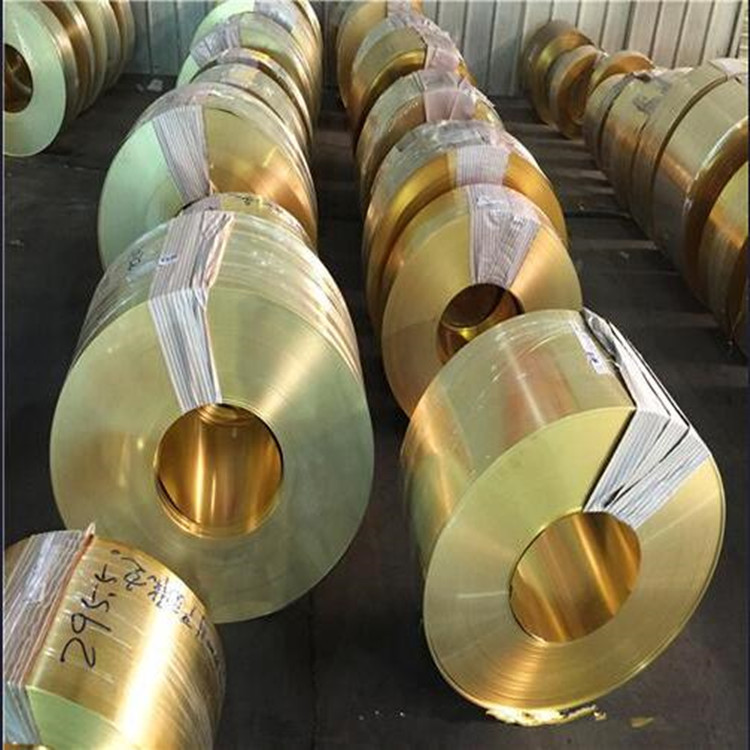
H62 Brass Band
Elongation rate ≥ 30
Tensile strength ≥ 315
≥315
Copper (Cu): 60.5~63.5%
Iron (Fe): ≤ 0.1.5%
Antimony (Sb): ≤0.005%
Bismuth (Bi): ≤0.002%
Phosphorus (P): ≤0.01%
Zinc (Zn): Remainder
Total impurities: ≤0.5%
Common brass, with good mechanical properties. It has good plasticity at high temperatures and also at low temperatures. It has good machinability, is easy to braze and weld, and is corrosion-resistant, but it is prone to...
H62 Brass Band
Corrosion and cracking. Additionally, it is inexpensive and a common brass variety with wide applications. H6₂ (i.e., 46% brass). At room temperature, the β phase is much harder than the α phase, allowing it to be used for parts subjected to high loads. α+β dual-phase brass can undergo thermal processing above 600°C. Microstructure of α+β dual-phase brass: α is a bright white solid solution, while β is an ordered solid solution based on CuZn. A strong electric field inhibits voids in the high-temperature deformation of H6₂ brass.
Can be used to produce load-bearing parts through various stretching and bending processes, such as pins, rivets, washers, nuts, conduits, pressure gauge springs, and radiator components.
Note: Room temperature tensile mechanical properties of other wires, except those used for locks and clocks
Hot processing temperature: 650~850℃
Annealing temperature: 600~700℃
Low-temperature annealing temperature for eliminating internal stress: 270~300°C.
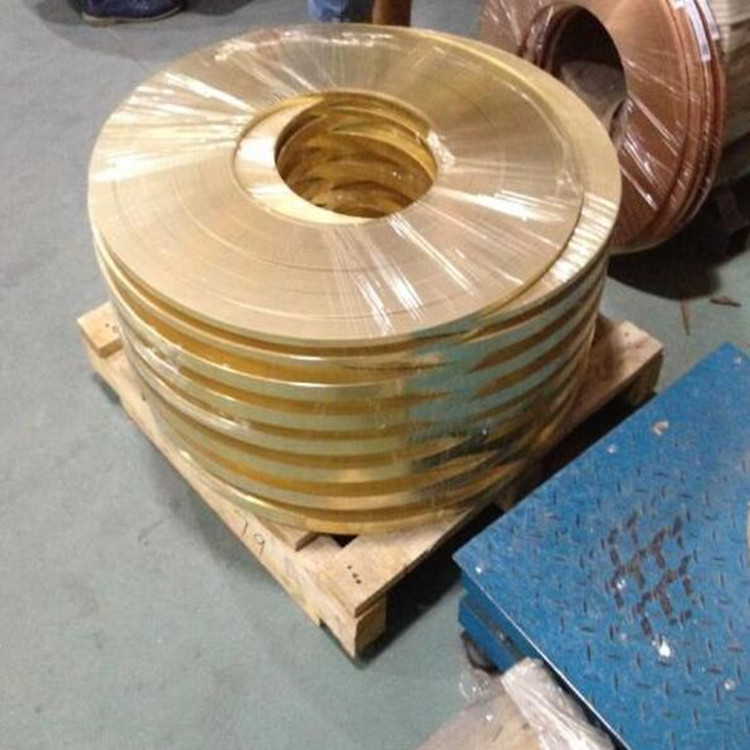
H65 Brass Band
Performance is between H68 and H62; the price is lower than H68. It also possesses high strength and plasticity, can withstand cold and hot pressure processing well, though it has a tendency to corrode and crack. It is a common brass variety with good mechanical properties, good plasticity in hot state, acceptable plasticity in cold state, excellent machinability, easy to braze and weld, and resistant to corrosion—though it is prone to corrosion and cracking. Additionally, its low cost makes it a widely used ordinary brass type. It is used in small hardware items, daily necessities, small springs, screws, rivets, and mechanical parts.
chemical composition
| Chemical composition of processed copper (GB/T 1945-1994) | |||||||||
| H65 Brass Band - Chemical Composition / % | |||||||||
| Copper Cu | Zinc zn | Lead Pb | Boron P | Iron Fe | Beryllium Sb | Bismuth Bi | - | impurities | Others |
| 6.05~6.35 | margin | 0.03 | 0.01 | 0.10 | 0.005 | 0.002 | - | 0.3 |
- |
Mechanical properties
| Cards Number: | H65 |
| State: | Y |
| Thickness: | 0.2 |
| Tensile Strength: | 390~530 |
| Break-off extension ratio: | ≥13 |
| Hardness: | 105~175HV |
Heat treatment specifications: Heat processing temperature 640–780°C; annealing temperature 600–650°C; low-temperature annealing temperature for stress relief 285°C.


Update time:


TOP