Search history
Clear allSearch by image
XDrag and drop an image here or upload an image
Max 5MB per image
UploadSign In | Join

Search history
Clear allSearch by image
XDrag and drop an image here or upload an image
Max 5MB per image
UploadSign In | Join
XIN HONG Materials Co,.Ltd. 12yr.
Contacts Mr LI Chat
Mobile 18066212379
LBSbxg

WhatsApp wechat:LBSbxg
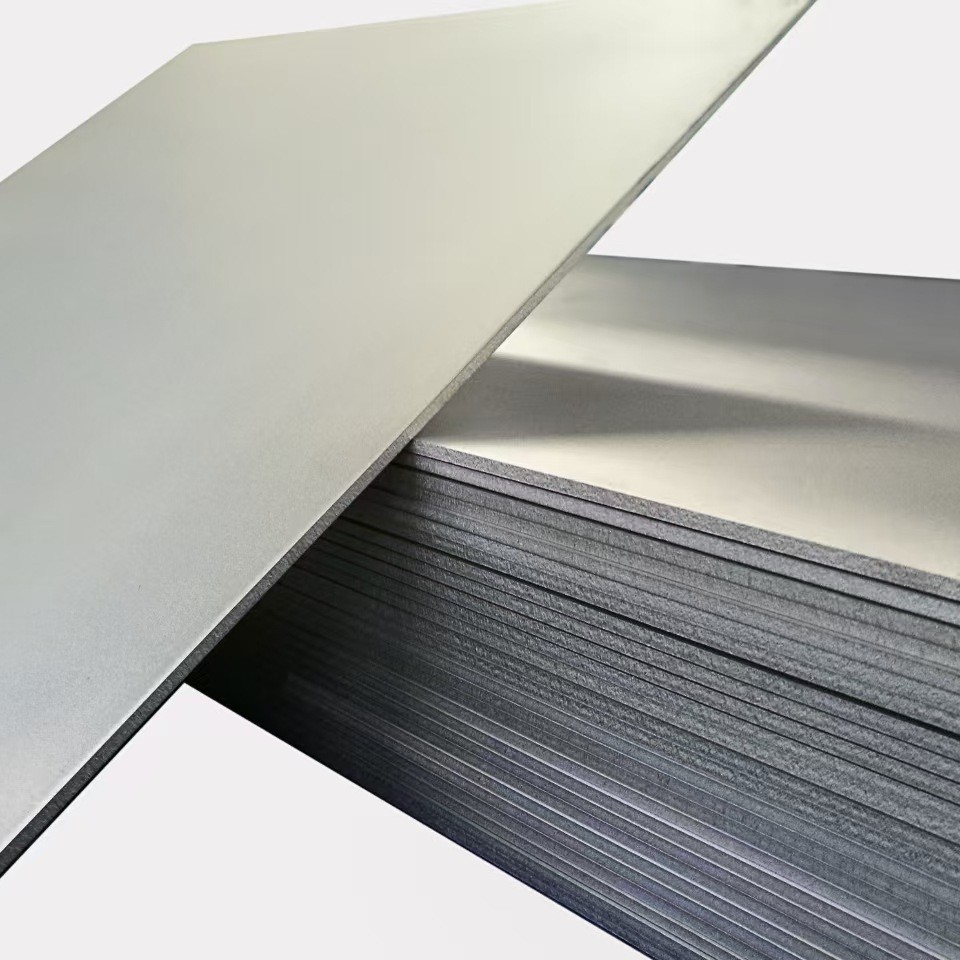
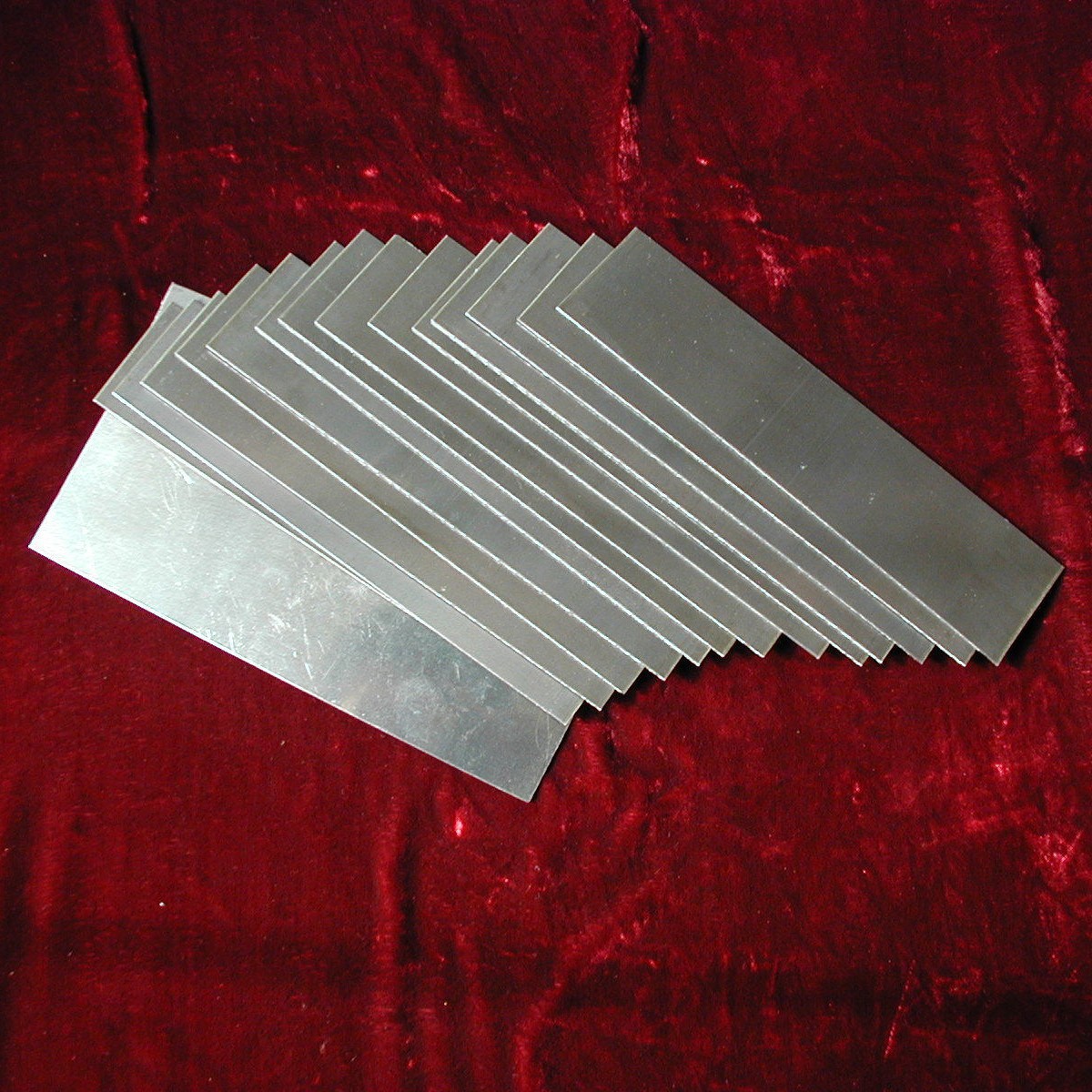
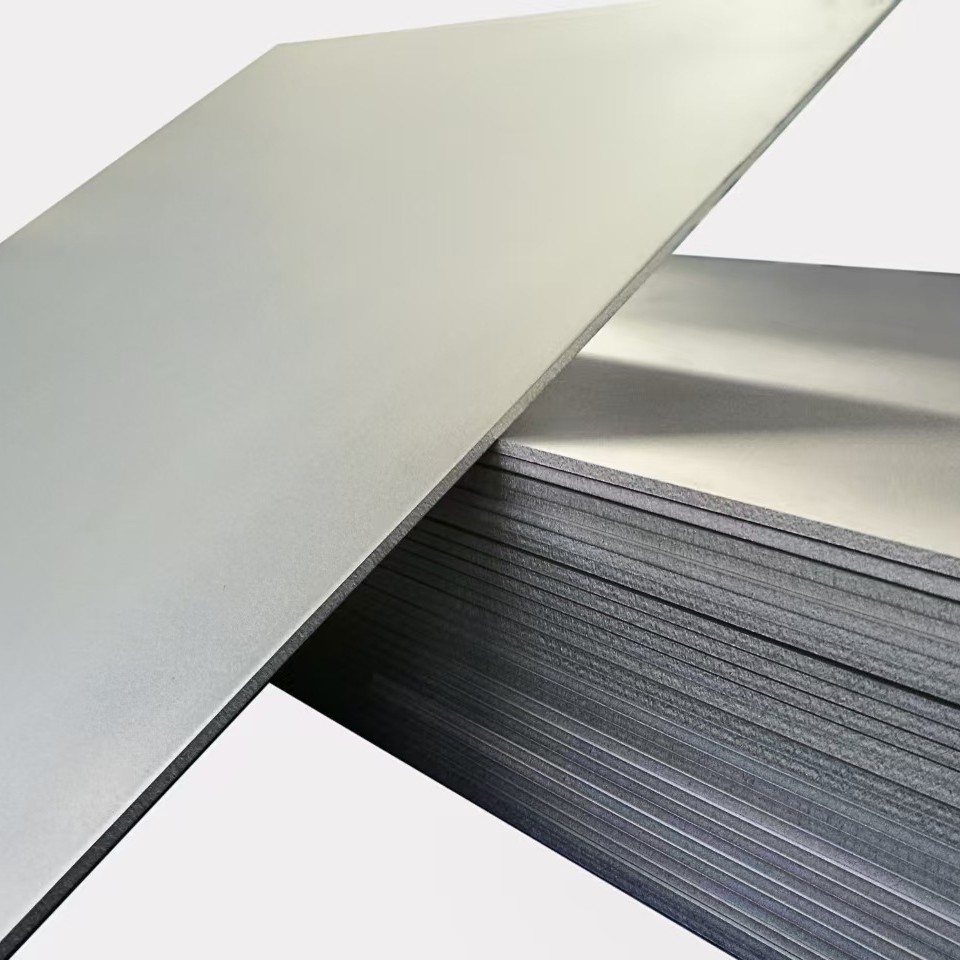
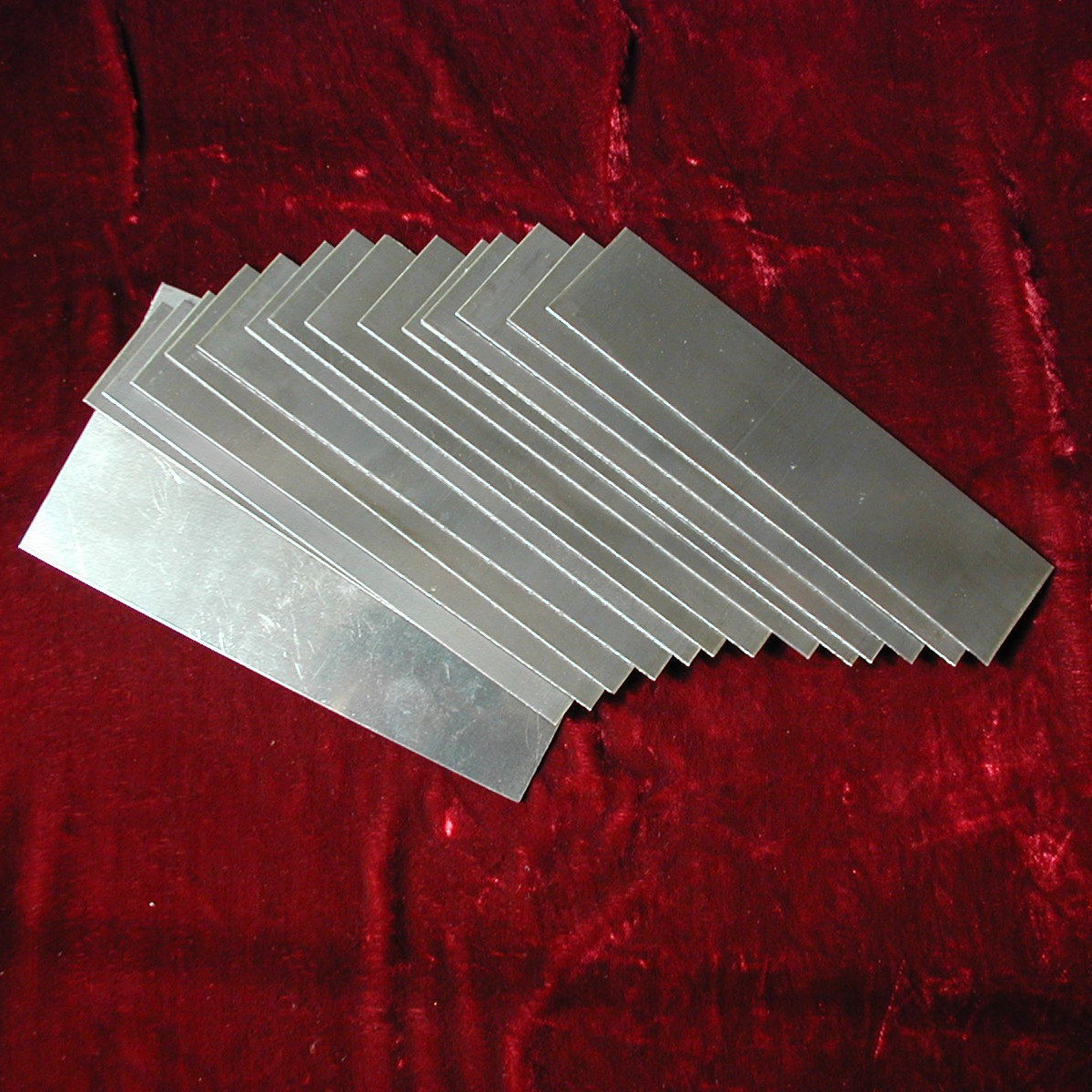
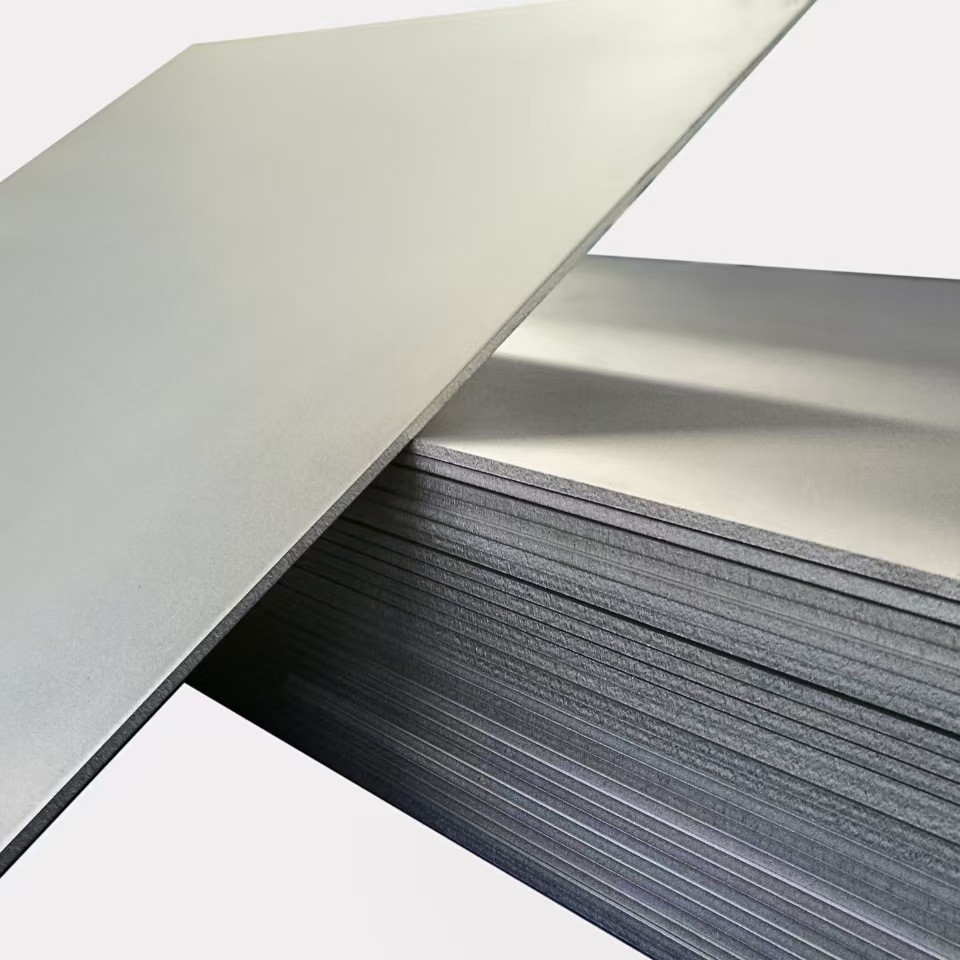
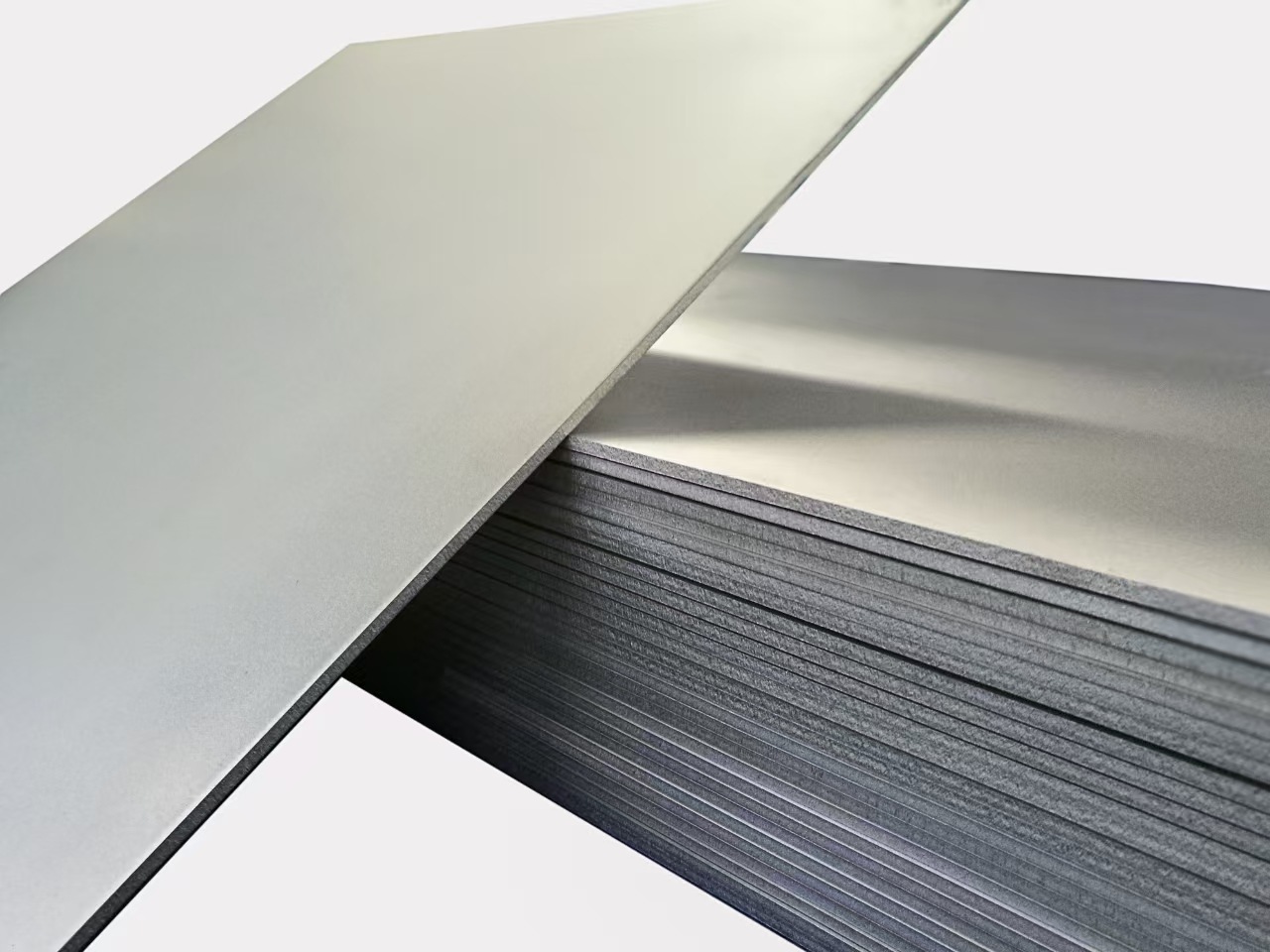
Nickel-titanium shape memory alloy plates; ultra-stretch nickel-titanium sheets; nickel-titanium ultra-stretchy pieces with thickness ranging from 0.1mm to 3.0mm
Alloy grades:NiTi
Technical standards:GB 24627-2009, ASTM F2063-2018
Product Specifications:Complete, including sheets/bullets, with support for custom specifications.
Surface Condition:Cold-rolled surface / Pickled surface / Polished surface
Delivery Status:annealing state / cold-rolled state
Introduction to Nickel-Titanium Alloy
Nickel-titanium alloy is a shape memory alloy. Shape memory alloys are special alloys that can automatically restore their original shape through plastic deformation at a specific temperature. It has a stretch ratio of over 20%, a lifespan of 10^7 times, damping properties 10 times higher than those of ordinary springs, and better corrosion resistance than current stainless steels. Therefore, it meets the requirements of various engineering and medical applications and is an excellent functional material.
In addition to its unique shape memory property, shape memory alloy also possesses excellent characteristics such as wear resistance, corrosion resistance, high damping, and super elasticity.
Grade: TiNi-01; Phase Transition Temperature: 20℃–40℃; TiNi-02; Phase Transition Temperature: 45℃–90℃; TiNi-SS; Phase Transition Temperature: 5℃–15℃; TiNi-03; Phase Transition Temperature: <5℃; TiNi-YY; Phase Transition Temperature: 33℃±3℃; TiNiCU; Phase Transition Temperature: As-Ms ≤ 5℃; TiNiNb; Phase Transition Temperature: As-Ms < 150℃
Physical properties of nickel-titanium alloy: Tensile strength: 850 MPa; Yield strength: 195–690 MPa; Elongation: 25–50%
Chemical composition of the nickel-titanium alloy memory wire: Ni: 5.5.4%--5.6.2%, C≤0.0.7, H≤0.00.5, O≤0.00.5, N≤0.00.5
TiNi shape memory alloy is a functional material that, in addition to features such as high strength-to-weight ratio, wear resistance, corrosion resistance, non-magnetic properties, and good biocompatibility, also possesses unique shape memory and superplasticity properties. It is widely used in aerospace, communications, healthcare, automatic control, instrumentation, pipeline connections, glasses manufacturing, and daily life.
Product Uses:
• Aviation sector: Shape memory alloy is used in aviation and space devices. It can be applied as low-temperature coupling components in aircraft hydraulic systems, and also in the production of lunar antennas for exploring the mysteries of space. People use shape memory alloy to manufacture antennas at high temperatures, then compress them into a small iron ball at low temperatures, reducing their volume to one thousandth of its original size. This makes it easy to transport to the Moon. The intense solar radiation causes the material to return to its original shape, allowing valuable cosmic information to be sent back to Earth as needed. Additionally, a shape memory release device that opens containers is used in satellites; these containers protect sensitive germanium detectors from contamination during assembly and launch.
• Electronics sector: Applied in electronic products mainly include memory alloy headphone stands and memory alloy headphone cables. They possess the following advantages: ultra-elasticity—the elastic modulus is 8 times that of stainless steel; temperature-sensitive memory—the memory alloy headphone cable becomes very soft when the temperature drops below 5 degrees Celsius, allowing it to deform freely, while when the temperature rises to body temperature, the material automatically returns to its original shape with exceptional elasticity; the material has passed SGS testing, and the results comply with the EU’s RoHS directive, containing no cadmium, mercury, or hexavalent chromium; this material is extremely lightweight, with a density of only 6.4 g/cm³; it is resistant to acids and alkalis, and has stronger corrosion resistance than titanium, resulting in a longer service life.
• Medical field: NITI shape memory alloy is used in medicine. In addition to its shape memory effect or super elasticity, it also has good biocompatibility. NITI can form a stable passivation film with biological tissues. The main applications of the NITI alloy in medicine include: dental orthodontic wires, spinal scoliosis correction. Additionally, in surgery, it is used to manufacture various bone connectors, vascular clamps, coagulation filters, and blood vessel dilation components. It is also widely used in dentistry, orthopedics, cardiology, hepatobiliary medicine, urology, gynecology, etc. With the development of shape memory technology, medical applications will become even more extensive.
• Construction sector: In the engineering and construction fields, the potential of NITI shape memory alloy as a soundproof material and for detecting earthquake damage control has been demonstrated. Applications in bridges and buildings have been tested, thus its use as a soundproof material and for damage detection has become a new application area.
• Automotive industry: Utilizing the shape change of nickel-titanium alloy temperature-controlled springs at specific temperatures, it is possible to effectively control the temperature of the car radiator and prevent its explosion. When the car is driving on the highway for an extended period and the radiator temperature becomes too high, the temperature controller installed in the sensitive area of the radiator will automatically close the radiator valve and activate the internal fan to cool the water in the radiator. This enables the car to operate safely for long periods on the highway, providing safety protection for the engine.
• Life applications: Shape memory alloy springs can be used to control the water temperature in bathroom pipes. When the hot water is too high, the "memory" function adjusts or closes the water supply pipe to prevent burns. Springs made of shape memory alloy can be placed inside the heating valve to maintain the desired temperature. When the temperature is too low or too high, the heating valve automatically opens or closes. NITI alloy is also used for the nose bridge and ear components of glasses frames, providing comfort and resistance to wear. Using ultra-elastic NITI alloy wire for glasses frames ensures that even when the lenses expand due to heat, the shape memory alloy wire maintains the lenses firmly with its ultra-elastic constant force. The deformation capacity of these ultra-elastic alloy glasses frames is much greater than that of ordinary frame materials.


Update time:


TOP