Search history
Clear allSearch by image
XDrag and drop an image here or upload an image
Max 5MB per image
UploadSign In | Join

Search history
Clear allSearch by image
XDrag and drop an image here or upload an image
Max 5MB per image
UploadSign In | Join
XIN HONG Materials Co,.Ltd. 12yr.
Contacts Mr LI Chat
Mobile 18066212379
LBSbxg

WhatsApp wechat:LBSbxg
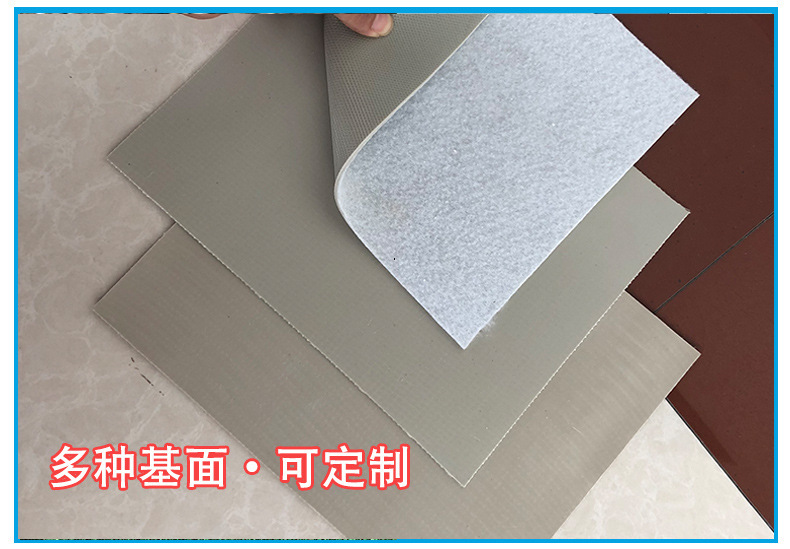
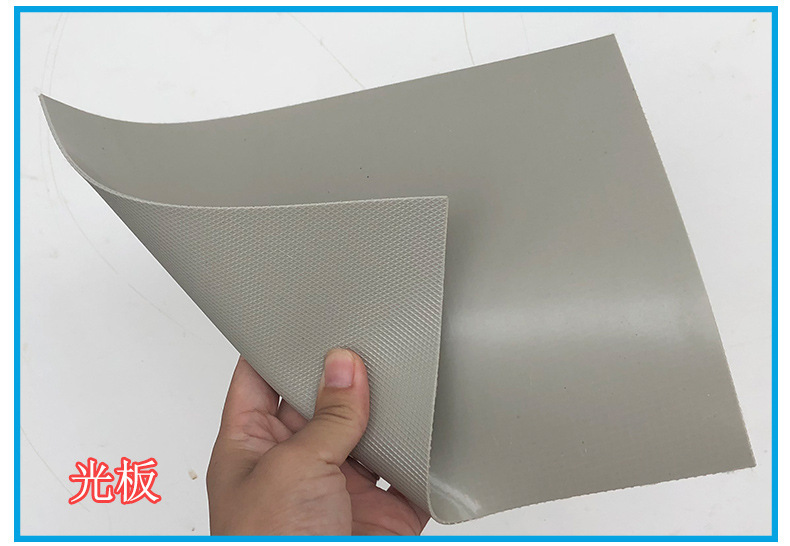
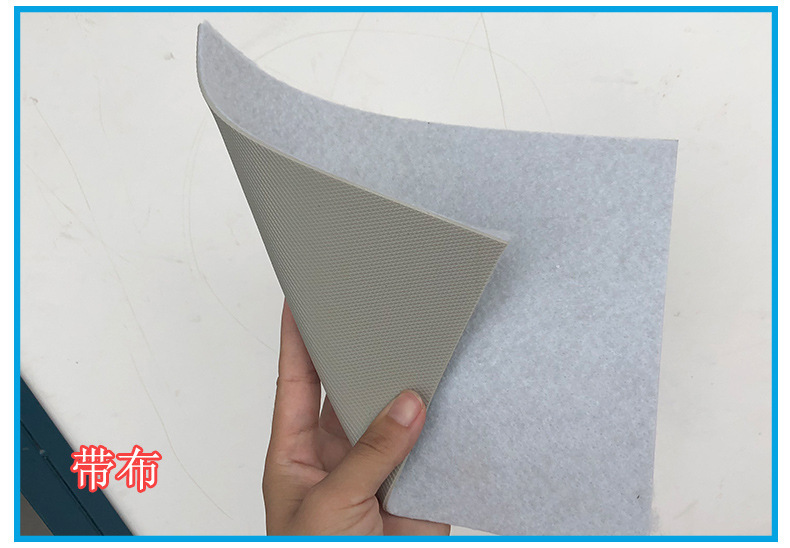
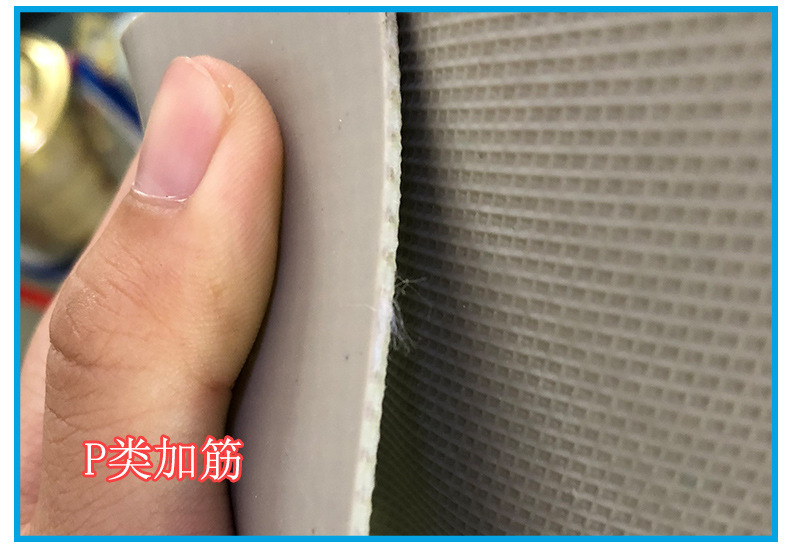
Construction Techniques:
PVC sheets generally use cold bonding method, open laying method, mechanical fixation method, and sometimes a unique hot air welding process. For complex waterproofing areas, specialized PVC custom components are used for construction.
1. Cold Adhesion Method
The construction method where specialized adhesive for PVC rolls is used, and the rolls are attached to the base layer via cold bonding, is called the cold bonding method.
Depending on the waterproof design requirements, the cold bonding method can be divided into full bonding or local bonding methods.
(1) The full adhesion method is a construction technique where the PVC sheets are fully bonded to the base layer.
1) During construction, pre-laying must be carried out first. The PVC rolls should be laid flat on the surface of the marked base (without bonding yet), ensuring it is smooth and straight, without any twisting.
2) The longitudinal lap width of the rolls is 50 mm, and appropriate cutting is required. In the transverse direction, a butt joint method is used, covered with PVC rolls of 200–250 mm width without a composite layer (Class N) for welding.
3) Fold half of the long edges of one or more rolls (about 10 m) each. Apply special adhesive to both the base layer and the roll surface at the folded areas. Once the adhesive dries enough to be non-stick, seal the pre-laid rolls together and press them firmly with a pressing roller. Then fold the unfolded parts back up and repeat the process at the folded areas as described earlier. Continue this process until the joints are firmly bonded and pressed. Finally, carry out welding operations on the seams.
(2) Local application of rolls. When applying PVC rolls, the rolls and the base layer are attached to the base layer using point bonding or strip bonding methods.
Adhesion points: Point-like adhesion between the membrane and the base layer. No less than 5 adhesion points per square meter, with each point being 100mm × 100mm in size.
Adhesion strip: The rolls and the base layer are bonded in strip form. Each roll must have at least two bonding surfaces with the base layer, and the width of each strip must be no less than 150 mm.
2. Empty Laying Method
In the process of laying PVC waterproof membranes, the membranes and the base layer are bonded only within a specified width around the entire waterproof layer; the rest of the areas are not bonded. The construction method for the flat-laying technique is as follows:
Base leveling and cleaning, wire placement and material preparation, pre-lay of material, joint lap welding, treatment of special areas, fixation and edge pressing, sealing material application, and inspection.
First, the membrane material is pre-laid using the full adhesion method, with a longitudinal lap width of 50 mm. Second, only the surrounding areas of the overall waterproofing system are covered with full adhesion, and the lap joints are welded. Horizontally, butt joint treatment is used, and a 200–250 mm wide non-composite-layer (Class N) PVC membrane is applied over the lap area for welding.
3. Mechanical Fixing Method
The construction method involves using mechanical fastening components to connect the roll material to the base layer.
(1) During construction, pre-laying is performed first, following the full adhesion method. The longitudinal lap width is 100 mm, of which 50 mm is used for fixing elements. The fixing elements must pass through the insulation layer and be fixed on top of the structural layer.
(2) According to the fixed spacing determined by design and calculation, drill holes using an impact drill; the hole diameter should be slightly smaller than the outer diameter of the fixing screws. Place the fixing components in position and tighten them with an electric screwdriver, then proceed with the operation in a sequential cycle. Welding shall be performed on each lap joint; transverse joints should be joined by butt welding, and the lap joints shall be covered with 200–2500 mm wide non-composite layer (Class N) rolls for welding.
Welding process for PVC rolls
The longitudinal lap width between PVC rolls is 50 mm, and the transverse width is 100 mm. When using welding technology, the welding nozzle should be at a 45° angle to the welding direction. The pressing roller should be parallel to the nozzle, maintaining a distance of approximately 5 mm, and the rolling process should not be too fast.
Use a small welding nozzle with a diameter of 20 mm for welding; typically, two passes are required. The welding temperature should be set to level 6, and the effective width for each pass is 15 mm to 20 mm.
The welding should be performed using a large welding tip with a width of 40 mm. The welding temperature should be set to level 7, and the effective welding width is 25 mm.
Welding requirements: A preliminary weld should be performed before actual welding. The width should not be too large, so that the hot air during welding does not overflow and affect the welding quality. There should be molten pool overflow at the welding edges, but no scorching should occur.
Regarding the effective welding width, it refers to the distance from the peel zone of the material to the edge of the molten pool. Ensuring the effective welding width is one of the main indicators for checking the welding quality.
Update time:


TOP