Search history
Clear allSearch by image
XDrag and drop an image here or upload an image
Max 5MB per image
UploadSign In | Join

Search history
Clear allSearch by image
XDrag and drop an image here or upload an image
Max 5MB per image
UploadSign In | Join
XIN HONG Materials Co,.Ltd. 12yr.
Contacts Mr LI Chat
Mobile 18066212379
LBSbxg

WhatsApp wechat:LBSbxg
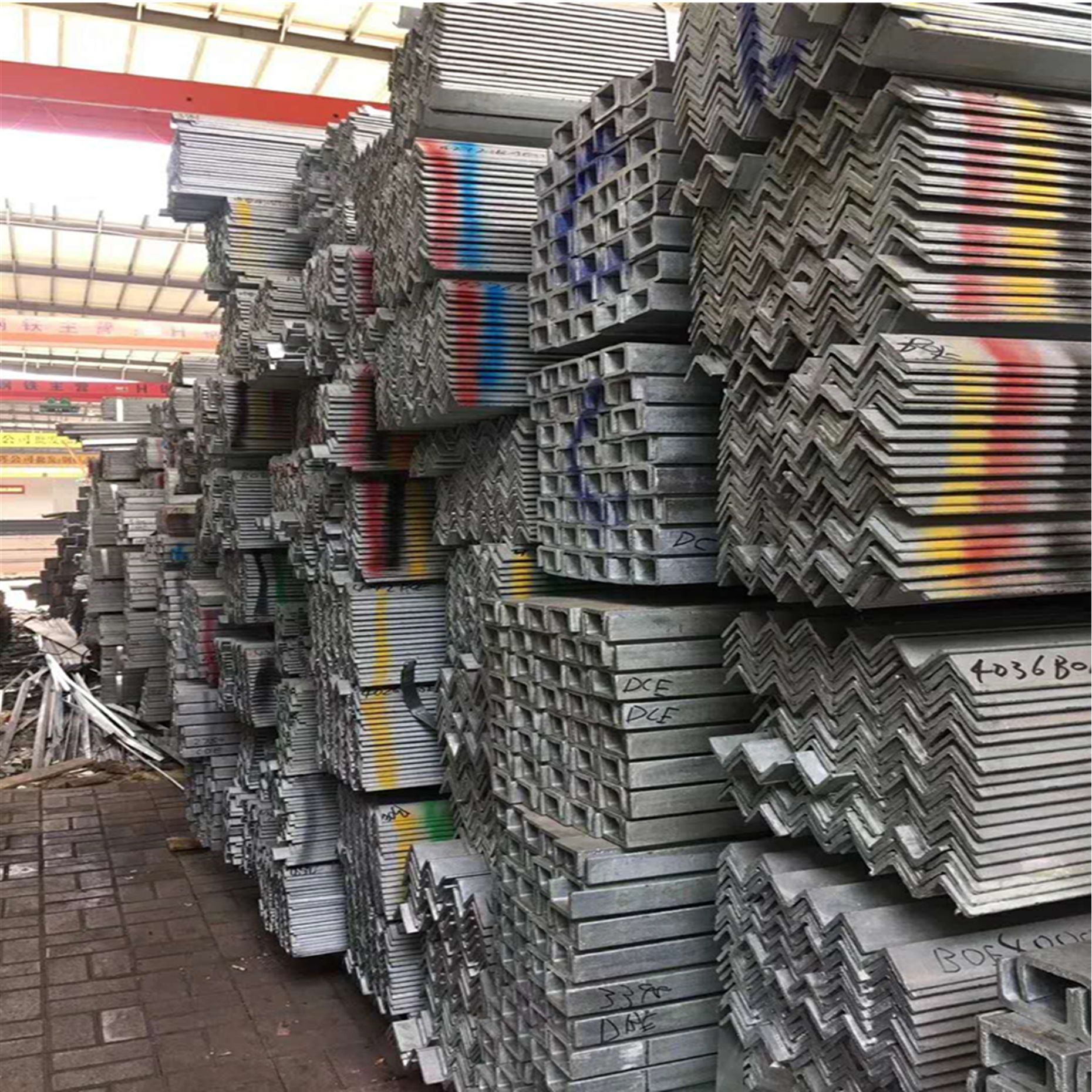
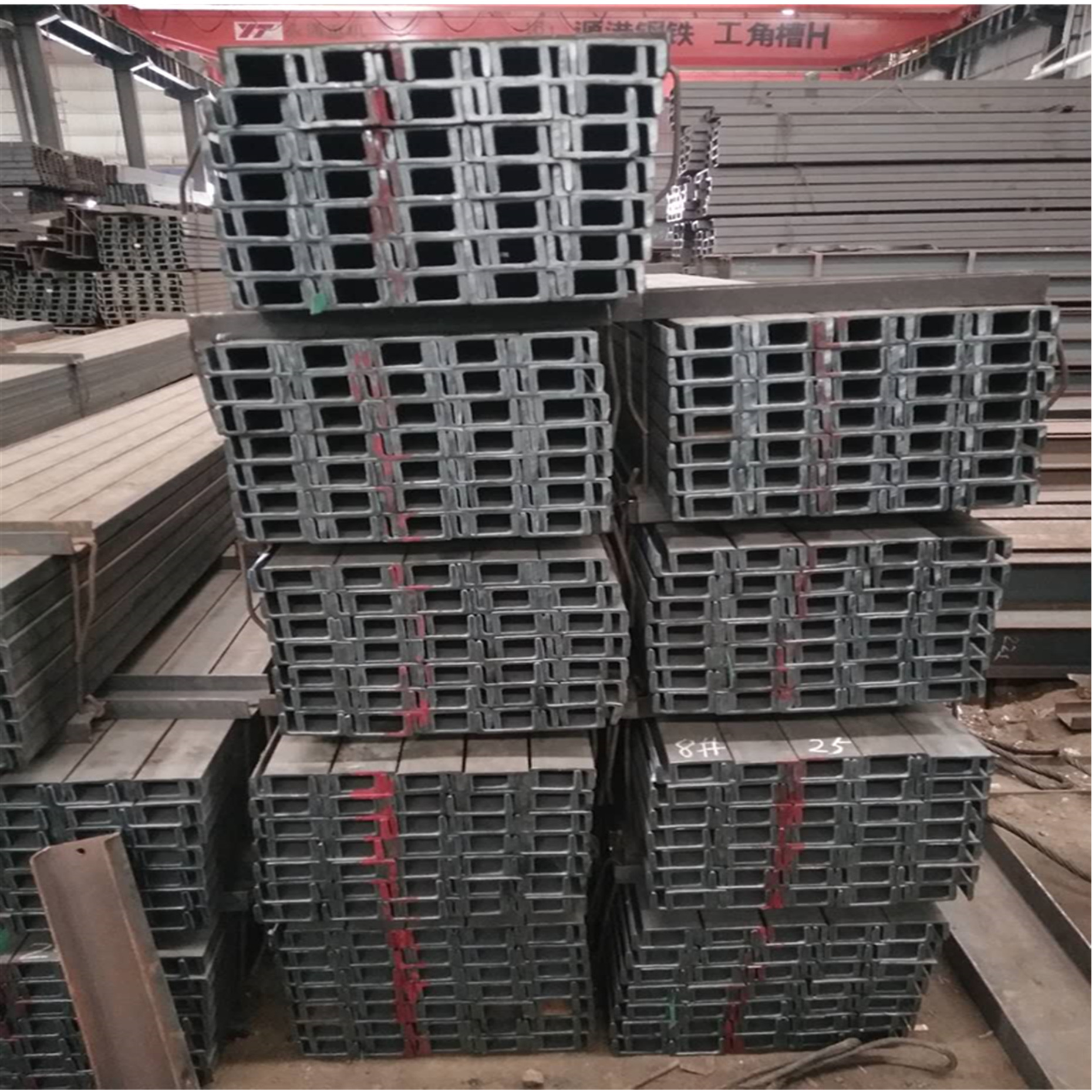
Steel channel is a long strip with a groove-shaped cross-sectionSteel. I-beams are carbon structural steels used for construction and machinery. They are section steel with complex cross-sections, and their cross-section is槽-shaped. I-beams are primarily used in building structures, curtain wall projects, machinery and vehicle manufacturing, etc. In use, they are required to have good welding, riveting properties, and comprehensive mechanical properties.The raw steel billet used for producing channel steel has a carbon content not exceeding0.25%Carbon steel or low-alloy steel billets. The finished channel steel is delivered in a hot-formed, normalized, or hot-rolled state.
I-beam is also known as steel beam (English nameI Beam), has a I-beam cross-sectionsteel. I-beams are divided into standard I-beams and lightweight I-beams.HThree types of section steel. I-beams are widely used in various building structures.bridgevehicles, brackets, machinery, etc.
HSteel sections are efficient profiles with a more optimized cross-sectional area distribution and a more reasonable strength-to-weight ratio, as their cross-section resembles the English alphabet“H”Named based on similarity. Due toHAll parts of the section steel are arranged at right angles, thereforeHSteel sections offer advantages such as strong bending resistance, easy construction, cost savings, and light structural weight, and have been widely used.
The cross-section shape is similar to that of the capital Latin letter H, and it is an economic cross-sectional profile also known as universal steel beam, wide-edge I-beam, or parallel-flange I-beam. The cross-section of H-beam typically includes a web plate and flange plates, also referred to as the waist and edge parts. Due to these advantages, H-beam is widely used, mainly in: various civil and industrial building structures; large-span industrial factories and modern high-rise buildings, especially in areas with frequent earthquakes and under high-temperature working conditions; large bridges requiring high load-bearing capacity, good cross-sectional stability, and large spans; heavy machinery; highways; ship hulls; mine support structures; foundation treatment and dam projects; various machine components.
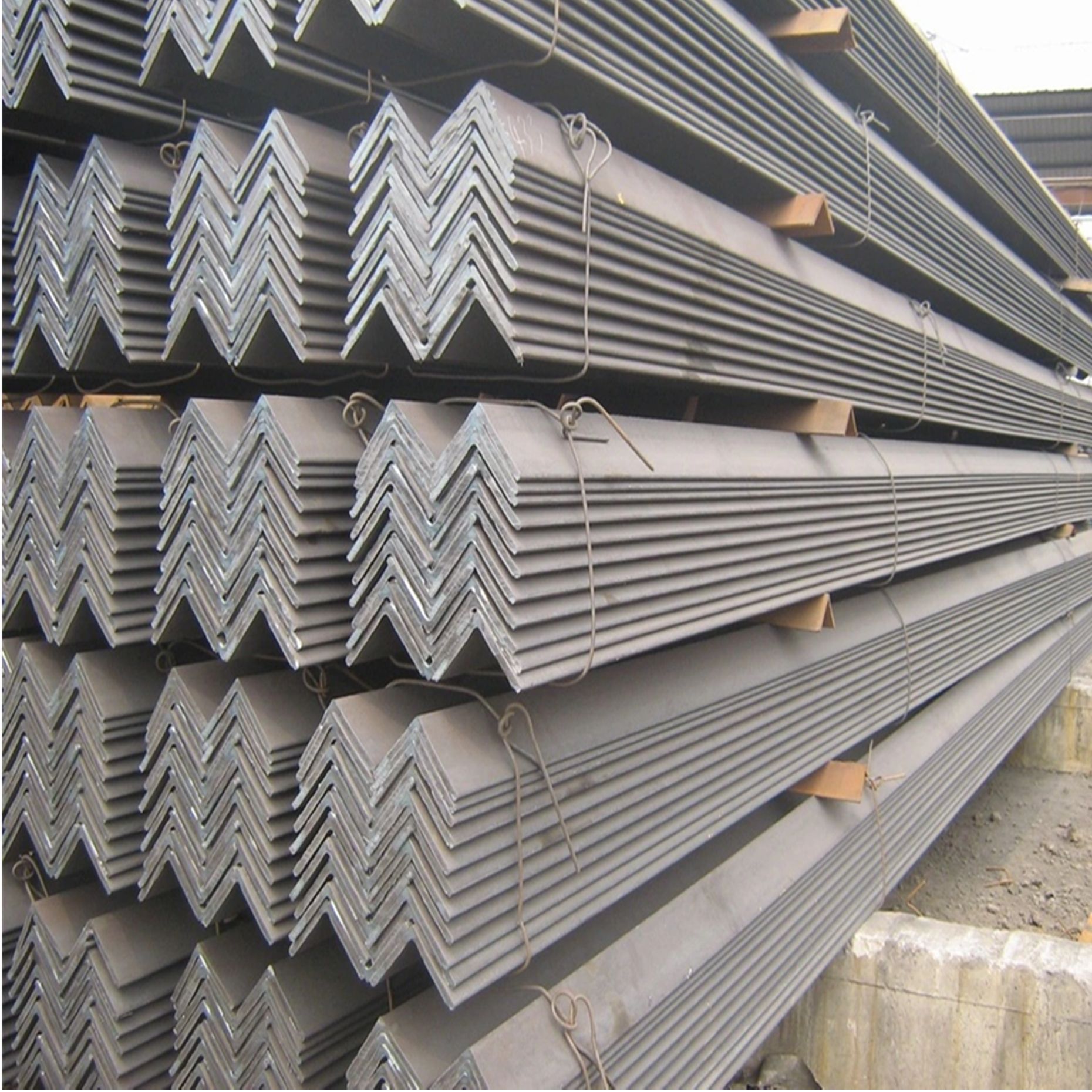
Steel angles, commonly known as angle bars, are long strips of metal with perpendicular cross-sections at right angles. Steel angles are divided into equilateral and isosceles types: equilateral angles have equal lengths for both perpendicular sides, while isosceles angles have one longer and one shorter side. Their specifications are indicated by the width × width × thickness in millimeters. The main uses of steel angles include: manufacturing frame structures such as towers for high-voltage power transmission, frames on both sides of steel bridge main beams, columns and arms for tower cranes on construction sites, as well as columns and beams in workshops. Smaller applications include shelves for flower pots along roadside during festivals or supports for air conditioners and solar panels under windows.
I-beams are mainly divided into ordinary I-beams, lightweight I-beams, and wide-flange I-beams. Based on the ratio of flange to web height, they are further categorized into wide-width, medium-width, and narrow-width wide-flange I-beams. The first two types are produced in sizes ranging from 10 to 60, meaning their corresponding heights are 10 cm to 60 cm. At the same height, lightweight I-beams have a narrower flange, thinner web, and lower weight. Wide-flange I-beams, also known as H-beams, feature a parallel cross-section with no slope on the inner side of the legs. They belong to economic cross-section steel products and are rolled on four-roll universal rolling mills, which is why they are also called “universal I-beams”. Ordinary and lightweight I-beams have already been standardized by national standards.
Description of the main products of ship-grade angle steel: Due to the harsh working environment on ships, ship-grade angle steel is required to have good toughness, high strength, excellent corrosion resistance, welding performance, and surface properties. The chemical composition of this material is also different from that of ordinary angle iron. Its primary uses include: mainly for internal components of the hull, etc. Ball flat steel is a major profile used in shipbuilding and bridge construction, among which ship-grade ball flat steel is an auxiliary medium-sized profile for shipbuilding. L-shaped steel, also known as non-equilateral and non-uniform thickness angle steel, is a new type of profile produced to meet the needs of large-scale ship construction. In addition to being used in large ships, L-shaped steel can also be applied to marine engineering structures and construction structures with higher requirements.
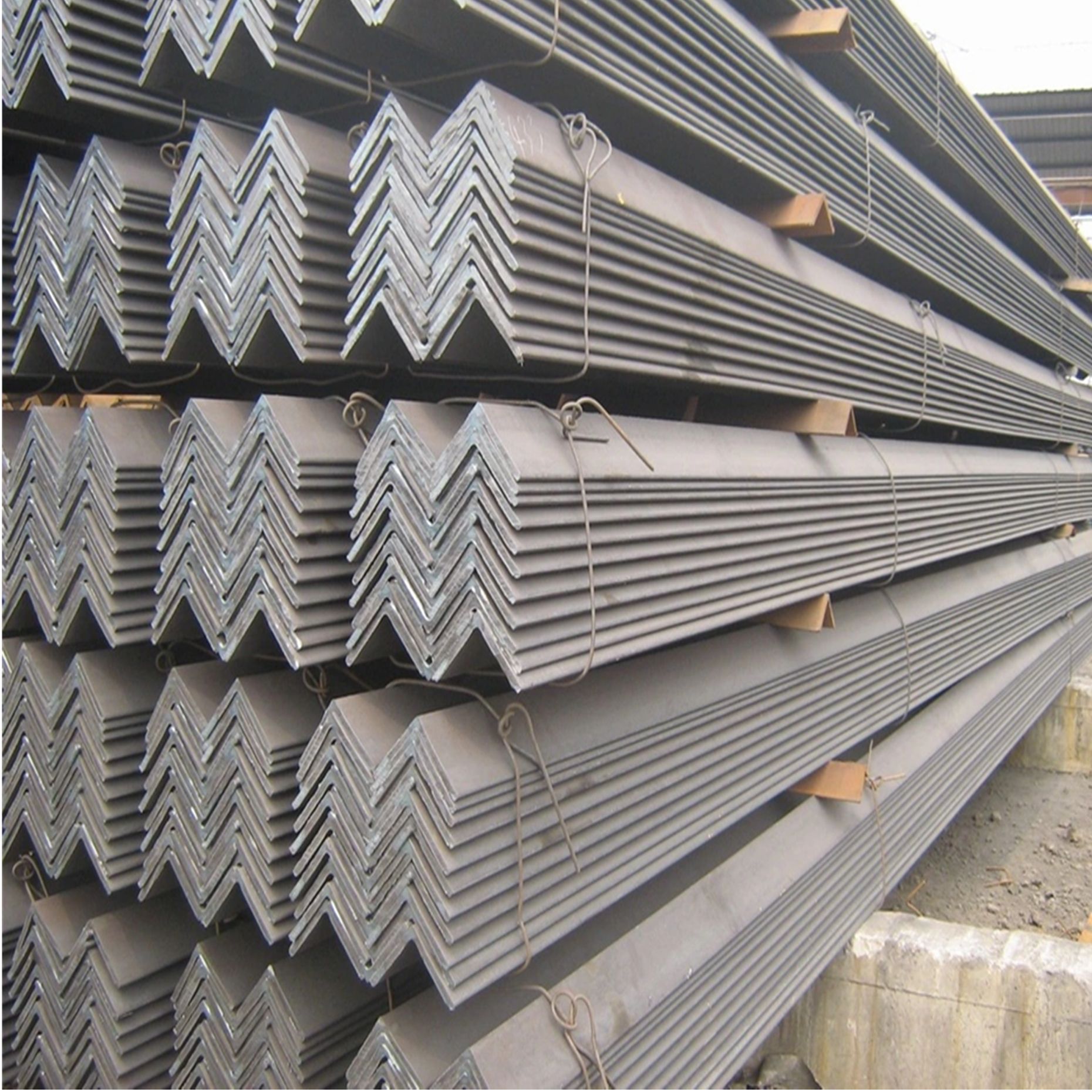
Hot galvanizing angle steel is also known as hot dip galvanizing angle steel or hot immersion zinc angle steel. It involves immersing the rust-removed angle steel in molten zinc at around 500°C, allowing a zinc layer to form on the surface of the angle steel, thereby achieving corrosion protection. It is suitable for use in various highly corrosive environments such as strong acids and alkali fumes. The cold galvanizing process is used to protect metals from corrosion by utilizing a coating with zinc fillers. This coating is applied using any application method onto the protected surface, and after drying, a zinc filler coating is formed, containing 95% zinc. It is ideal for repair work (i.e., during repairs, only where the steel surface is damaged and repaired, the coating can be reapplied). The cold galvanizing process is used for corrosion protection in various steel products and structures.
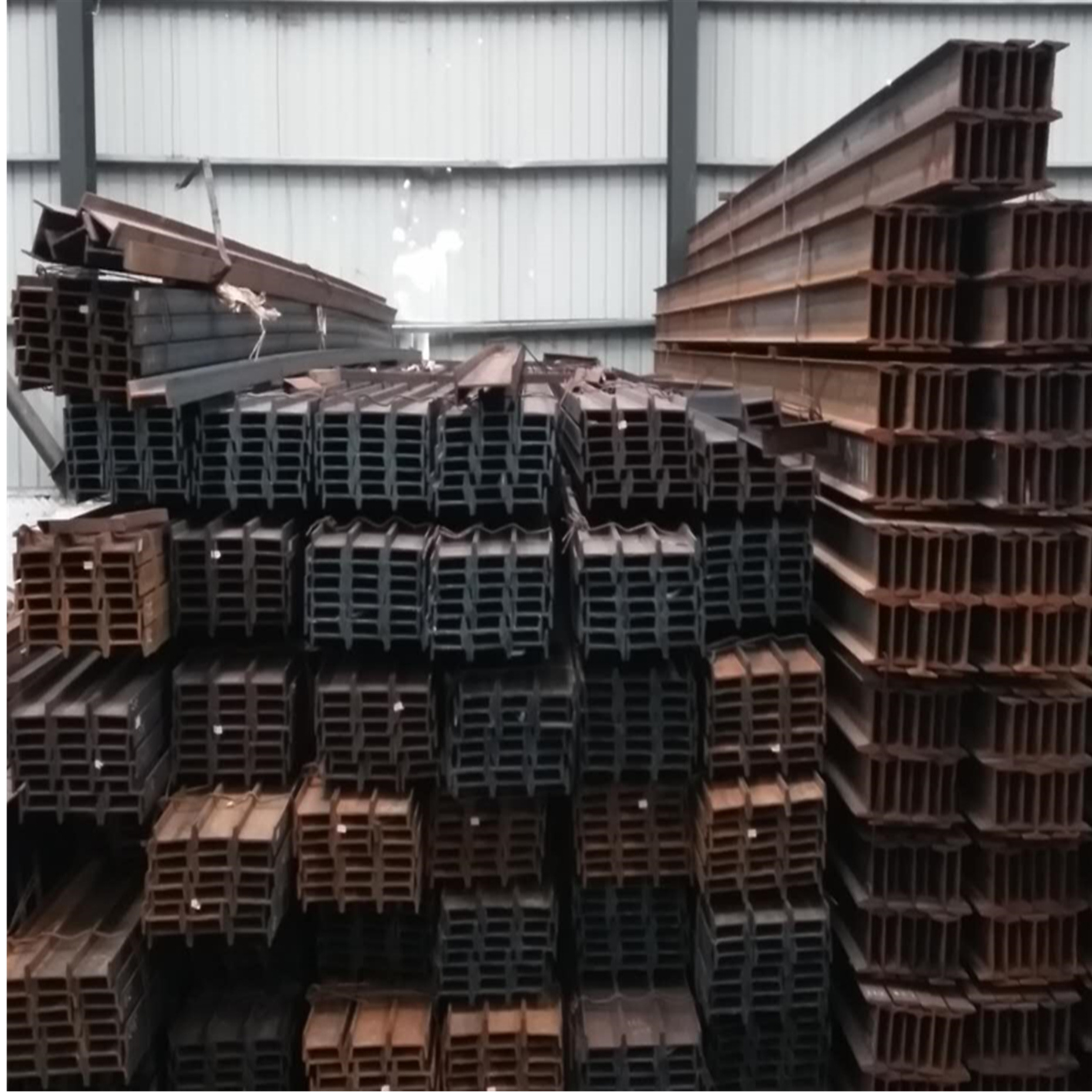
The inner and outer sides of the flange of H-beam are parallel or nearly parallel, with right angles at the ends of the flange, which is why it is also known as parallel-flange I-beam. The web thickness of H-beam is smaller than that of a standard I-beam with the same web thickness, and the flange width is larger than that of a standard I-beam with the same web thickness. Hence, it is also called wide-flange I-beam. Due to its shape, the cross-sectional modulus, moment of inertia, and corresponding strength of H-beam are significantly better than those of a standard I-beam of the same weight. Used in metal structures with various requirements, whether under bending moments, pressure loads, or eccentric loads, it demonstrates superior performance. It can greatly increase load-bearing capacity compared to standard I-beams, saving 10%–40% of metal material. The wide flange, thin web, diverse specifications, and flexible usage of H-beam allow it to be used in various truss structures, saving 15%–20% of metal material. Because the inner and outer sides of its flange are parallel and the ends are at right angles, it is easy to assemble into various components, thereby saving approximately 25% of welding and riveting work, significantly accelerating construction speed and reducing project duration.
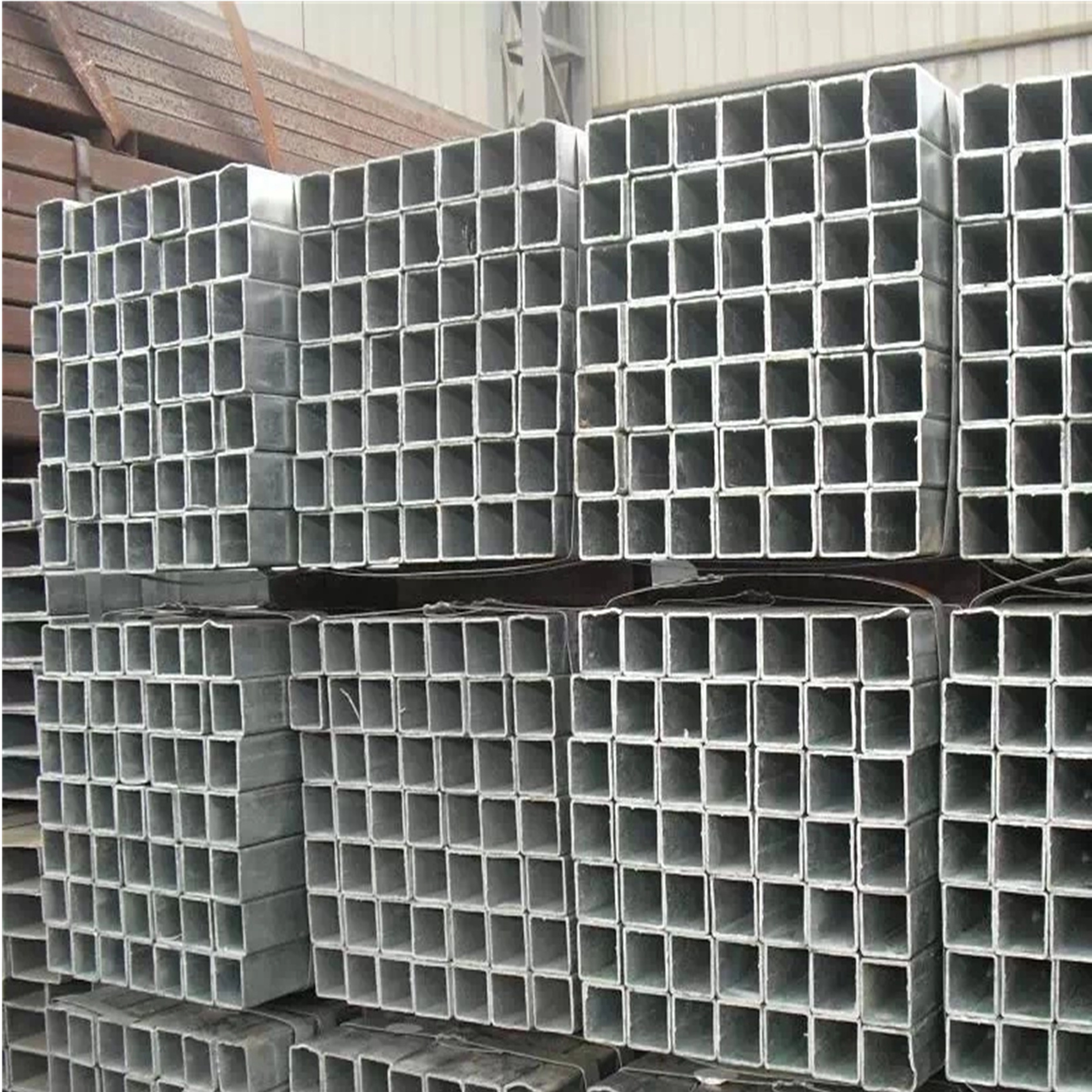
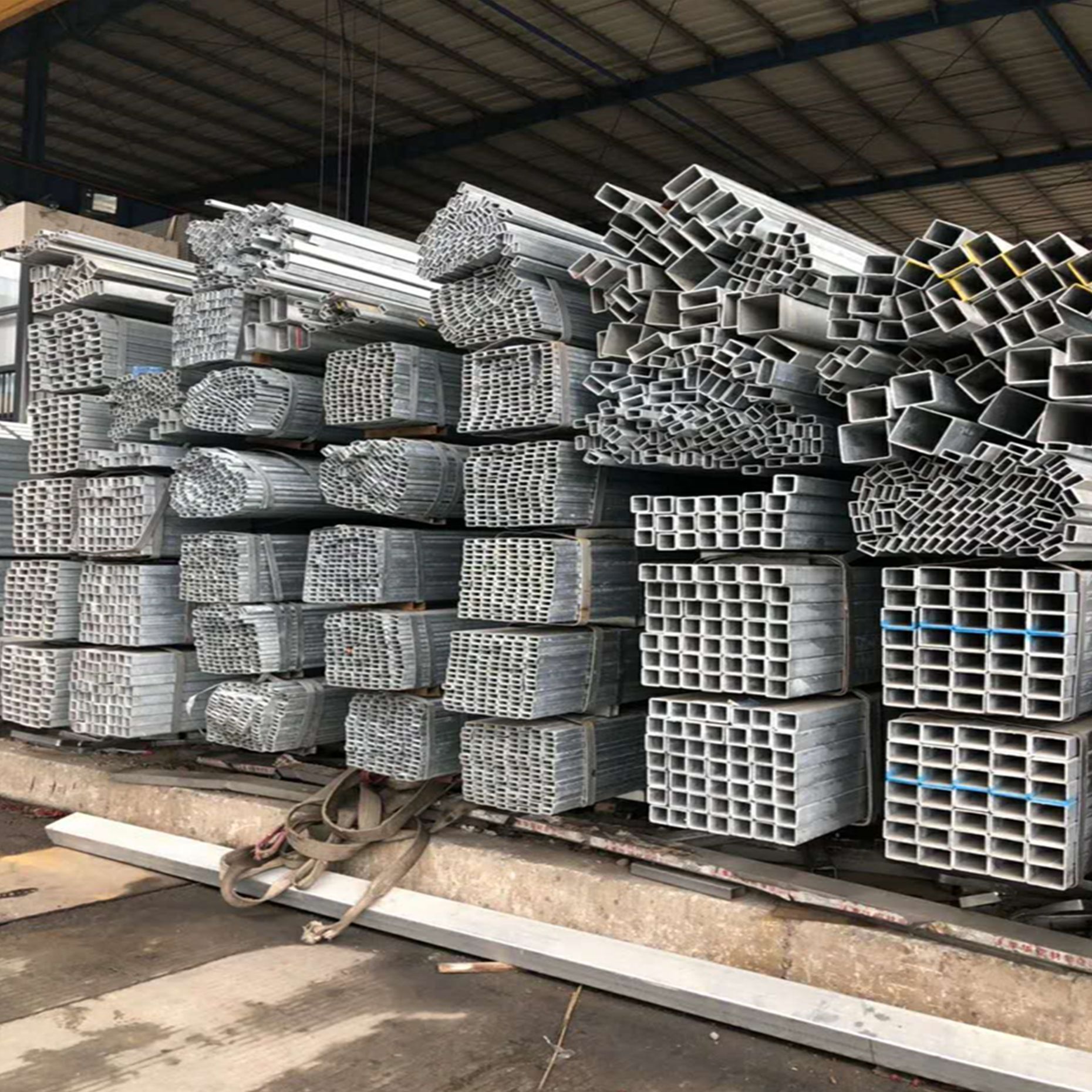
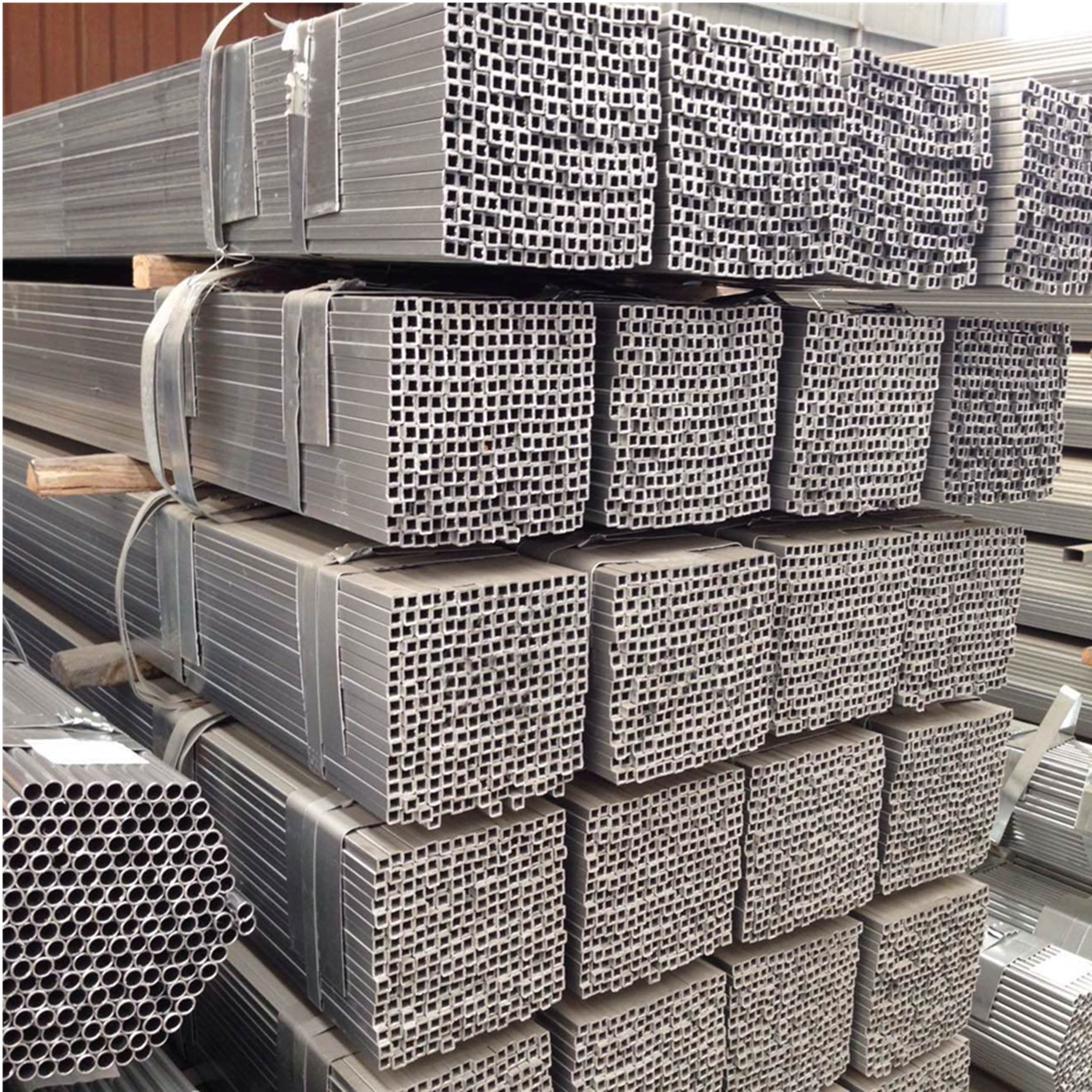
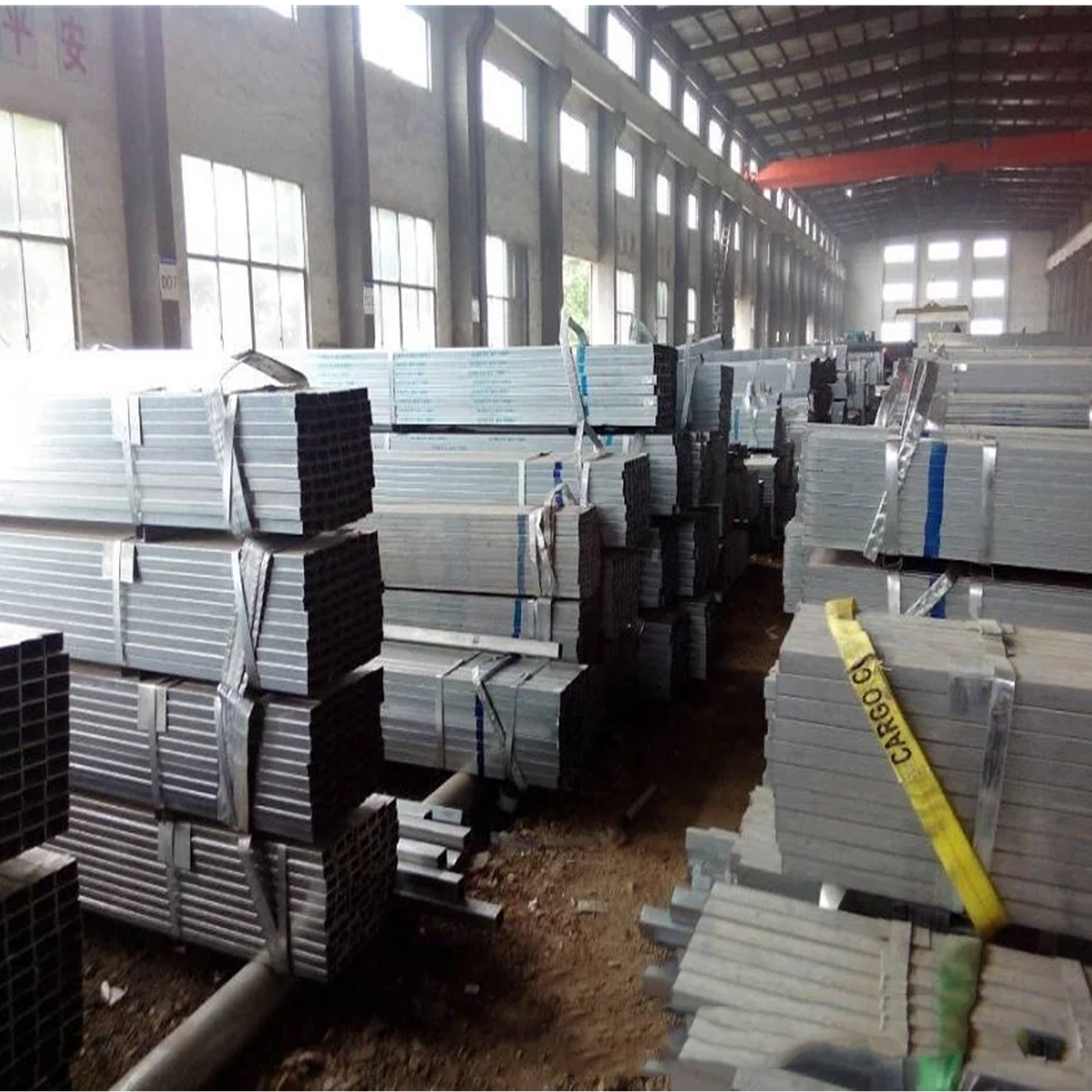
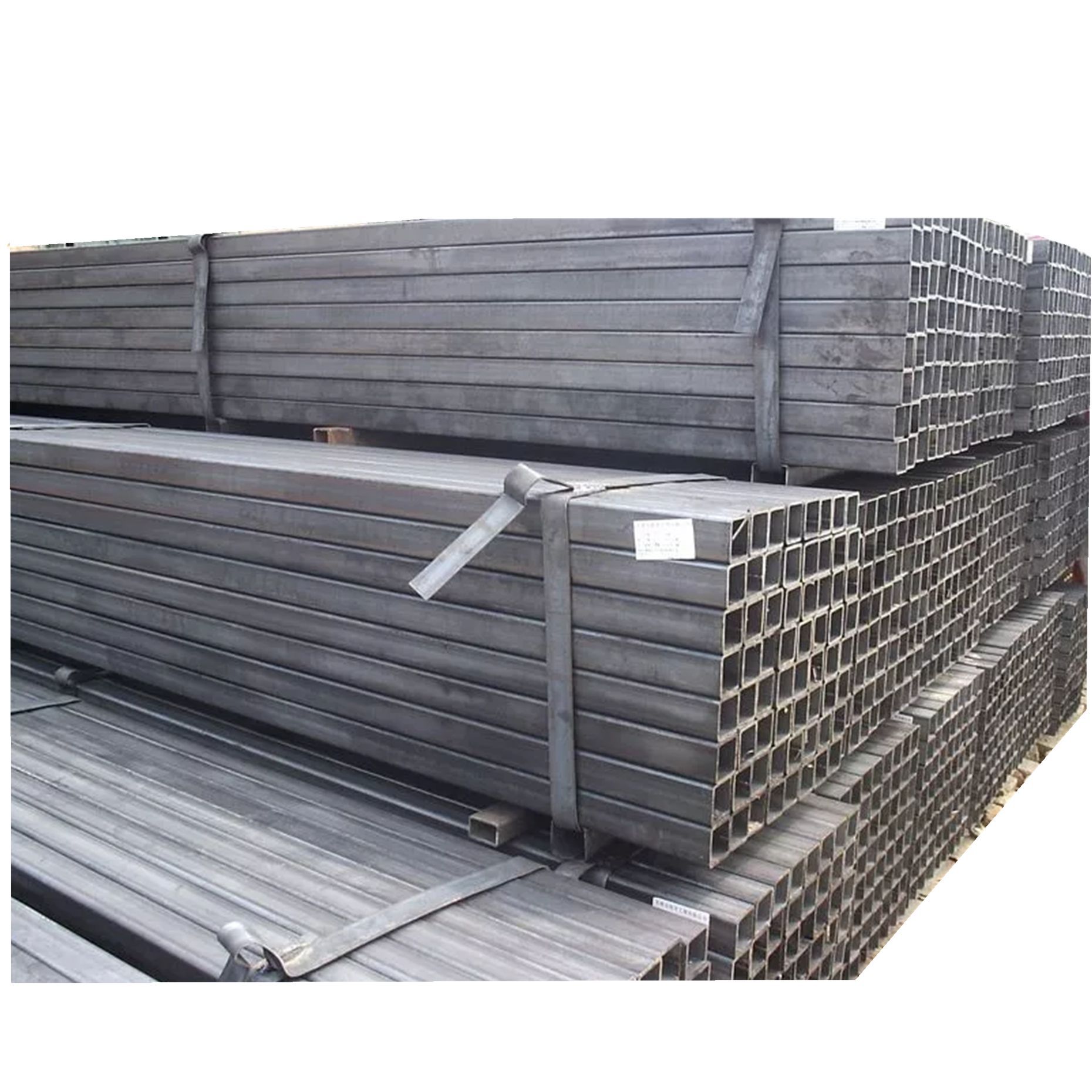
Our company primarily deals in the sale of various steel products, including hot-rolled thin plates, medium and thick steel plates, various structural steels, channel steel, angle steel, I-beam steel, H-beam steel, rail steel, patterned plates, square pipes, and construction grid pipes. We are a large-scale steel distribution and trading enterprise with cross-regional and cross-industry operations, featuring formal and diversified management. Through the hard work and dedication of all employees, we have gained a certain influence in the steel trade sector. We have established good cooperative relationships with several major domestic steel companies, such as Shao Gang, Liu Gang, Lai Gang, Ma Gang, Zhu Gang, Rizhao, Tang Gang, Guang Gang, and An Gang, and have been designated as trading distributors by these steel mills.
Since its establishment, the company has adhered to the principle of "excellent quality, honest service, and customer first". Its products are sold in developed regions such as Guangzhou, Dongguan, Shenzhen, Huizhou, Zhuhai, Zhongshan, and Chaoshan in the Pearl River Delta, and have also expanded to surrounding provinces like Guangxi and Hunan. Now, it has become the preferred steel material supplier for steel structure companies, subway, tunnel, street lighting, municipal construction firms, and steel market vendors.
The company has outstanding reputation. Adhering to the principle of “honest business practices, shared development,” it has established a solid foundation for cooperation with various enterprises.
Update time:


TOP