Search history
Clear allSearch by image
XDrag and drop an image here or upload an image
Max 5MB per image
UploadSign In | Join

Search history
Clear allSearch by image
XDrag and drop an image here or upload an image
Max 5MB per image
UploadSign In | Join
XIN HONG Materials Co,.Ltd. 12yr.
Contacts Mr LI Chat
Mobile 18066212379
LBSbxg

WhatsApp wechat:LBSbxg
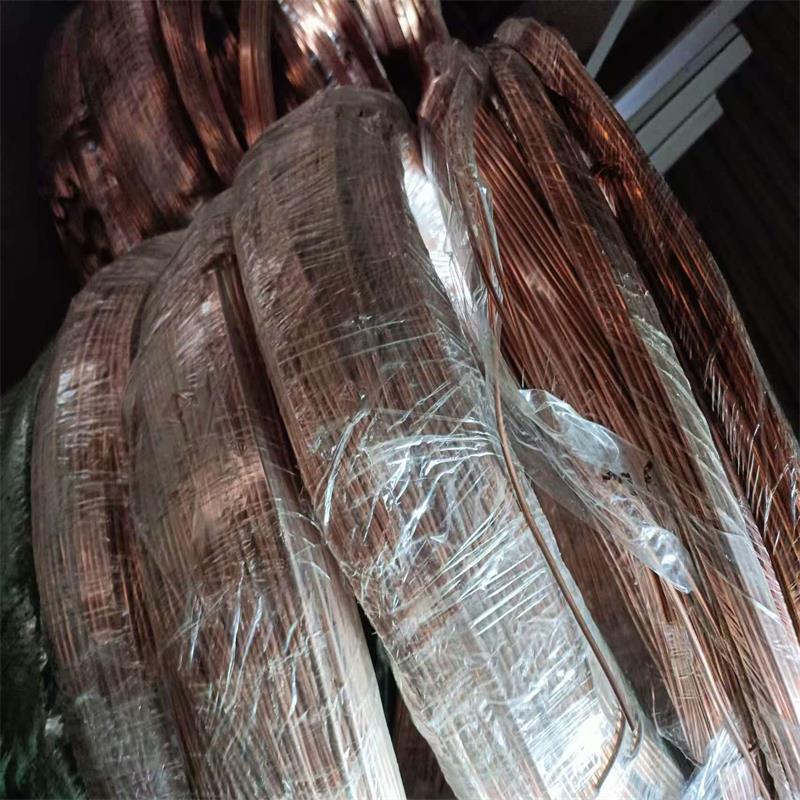
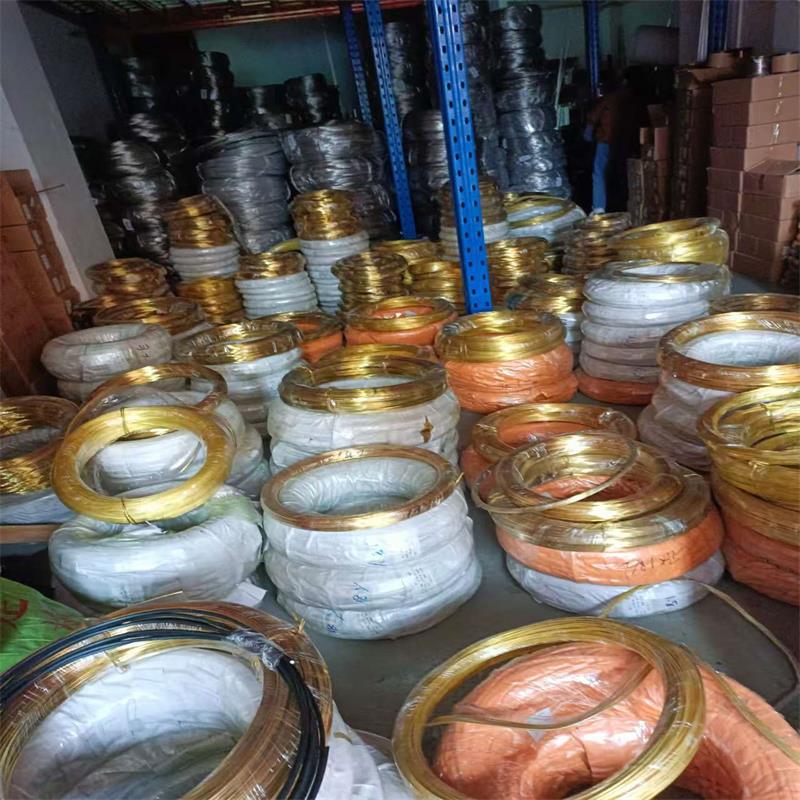
Introduction to brass wire: Brass wire is widely used in electrical wires, processing of electronic hardware parts, cold heading rivets and screws; aerospace electronics components, telecommunications devices, connector riveting performance, decorations, wire embedding fishing lines, turning, stamping and bending pipes, and other fields.
Brass wire not only possesses excellent mechanical properties, but also has very good electrical conductivity. It exhibits good plasticity at high temperatures and acceptable plasticity at low temperatures. It is easy to cut, suitable for fiber welding and welding processes, resistant to corrosion, and additionally inexpensive. It is a widely used common brass variety. With good mechanical properties, it can withstand both hot and cold processing. Additionally, brass wire is divided into several types based on different properties, such as H85, H80, H70, H68, H65, H62, H59, H90, H95, C3604, and so on.
The materials sold by our company are all national standard eco-friendly materials, and special specifications can be customized. To save your procurement time, please inform our customer service of the material grade, specifications, tolerances, and processing method you require.
The company can issue 13% value-added tax invoices to customers. The processing services provided by the manufacturer include: flattening wires, tin plating, straightening, cutting, drilling, bending, chamfering, embossing, and packaging.

H65 brass wire can be used for various deep drawing and bending processes to manufacture load-bearing components, such as conduits, screens, and radiator parts. It offers excellent mechanical properties, good machinability, easy fiber welding and soldering, corrosion resistance, and wide applications. For standard screw products, H62 brass wire is recommended; for products requiring high precision and high deformation, H65 and H68 brass wires are preferred.
H70 brass has excellent electrical conductivity, but is prone to bending. It is widely used in the production of wires, cables, brushes, etc.; it also has good thermal conductivity and is often employed in manufacturing magnetic interference-resistant scientific instruments and devices, such as compasses and aviation instruments; it possesses excellent plasticity, making it easy to process by hot pressing or cold pressing, and can be turned into tubes, rods, wires, strips, bands, plates, and foils. Pure copper products include both smelted and processed items.
The wire diameters are 0.1, 0.2, 0.3, 0.4, 0.5, 0.6, 0.7, 0.8, 1.0, 1.5, 2.0, 2.5, 3.0, 3.2, and 3.5 mm, as well as 4–8 mm


Update time:


TOP