Search history
Clear allSearch by image
XDrag and drop an image here or upload an image
Max 5MB per image
UploadSign In | Join

Search history
Clear allSearch by image
XDrag and drop an image here or upload an image
Max 5MB per image
UploadSign In | Join
XIN HONG Materials Co,.Ltd. 12yr.
Contacts Mr LI Chat
Mobile 18066212379
LBSbxg

WhatsApp wechat:LBSbxg


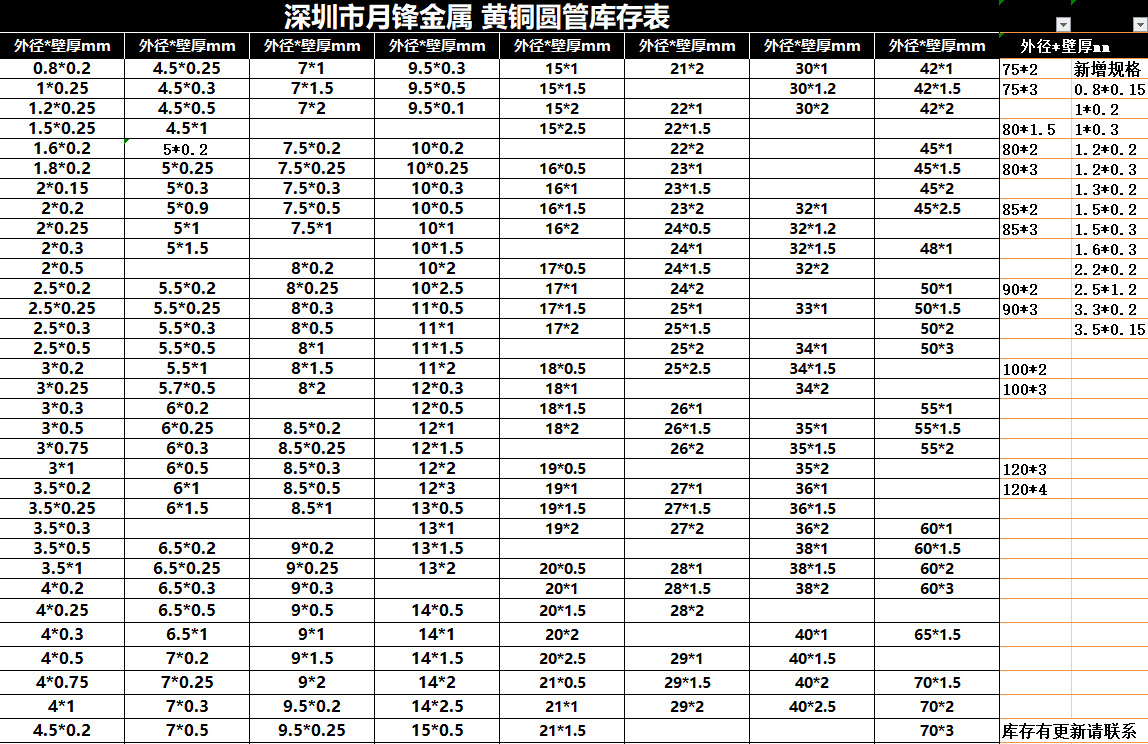
Specification Table
Specification Table


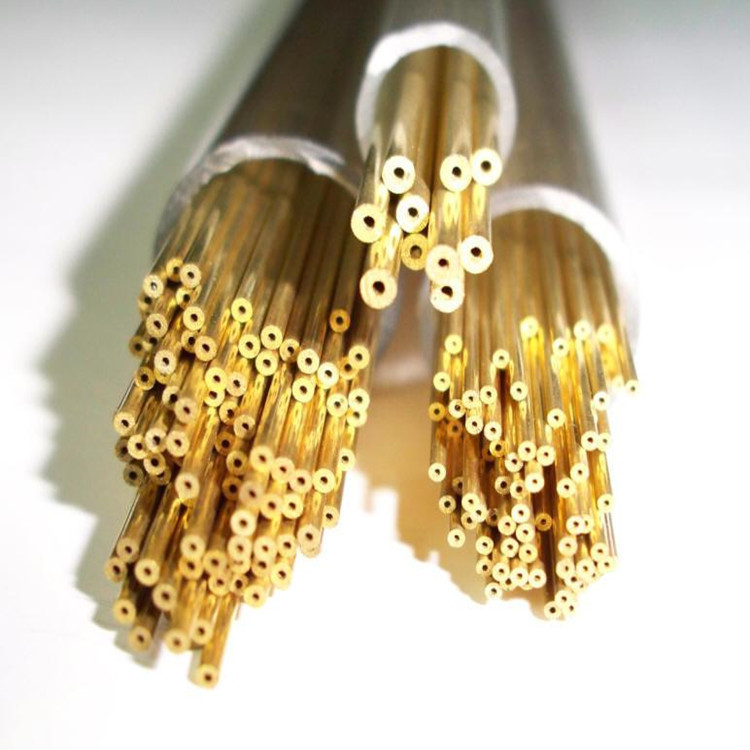

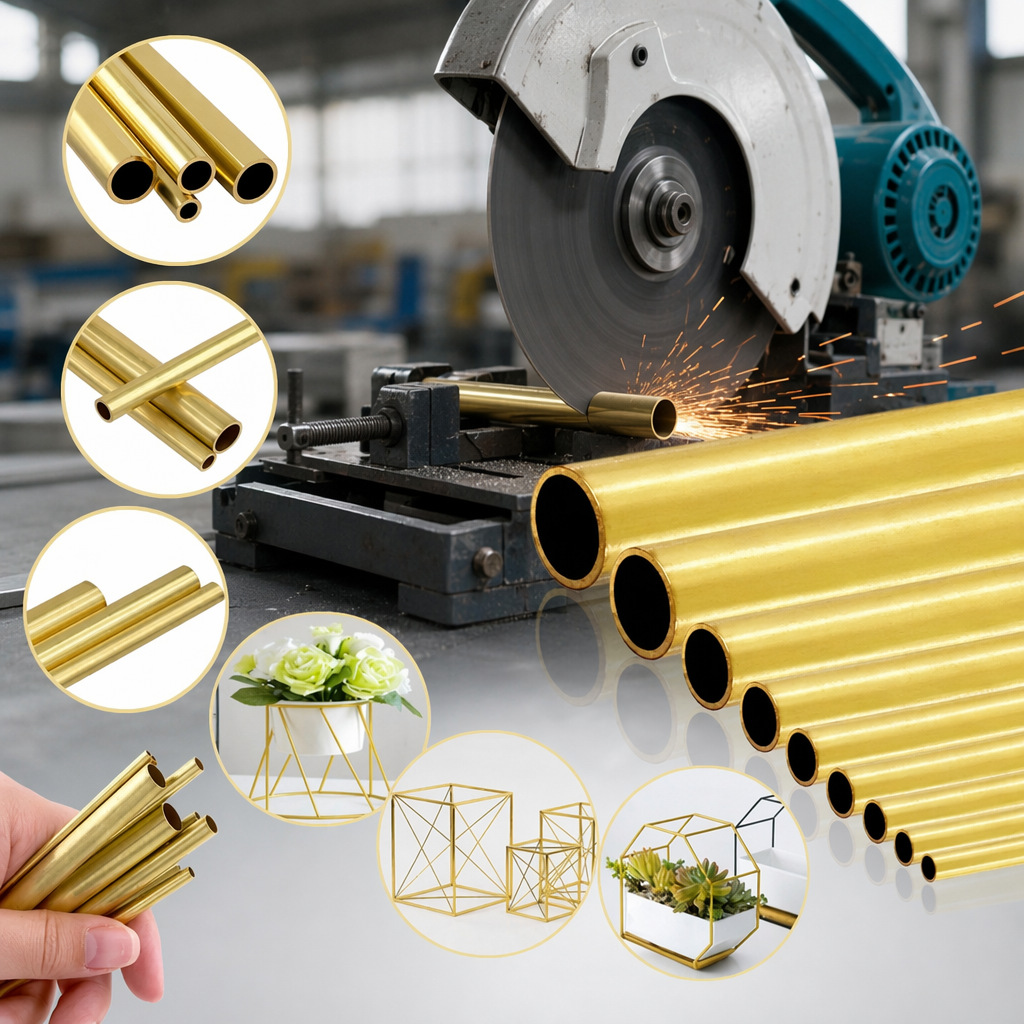
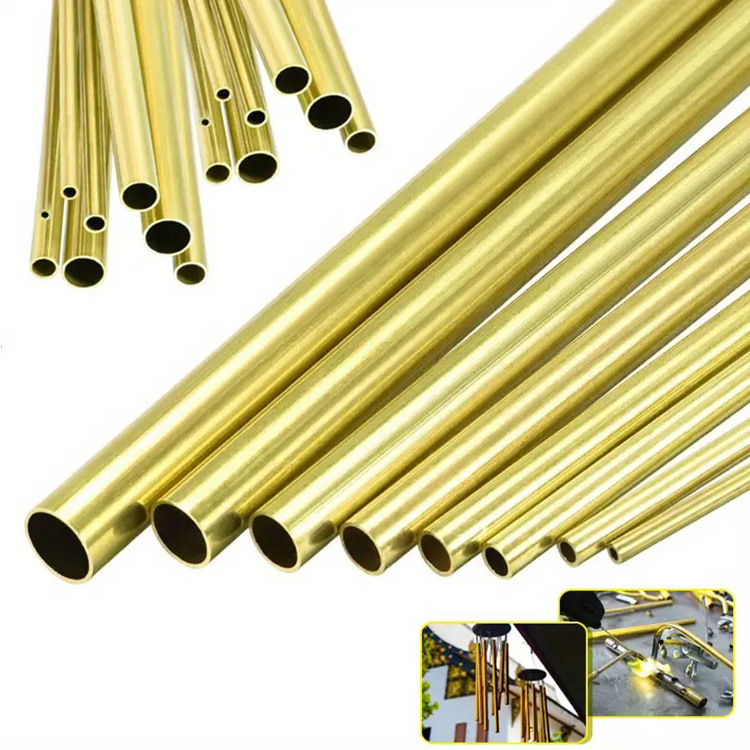
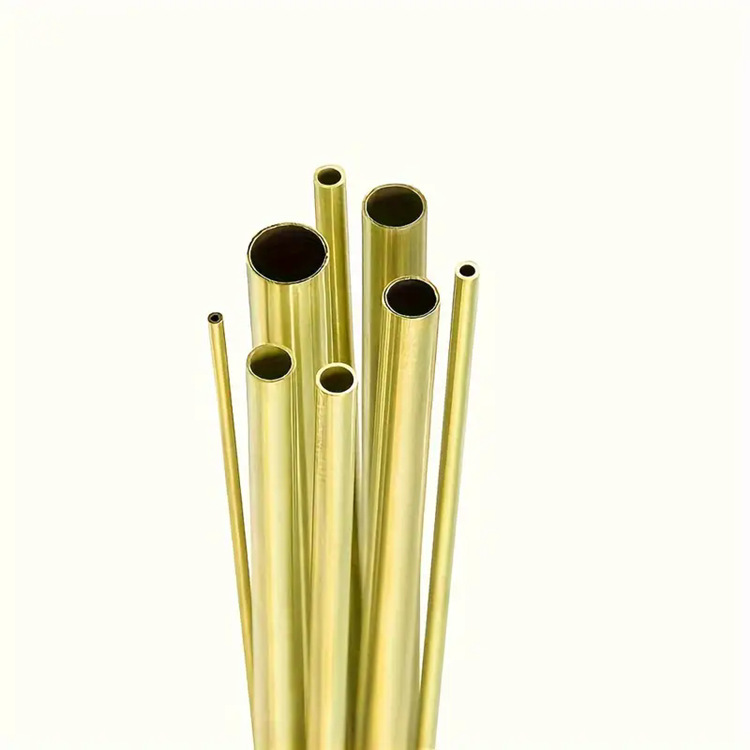
Precision cutting for any size
Precision cutting for any size
Various special-shaped pipes
All kinds of special-shaped tubes
Bore expansion, branding, internal and external threads, internal and external chamfers
Internal and external chamfering of internal and external threads
Bending, drilling, supports various processing methods
Bending punching support for various processing applications
Purpose
Used for manufacturing precision instruments, ship parts, gongs, drums, musical instruments, etc.
chemical composition
Copper Cu: 6.8~7.15
Lead Pb: <0.03
Boron P: <0.01
Iron Fe: <0.10
Antimony Sb: <0.005
Bismuth Bi: <0.002
Mechanical properties
Tensile strength MPa: 340~460
Stretch ratio > 2.5
Hardness: 85~145HV
Features
Copper alloys are formed by adding certain alloy elements (such as zinc, tin, aluminum, beryllium, manganese, silicon, nickel, phosphorus, etc.) to pure copper. Copper alloys possess excellent electrical conductivity, thermal conductivity, and corrosion resistance, along with high strength and wear resistance.
(1) Copper has good physical and chemical properties;
(2) Pure copper has excellent electrical conductivity and thermal conductivity, and many copper alloys also possess good electrical and thermal properties;
(3) Copper and copper alloys also have high corrosion resistance against air and water;
(4) Copper is a diamagnetic substance;
(5) It has excellent processing properties;
(6) Copper and certain copper alloys have good plasticity, making them easy to form cold and hot.
(7) Cast copper alloys possess excellent casting properties and certain special mechanical properties.
The multi-element alloy composed of ordinary brass with the addition of other alloying elements is called brass. Common elements added include lead, tin, and aluminum, and accordingly, it can be referred to as lead brass, tin brass, or aluminum brass. The purpose of adding alloying elements is mainly to increase tensile strength and improve processability.
Code Name: Represented by “H + main additive element symbol (except zinc) + copper mass fraction + main additive element mass fraction + other element mass fraction”.
Such as: HPb5_9-1 indicates that the mass fraction of copper is 59%, the mass fraction of the main additive element lead is 1%, and the remainder is zinc—this is lead brass.
C2600BE-F Brass Rod C2700BD-O Brass Bar C2800BD-1/2H Brass Strip _ Performance and Applications
The α and β phases in special brass are complex multivalent solid solutions, which provide strong strengthening effects, whereas in ordinary brass, the α and β phases are simple Cu-Zn solid solutions with low strengthening. Although the zinc equivalent is similar, the properties of multivalent solid solutions differ from those of simple binary solid solutions. Therefore, a small amount of multivalent strengthening is a way to improve the performance of alloys.
Lead brass
Lead actually does not dissolve in brass; it exists as free particles distributed at the grain boundaries. Lead-brass is divided into two types based on its structure: α and (α+β). Due to the significant harmful effects of lead and low plasticity at high temperatures, α-lead brass can only be deformed coldly or extruded hotly. (α+β) lead-brass, however, possesses good plasticity at high temperatures and can be forged.
Tin brass
Tin brass
Adding tin to brass significantly improves the alloy’s heat resistance and its ability to resist seawater corrosion; that is why tin-brass is known as “naval brass”.
Tin can dissolve into copper-based solid solutions, providing solid solution strengthening. However, as the tin content increases, brittle r-phase (CuZnSn compound) appears in the alloy, which hinders plastic deformation of the alloy. Therefore, the tin content in brass typically ranges from 0.5% to 1.5%.
Common tin brass grades include HSn7₀-1, HSn6₂-1, and HSn6₀-1. The former is an α alloy with high plasticity and can be processed by cold or hot pressure machining. The latter two grades have an (α+β) two-phase structure, often containing a small amount of r phase; their plasticity at room temperature is low, and they can only deform under heat.
Manganese brass
Manganese brass
Manganese has a high solubility in solid brass. Adding 1%–4% manganese to brass can significantly improve the alloy’s strength and corrosion resistance, without reducing its ductility.
Manganese brass has an (α+β) structure, with HMn5 8-2 being a common type; it exhibits good pressure processing properties in both cold and hot states.
Iron brass
In iron brass, iron precipitates as iron-rich particles that serve as nuclei to refine the grains and prevent recrystallized grains from growing larger, thereby enhancing the alloy's mechanical and process properties. The iron content in iron brass is typically below 1.5%, and its structure is (α+β). It possesses strength and toughness, good plasticity at high temperatures, and can deform even in a cold state. A common grade is Hfe59-1-1.
Nickel brass
Nickel brass
Nickel and copper can form a continuous solid solution, significantly expanding the α phase region. The addition of nickel to brass significantly improves its corrosion resistance in air and seawater. Nickel also increases the recrystallization temperature of brass, leading to the formation of finer grains.
HNi6₅₅-₅ nickel brass features a single-phase α structure. It possesses good plasticity at room temperature and can also deform under heat, but poor control of lead impurities will degrade the alloy’s thermal processing properties.

Update time:


TOP