Search history
Clear allSearch by image
XDrag and drop an image here or upload an image
Max 5MB per image
UploadSign In | Join

Search history
Clear allSearch by image
XDrag and drop an image here or upload an image
Max 5MB per image
UploadSign In | Join
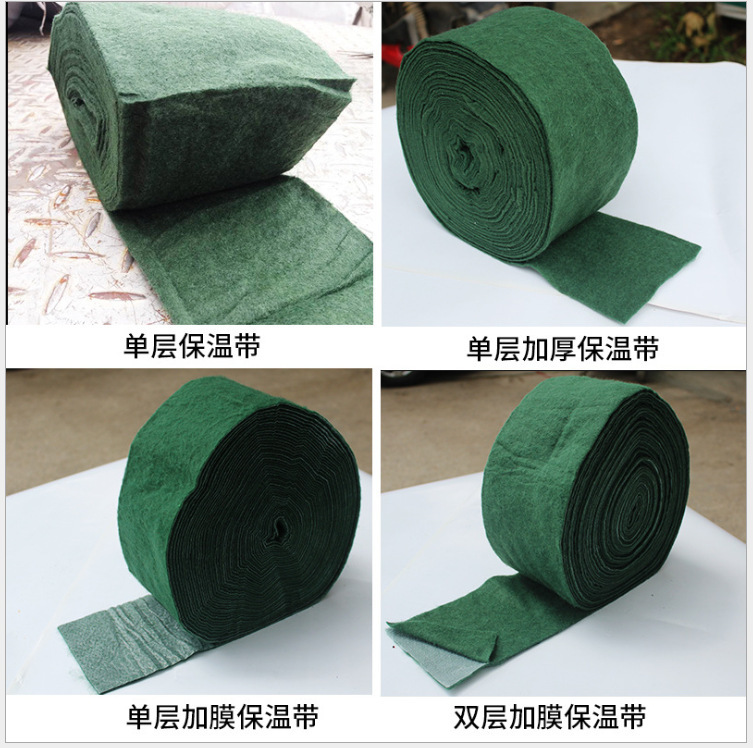
 ordinary single layer 12cm * 20m 普通单层款12cm*20m |
CN¥ 4.5 |
 ordinary single layer 12cm * 15 m 普通单层款12cm*15米 |
CN¥ 2.2 |
 single-layer thickened 12cm * 15 m 单层加厚款12cm*15米 |
CN¥ 2.5 |
 double-layer film type 12cm * 15 m 双层加膜款12cm*15米 |
CN¥ 4.5 |
 single-layer film type 12cm * 15 m 单层加膜款12cm*15米 |
CN¥ 3.0 |
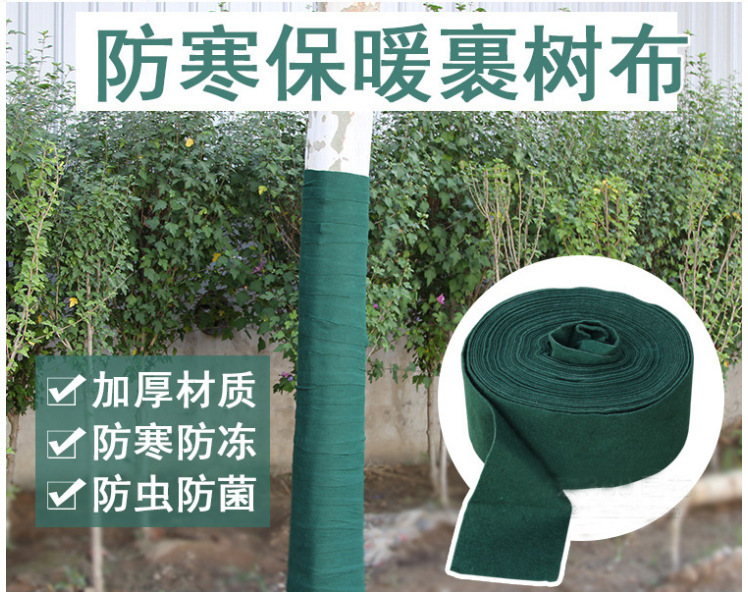
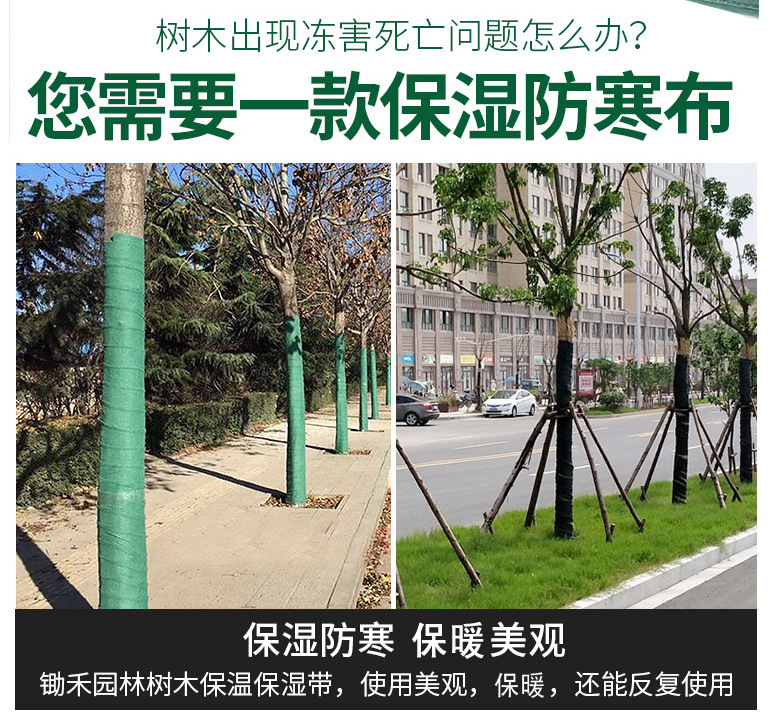
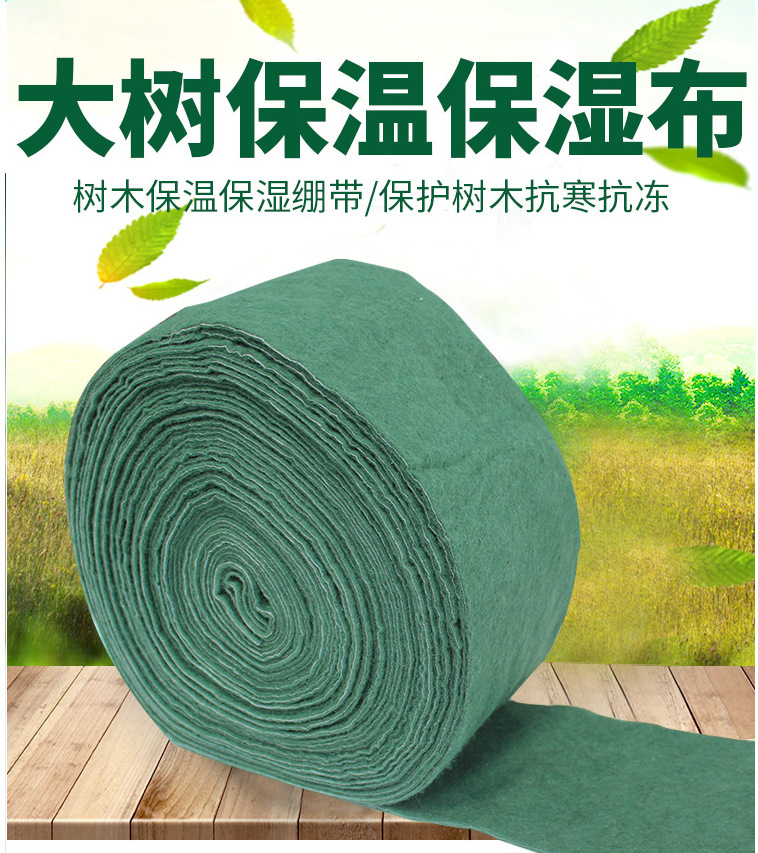
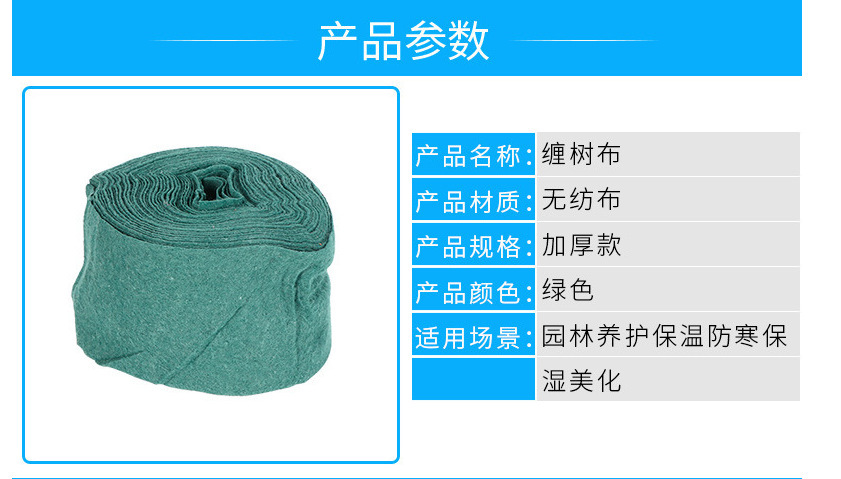
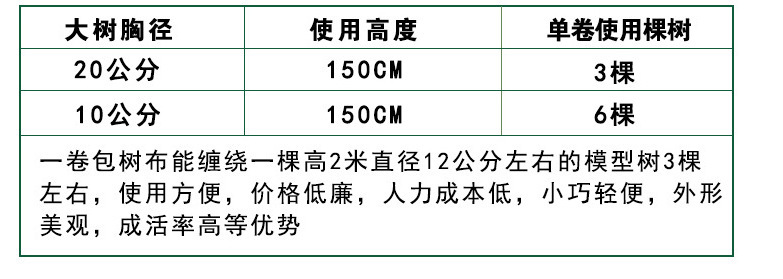
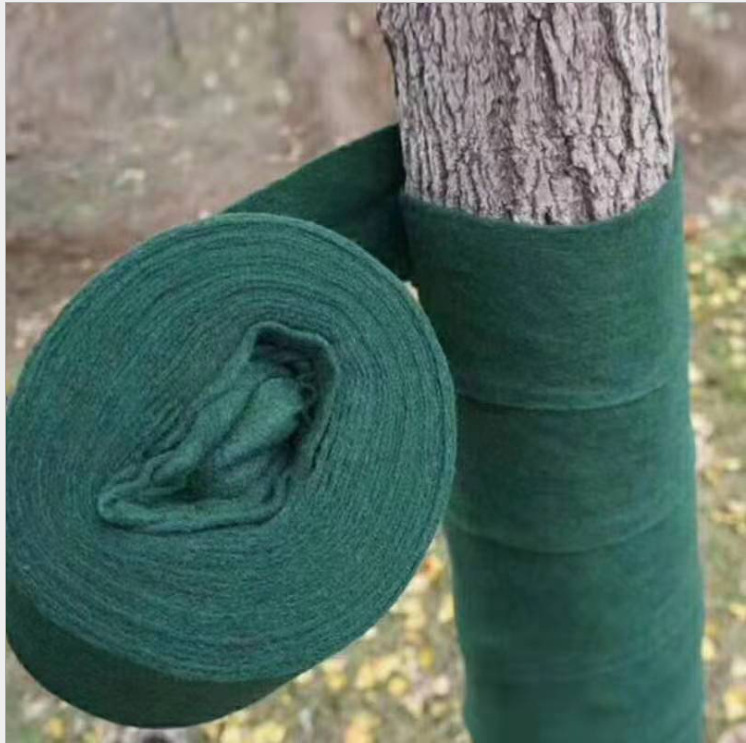
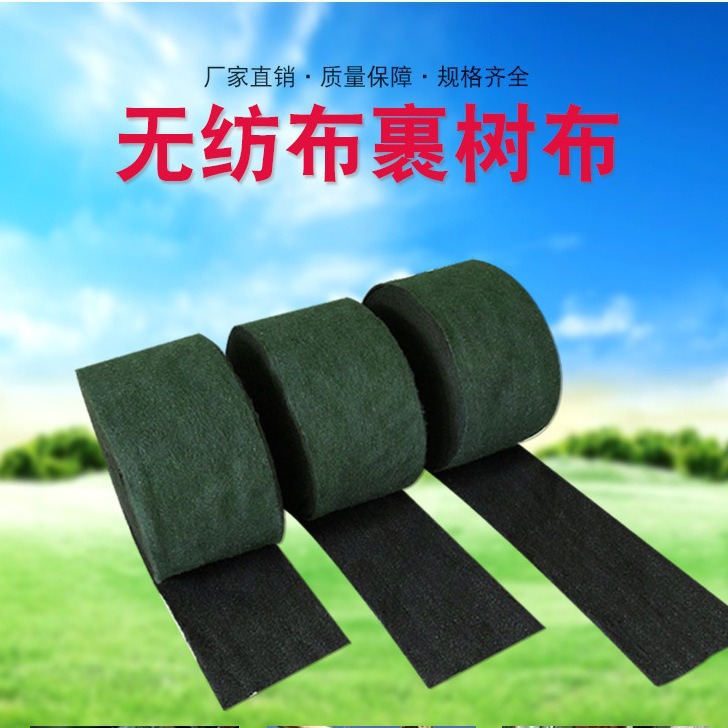
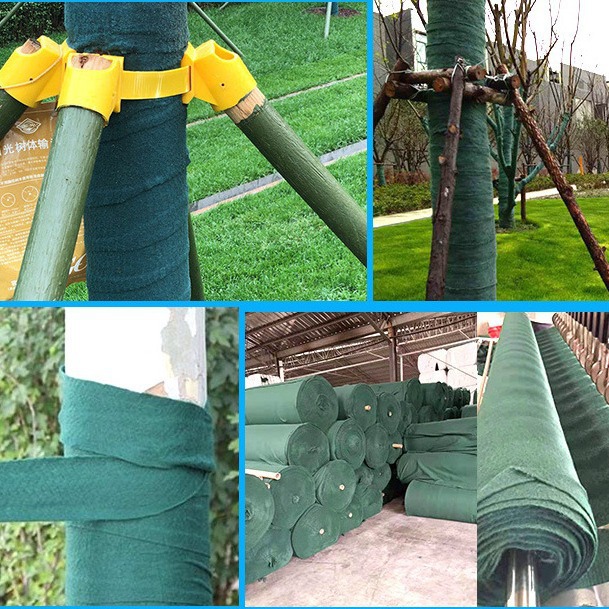
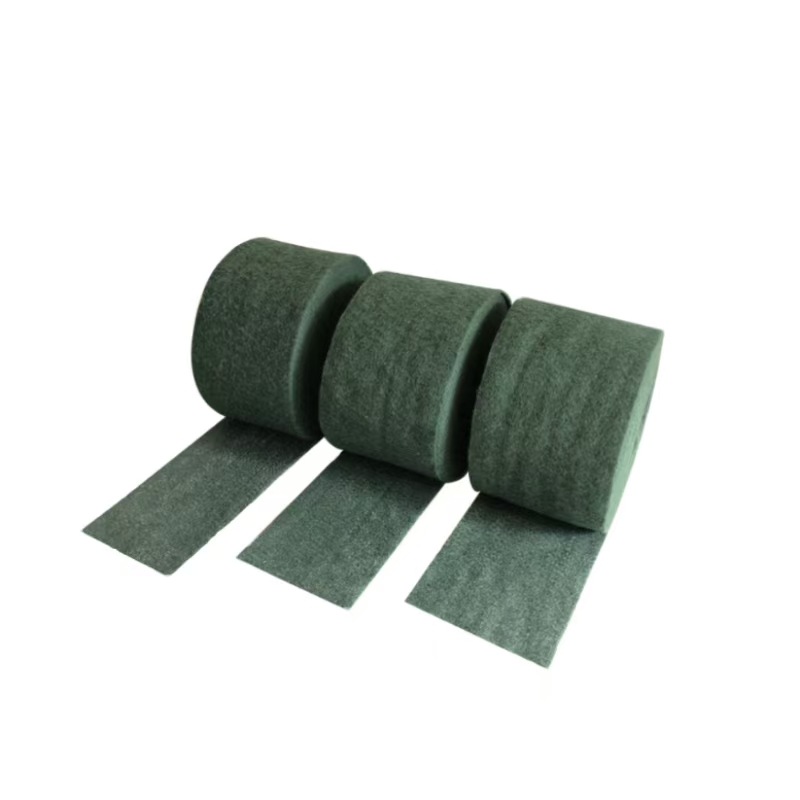
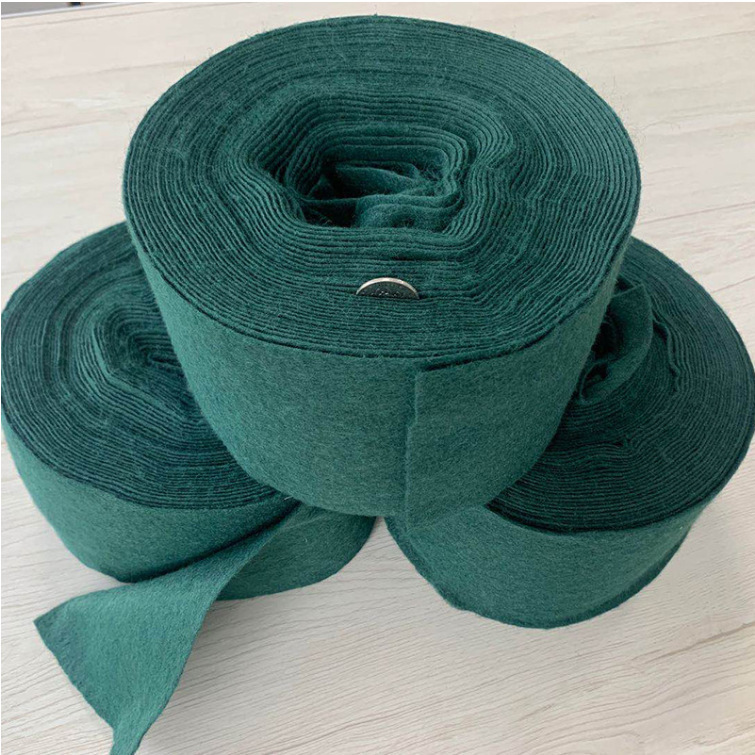
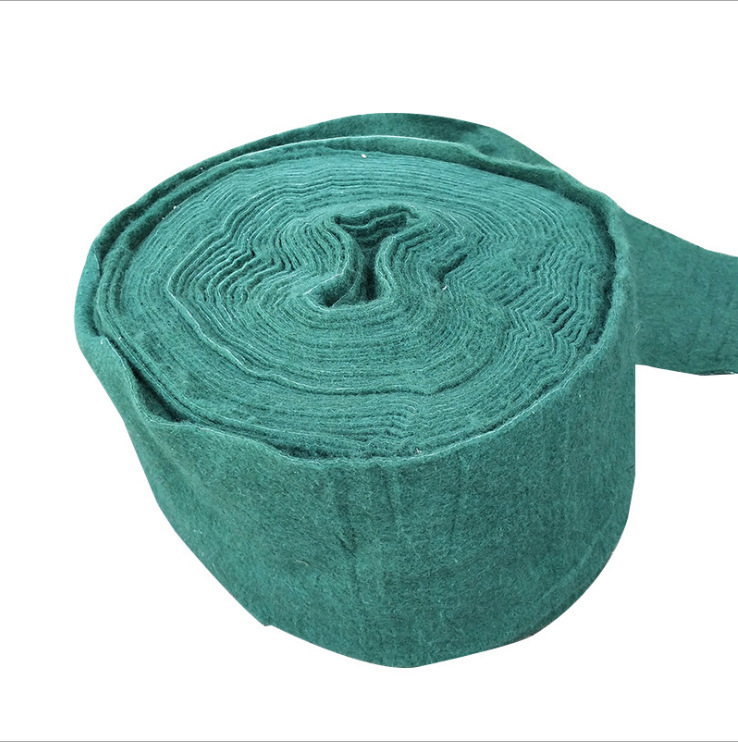
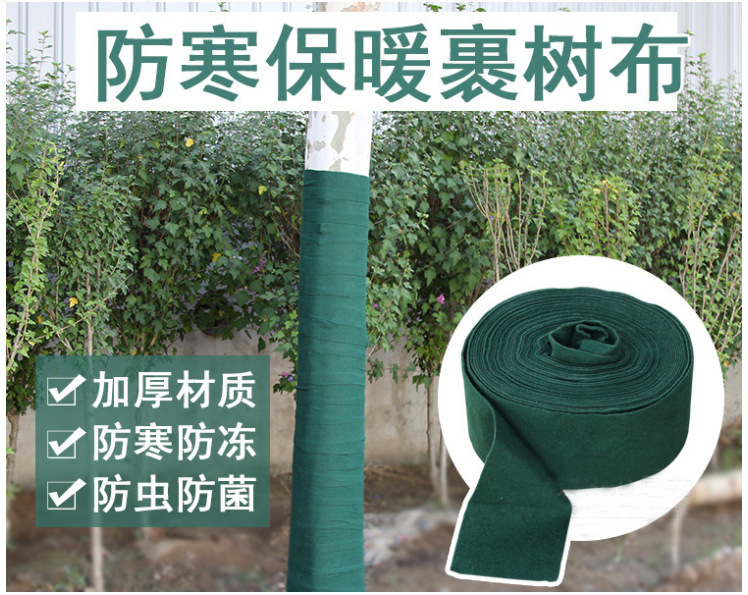
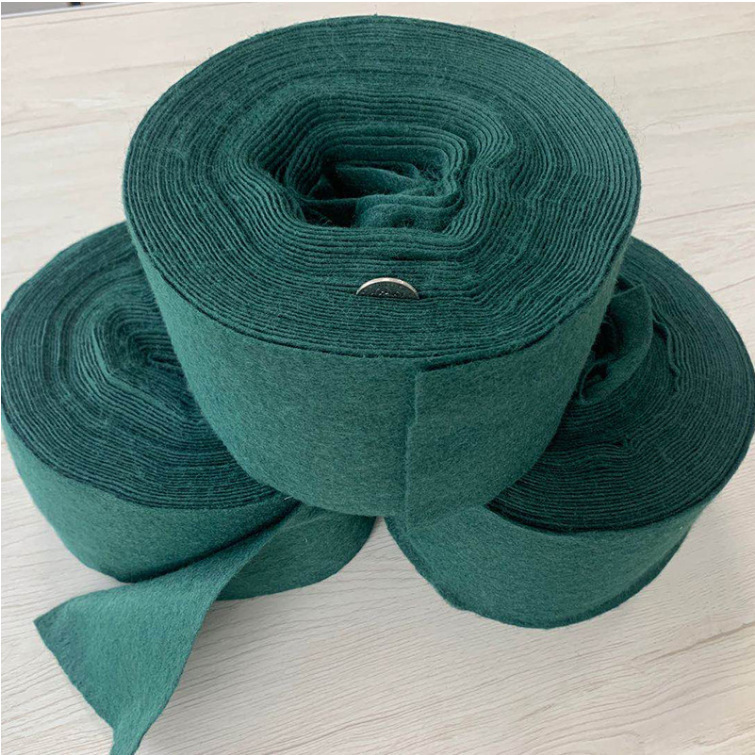
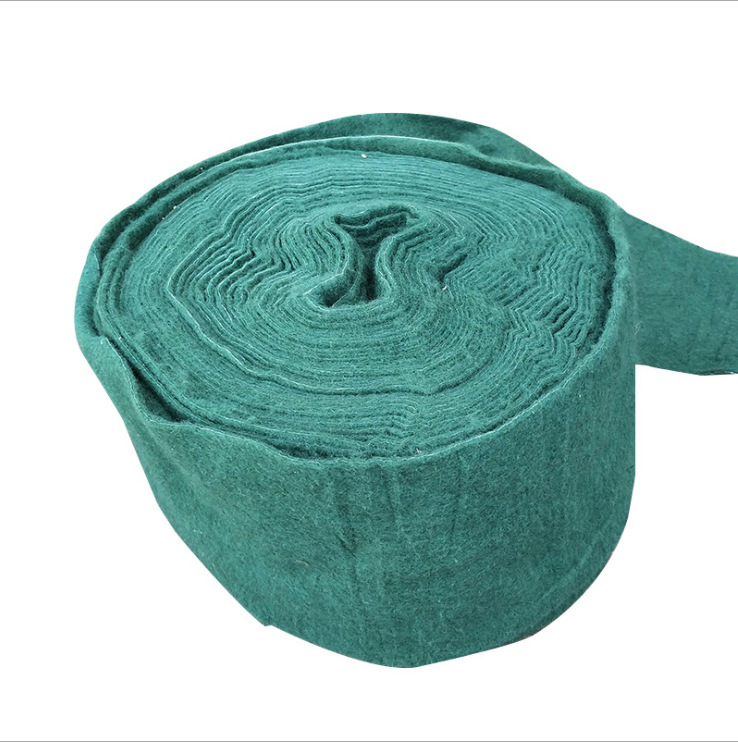
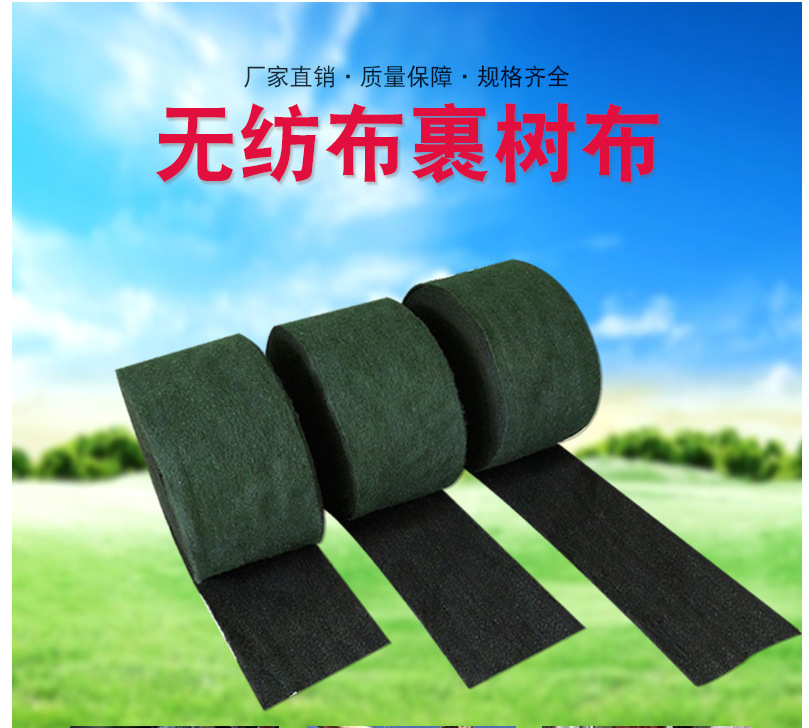
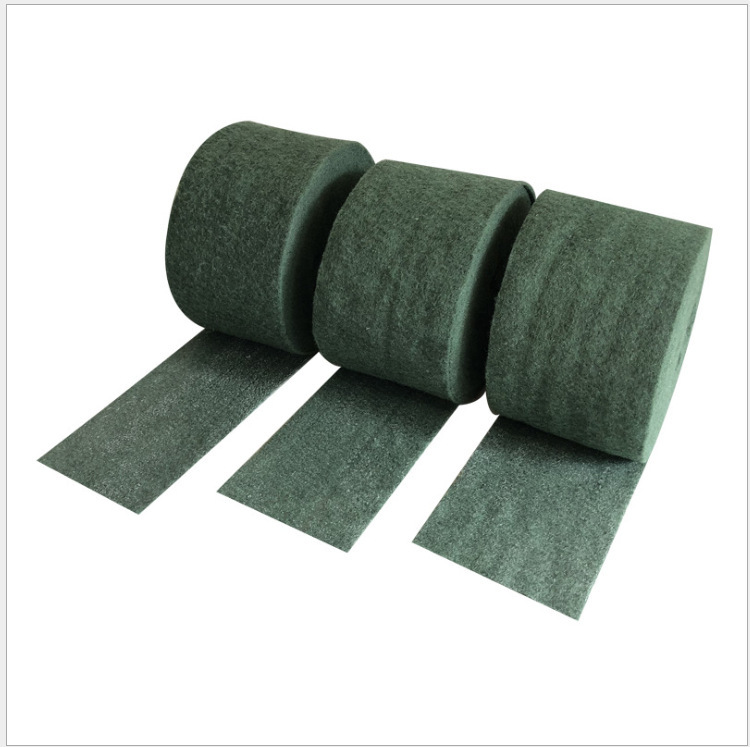
Insulation bag, tree fabric
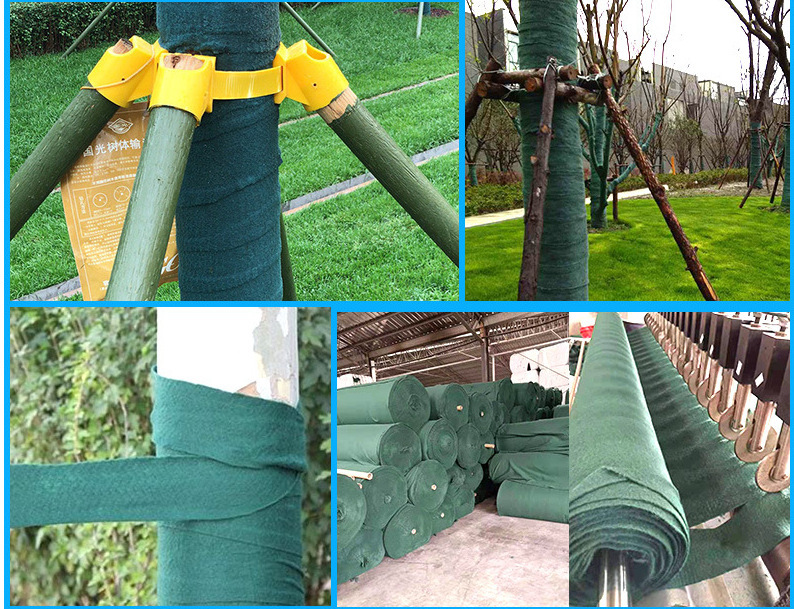
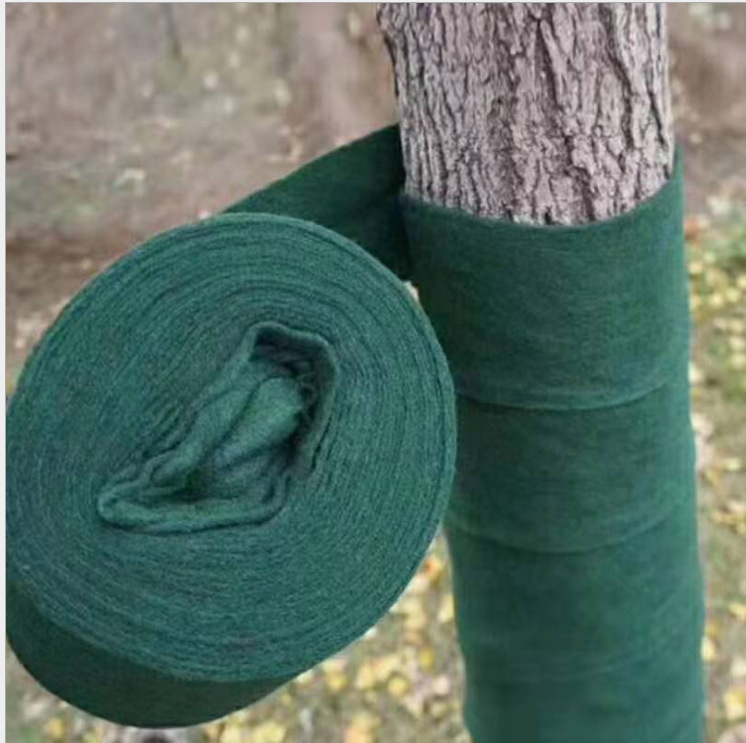
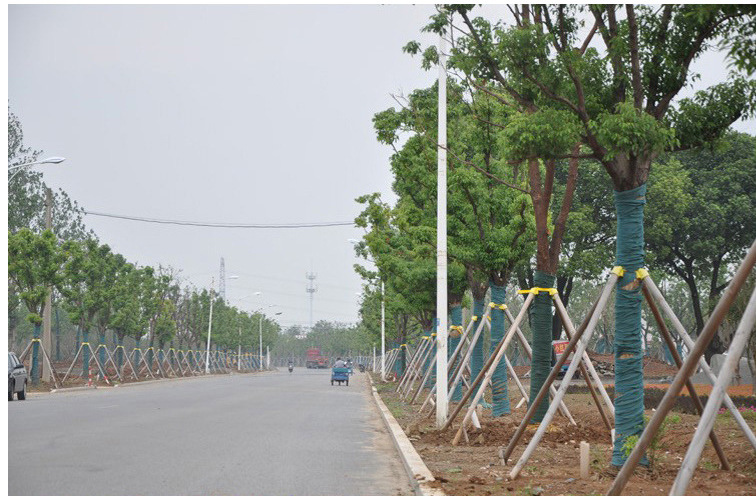
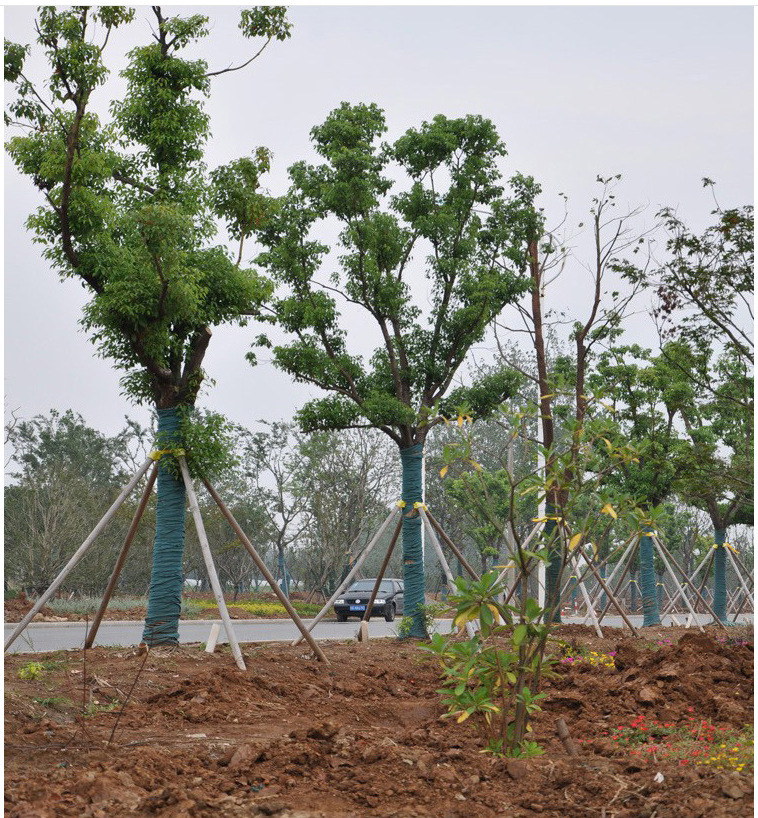
Trees suffer various damages during transplantation, which reduces their survival rate. To improve plant survival rates, materials such as straw ropes and plastic films were previously used to wrap around the tree surface to achieve heat preservation, moisture retention, and shading effects. However, wrapping with straw ropes is inefficient and unsightly; moreover, they may harbor pathogens and pests, affecting healthy plant growth. Plastic films are airtight, hindering normal respiration of plants. More importantly, traditional wrapping materials cannot provide effective protection for plants according to seasonal changes. In hot summer, the tree surface needs cooling, moisture retention, and sun protection; in cold winter, on the other hand, warming and low humidity are required—things that straw ropes and plastic films cannot offer simultaneously. As a result, their help to plants is limited, and multiple operations are needed. In winter, they are tied to the trees, and in spring, they must be removed promptly—resulting in poor outcomes and unnecessary effort.
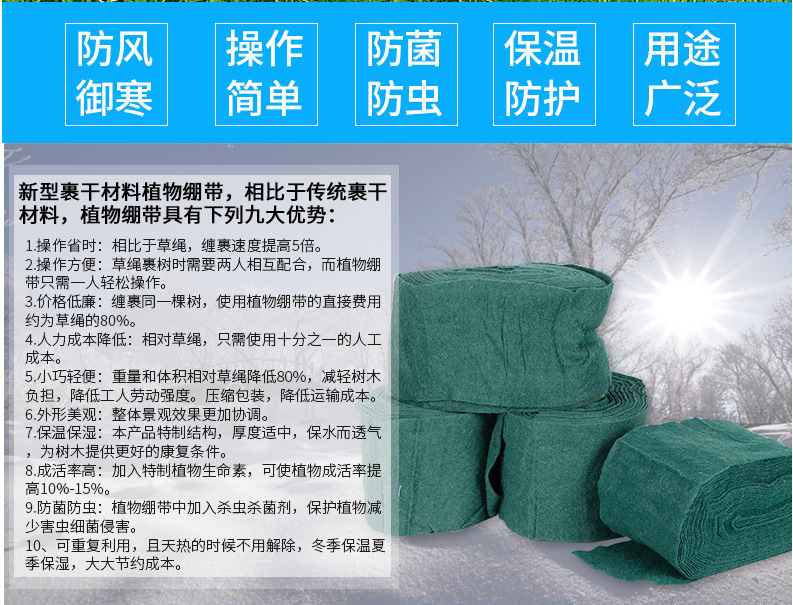
Compared to traditional drying wraps, plant bandages have the following nine advantages:
1. The operation is time-saving; compared to straw ropes, the wrapping speed is increased by 5 times.
2. The operation is convenient. When wrapping the tree with straw ropes, two people need to work together, whereas the plant bandage can be easily handled by one person.
3. The price is low; when wrapped around a single tree, the direct cost of using plant bandages is approximately 80% lower than that of straw ropes.
4. Labor costs have decreased; compared to straw ropes, only one-tenth of the labor cost is required.
5. It is compact and lightweight; its weight is 80% lower than that of straw ropes, reducing the burden on trees and lowering the labor intensity for workers. Compact packaging also reduces transportation costs.
6. It has an attractive appearance, and the overall landscape effect is more harmonious.
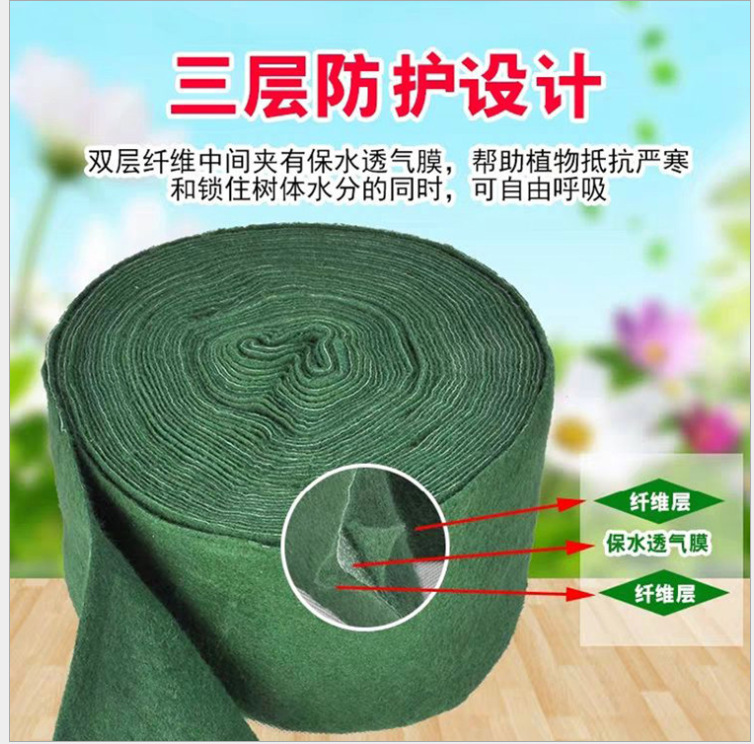
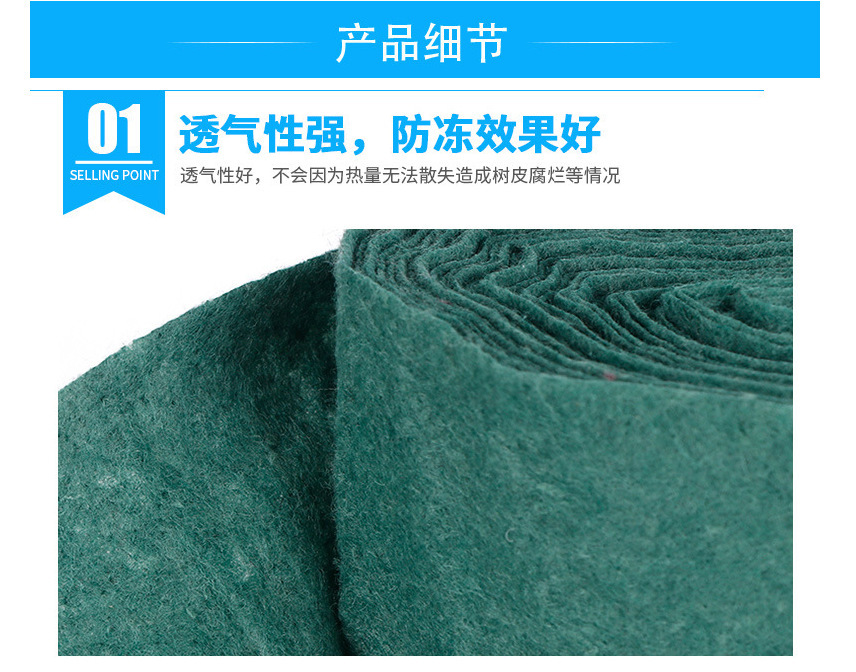
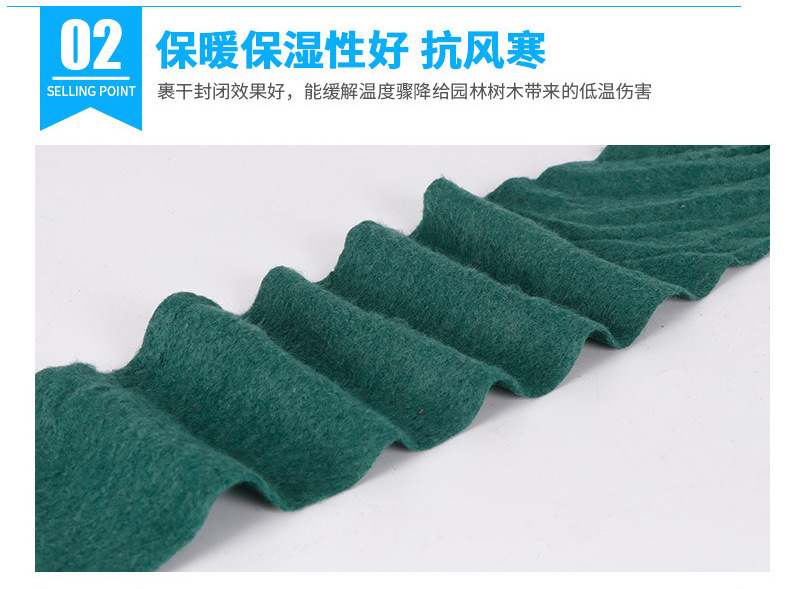
7. Maintain temperature and humidity; this product has an appropriate thickness, retains moisture while being breathable, providing excellent conditions for tree recovery.
8. High survival rate; the addition of plant growth promoter can increase the survival rate of plants by 10%-15%.
9. Antimicrobial and insect-resistant, the plant bandage contains insecticides and antimicrobial agents to protect plants from pests and bacteria.
Therefore, we have reason to believe that the emergence of plant bandages indicates that crude wrapping materials such as straw ropes will soon fade from history.
Update time:


TOP