
Search history
Clear allSearch by image
XDrag and drop an image here or upload an image
Max 5MB per image
UploadSign In | Join

Search history
Clear allSearch by image
XDrag and drop an image here or upload an image
Max 5MB per image
UploadSign In | Join
|
mixed wholesale
混批 |
CN¥ 0.0 |
For inquiries regarding large-scale production at the factory, contact: 1 5858 9 4 0 8 6: Manager Xing
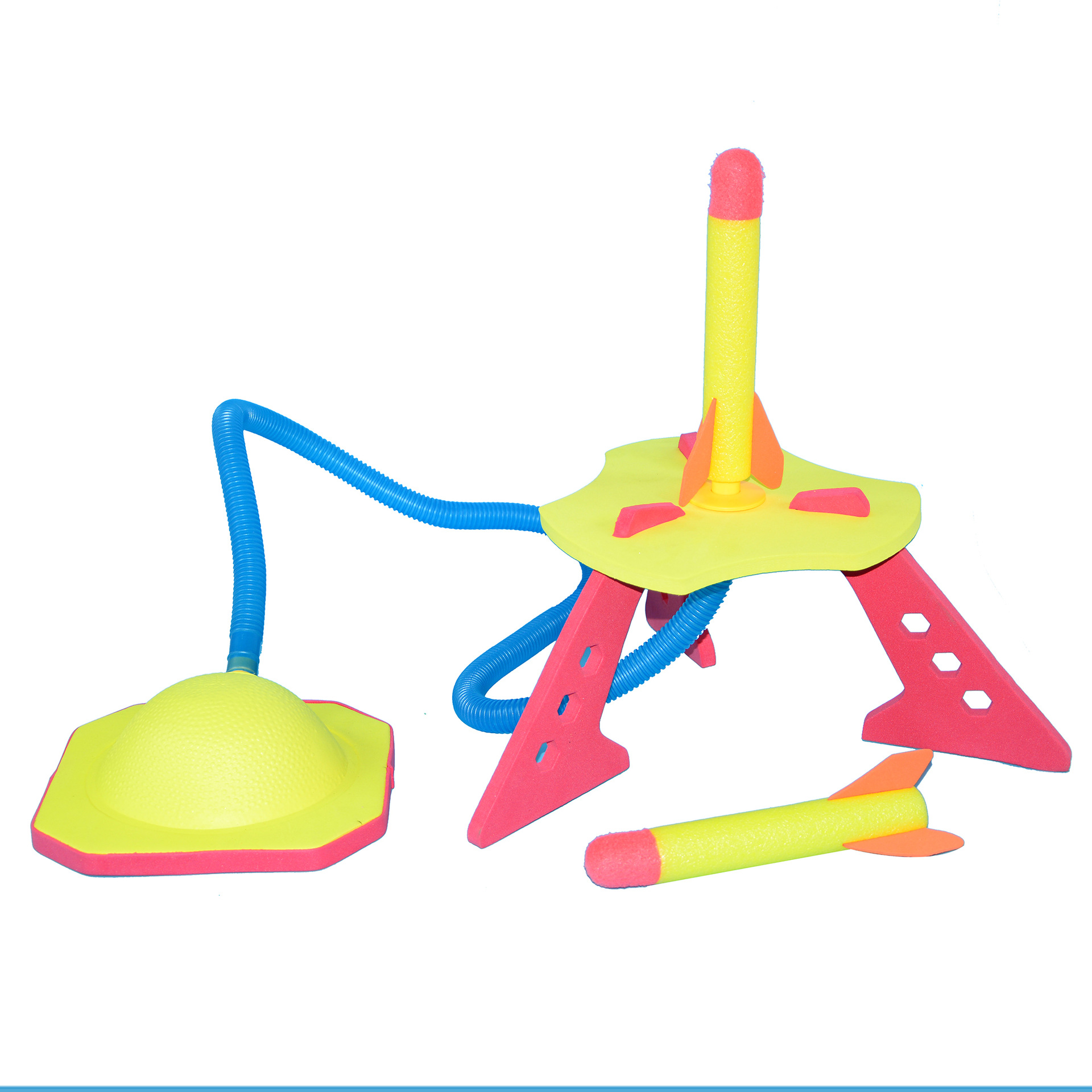
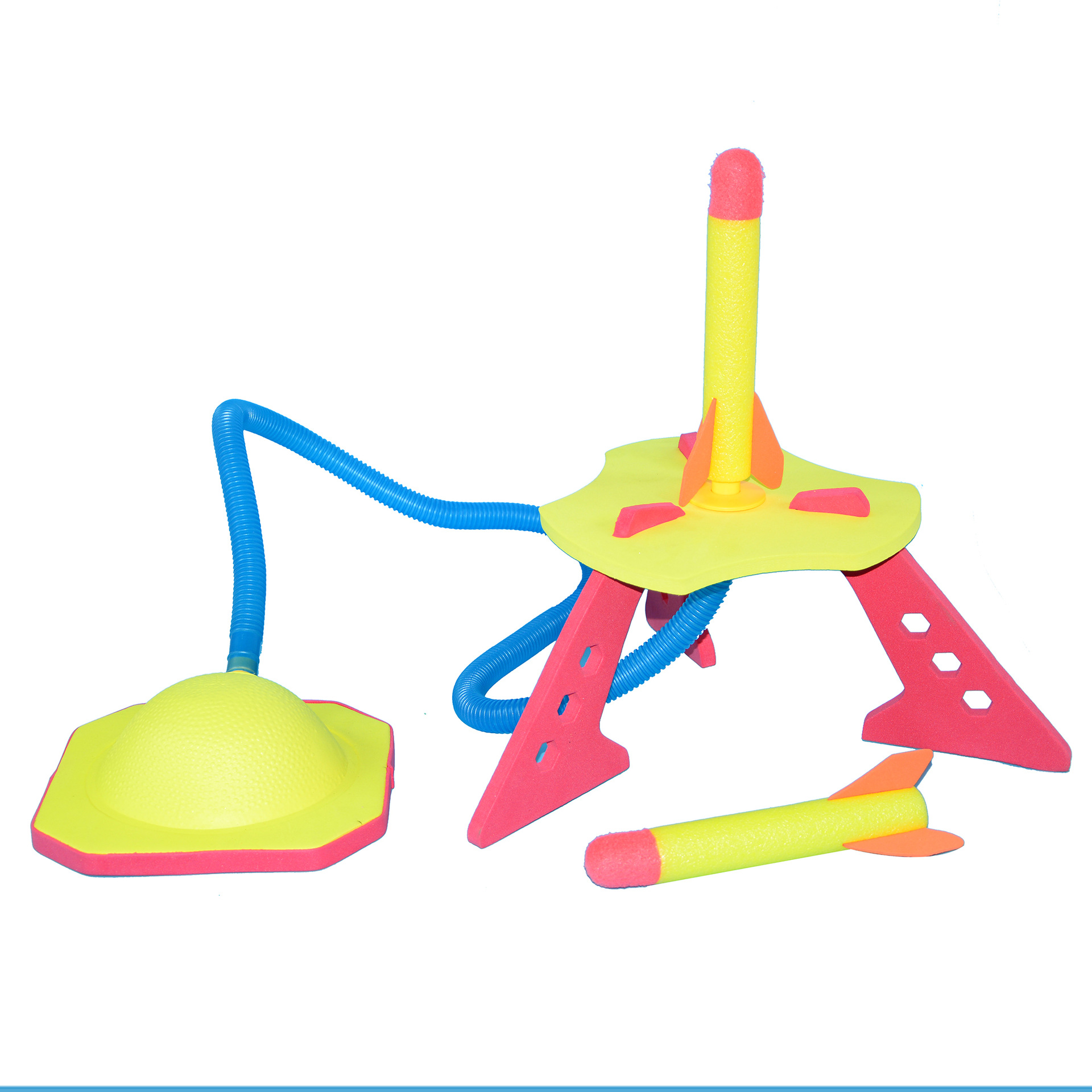
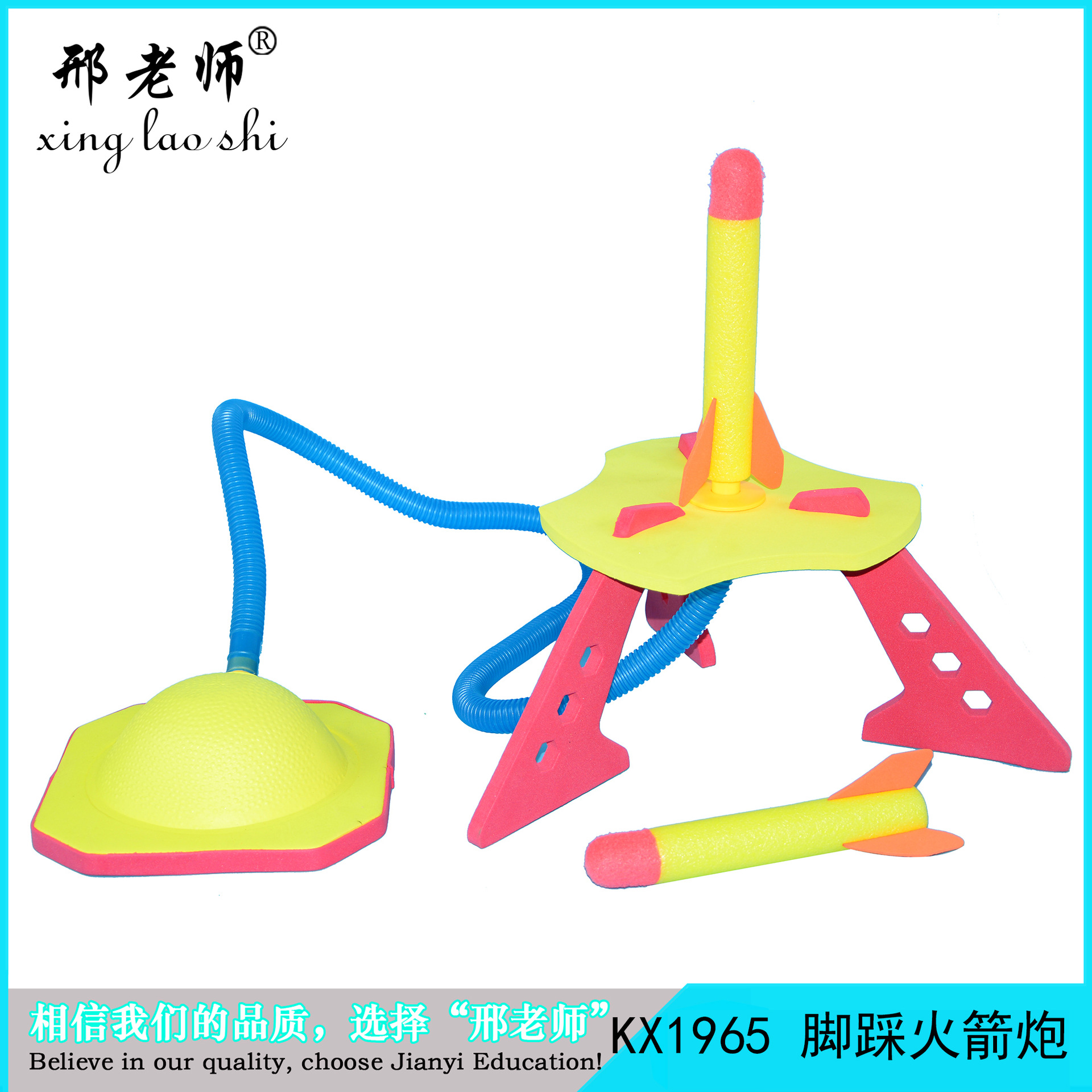
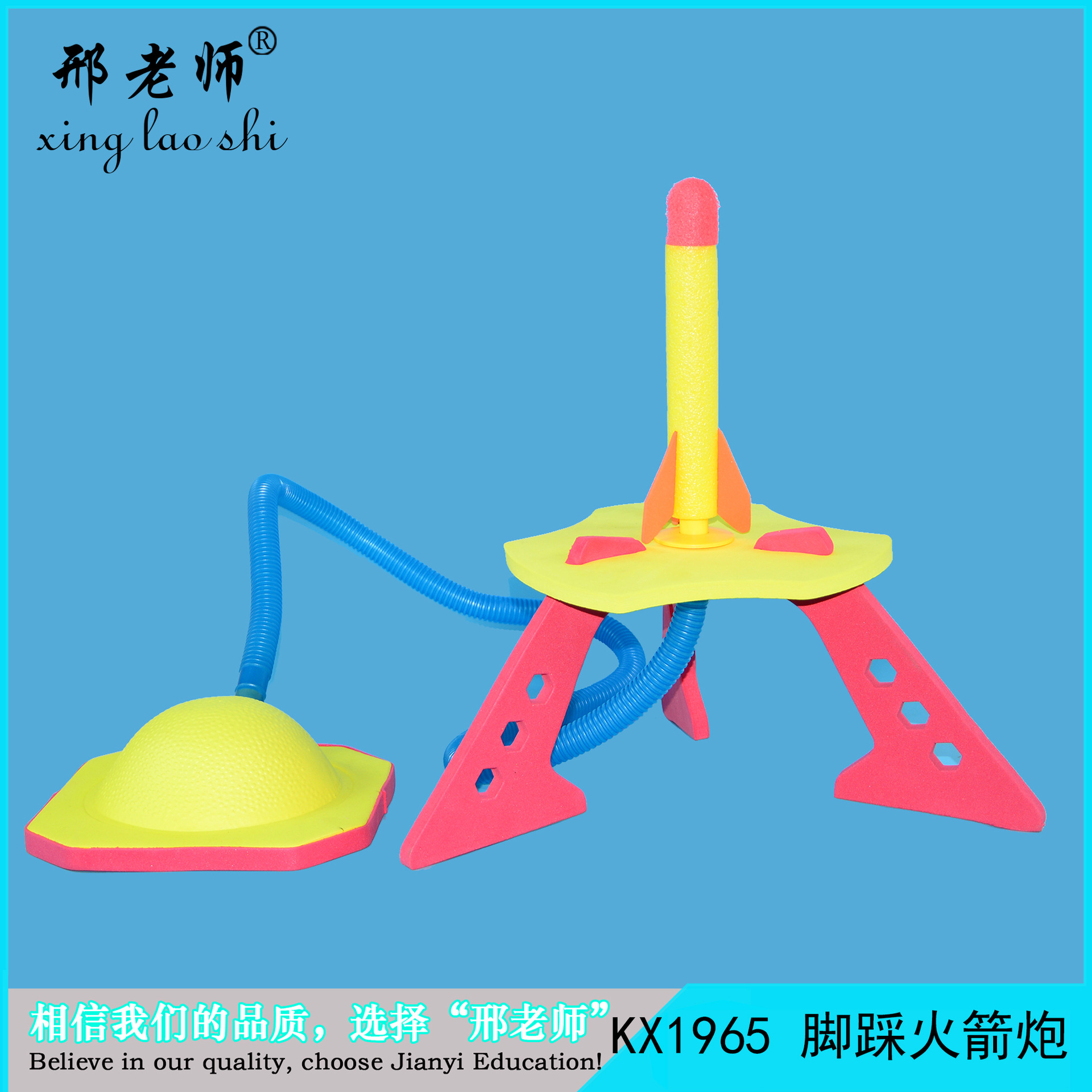
Product Name: KX1 96 Footed Rocket Launcher
Model Number: KX1965
Size: 305*228*90 mm
Weight: Approximately 500g
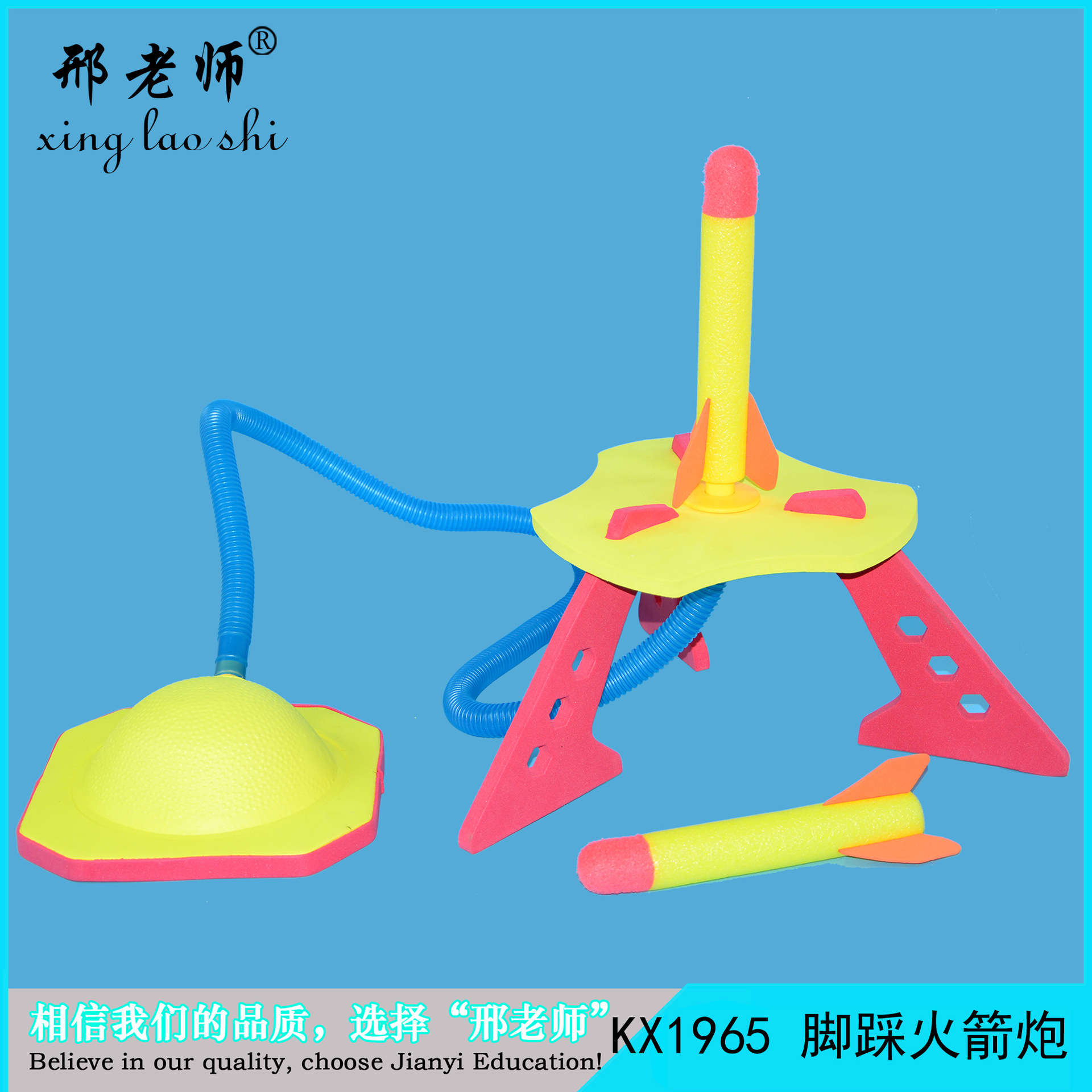
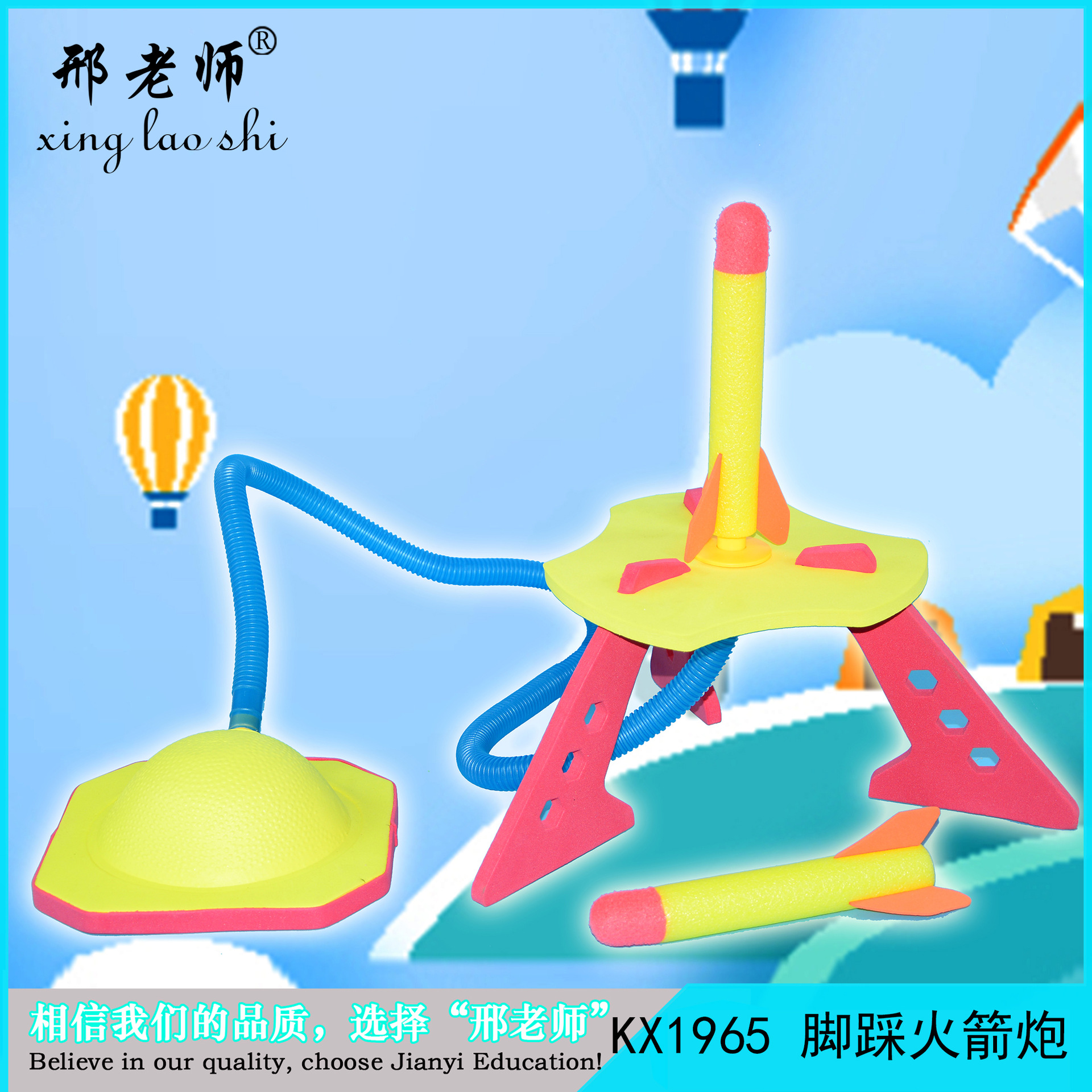
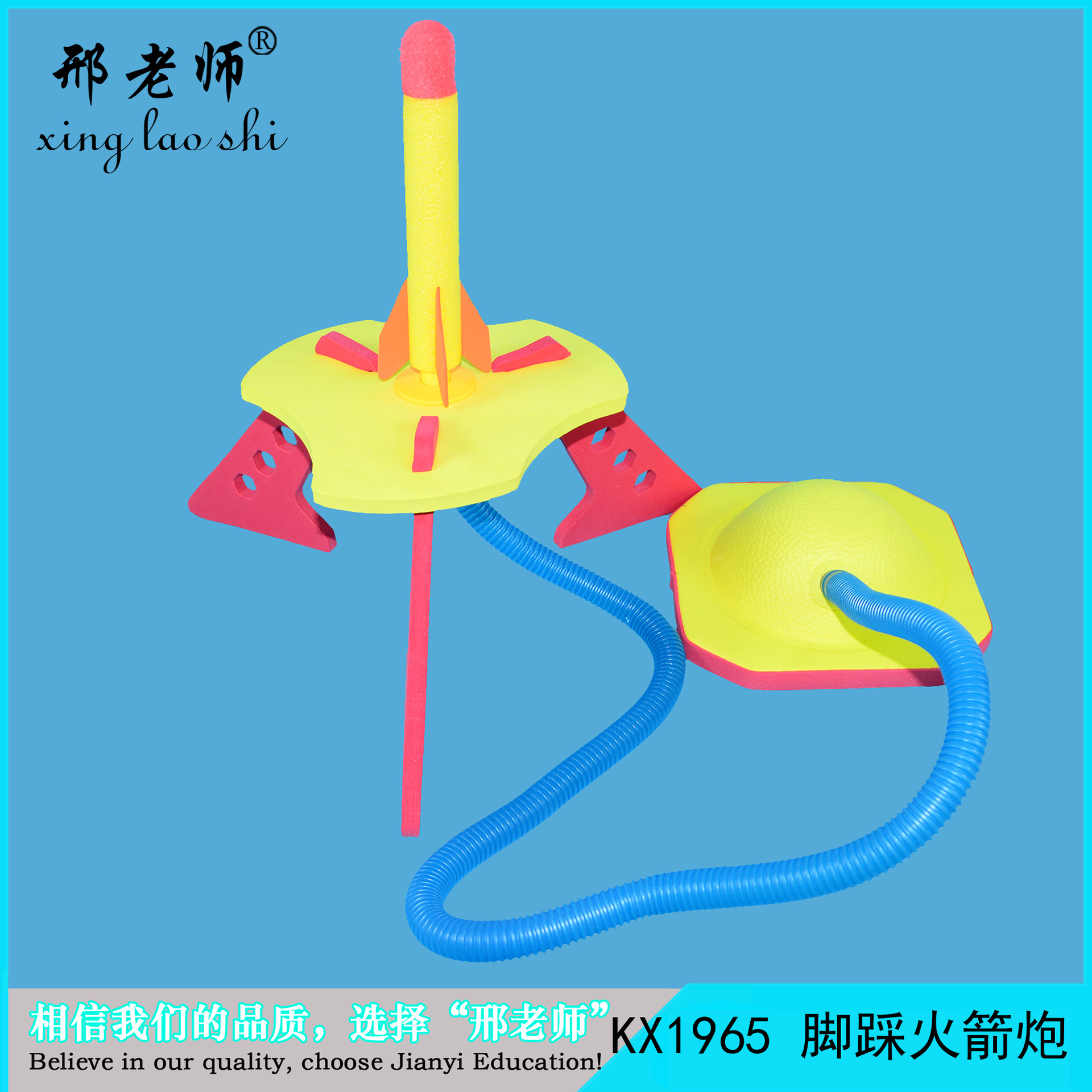
Material: 1 air pressure launcher, 2 rockets, 1 rocket launch platform
Color: Mixed Color
Does it use a battery: No
Packaging: 50 pcs
Box dimensions: 600*450*550mm
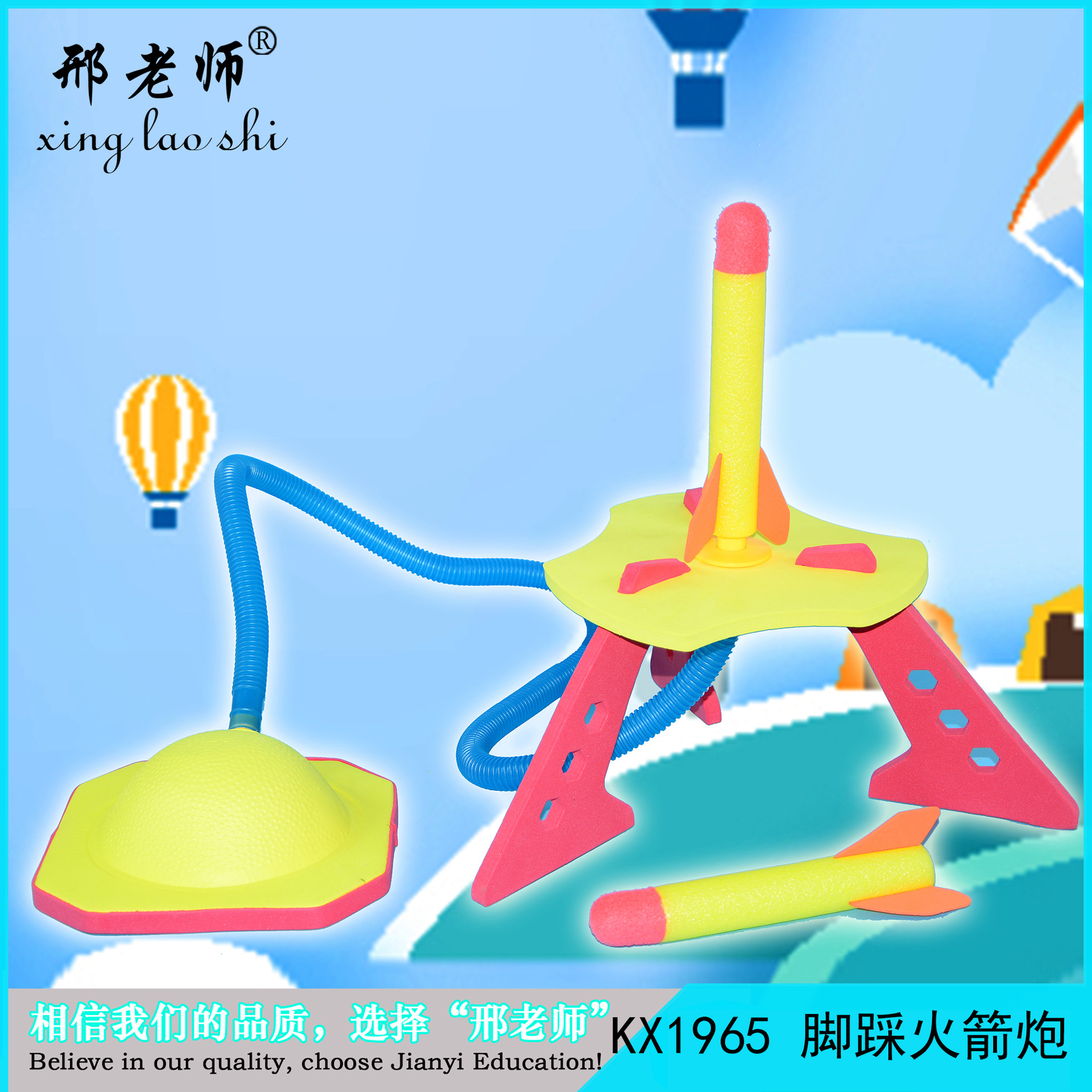
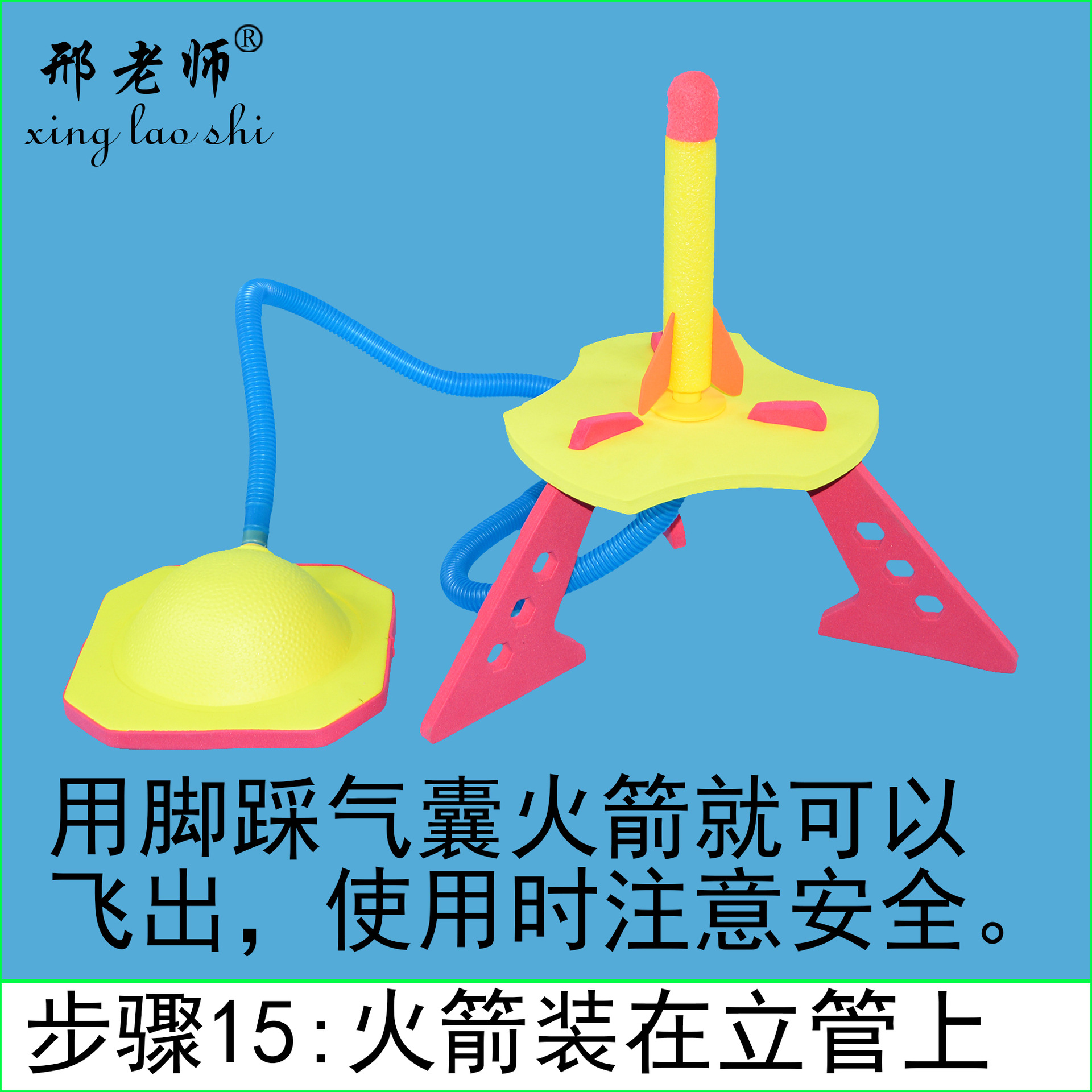
The soft balloon is placed on the rocket launcher, and then it can be pressed by hand or stepped on to inflate—launching, after which the rocket will rapidly ascend toward the control station.
Range can reach up to 200 feet, approximately 6 meters
Rocket propulsion theory is the foundation of aerospace theory. A rocket engine is a propulsion device that provides strong thrust to enable spacecraft to reach the required orbital velocity. Its operation is based on the principle of direct reaction motion, which is particularly beneficial for high-speed flight.
So, what is direct reaction motion?
According to the basic laws of Newtonian mechanics, for two objects interacting with each other, the action and reaction forces always exist simultaneously, with equal magnitudes and opposite directions. Therefore, any movement, in a general sense, is a reaction motion. Here are two examples: first, a ship; due to the rotation of the propeller on the water, the reaction force from the water propels the ship forward; second, a jet engine; as the fuel within the engine burns and expands, the expanding gas is ejected backward at high speed, and the engine receives a thrust in the opposite direction of the gas ejection, causing it to move forward.
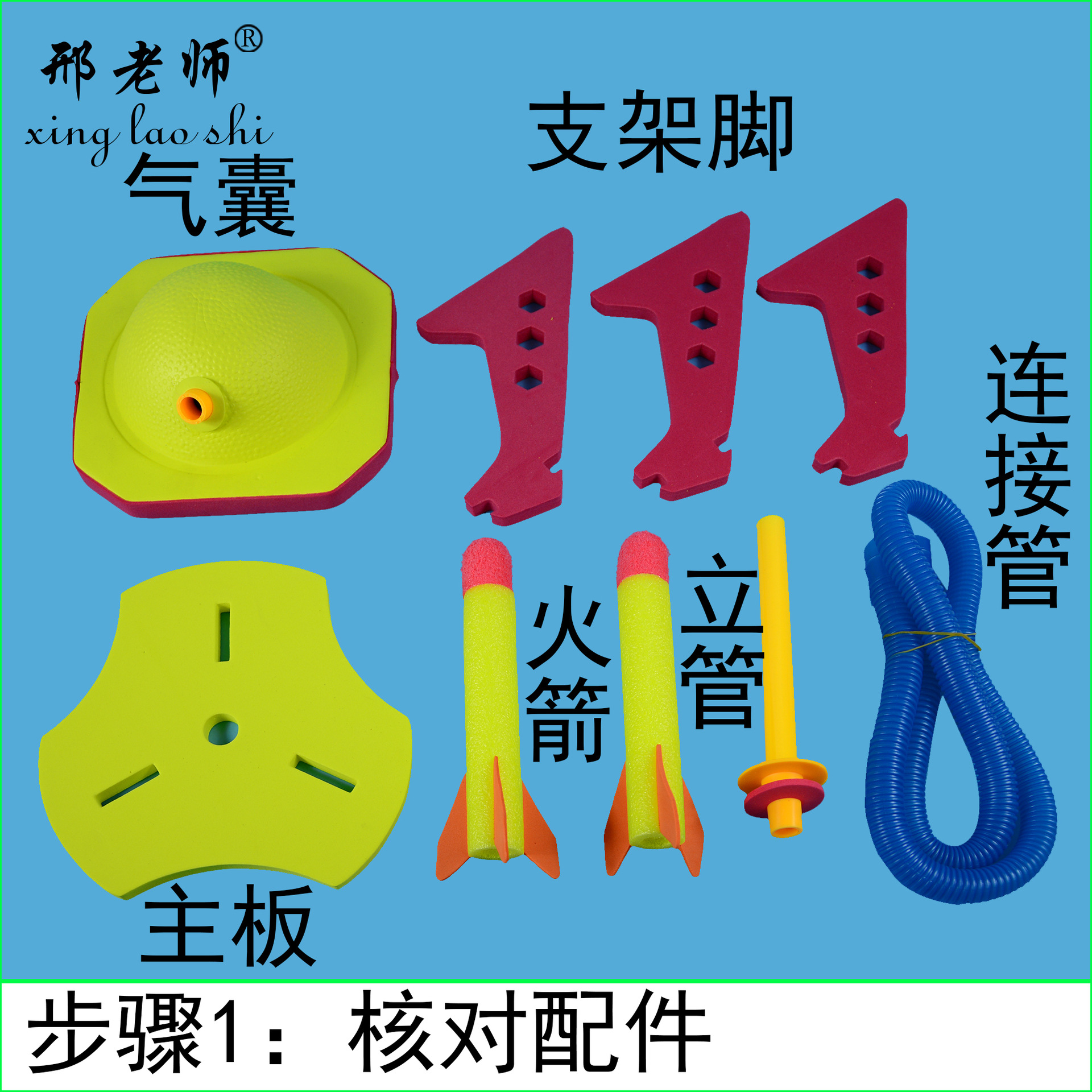
Experimental Objectives:
1. Understand the structure of the rocket launcher vehicle
2. Understand the operating principle of stepping on a rocket launcher
3. Stimulate children’s curiosity, foster a spirit of scientific exploration, enhance hands-on skills, and further develop their comprehensive abilities to identify problems, explore independently, and solve issues.
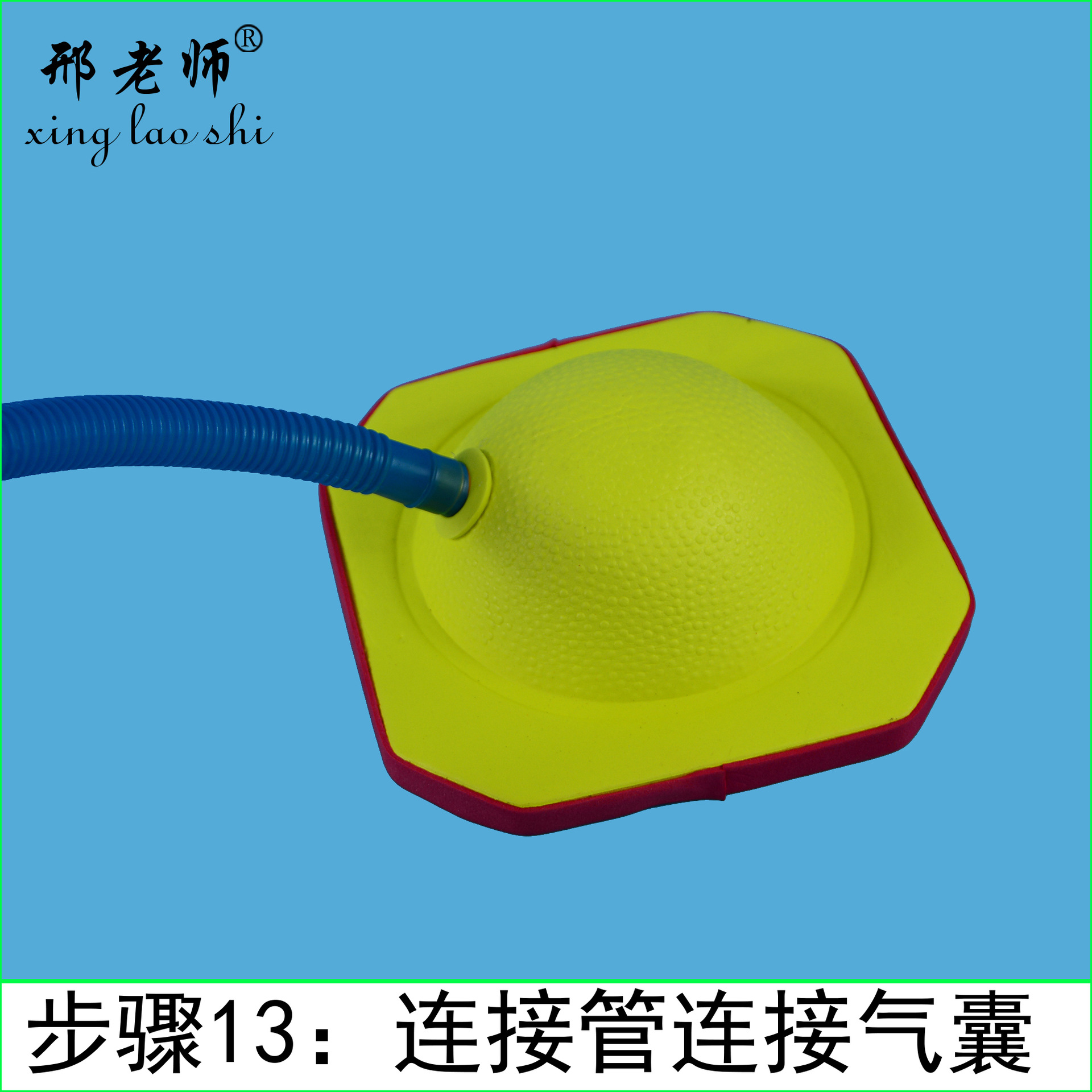
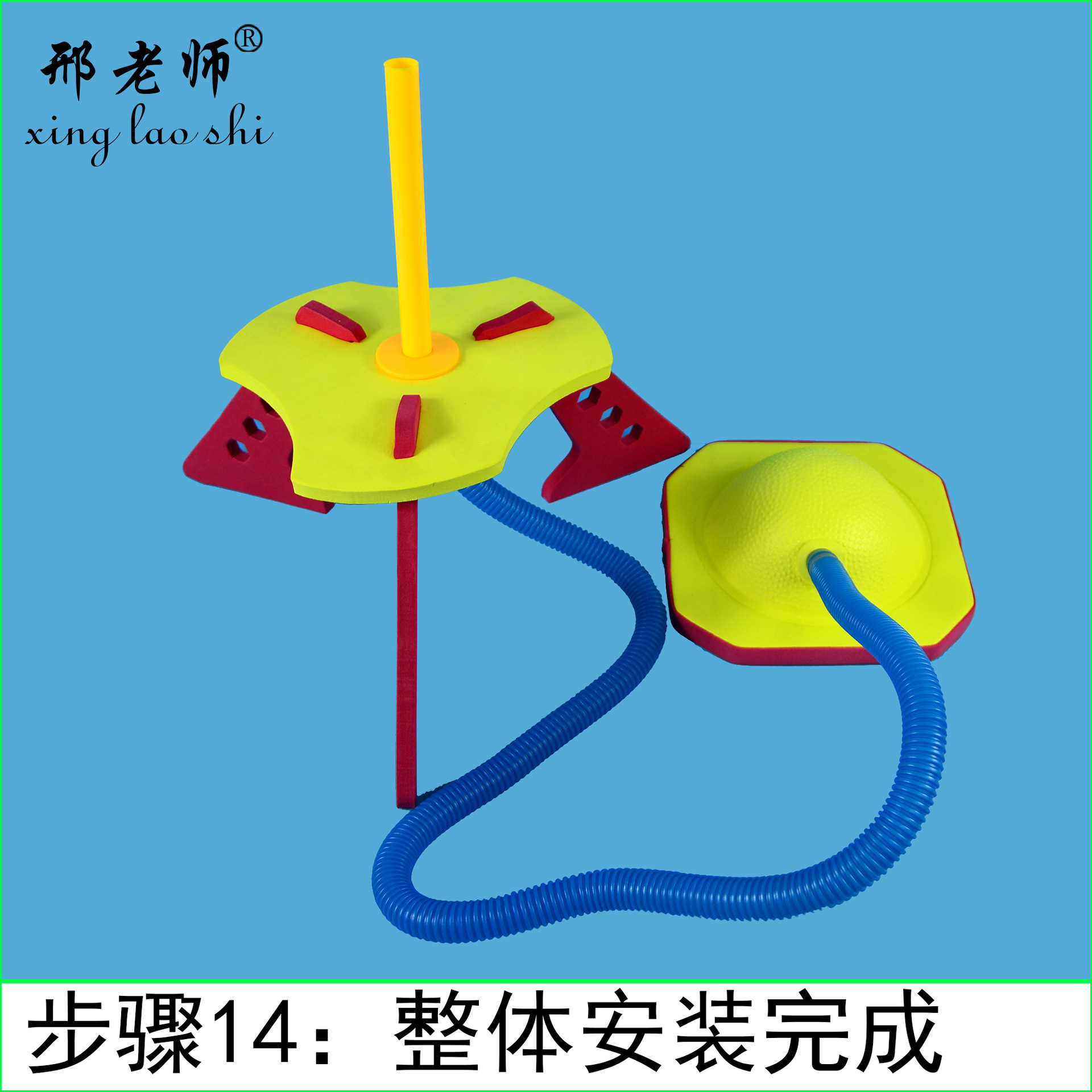
Installation steps:
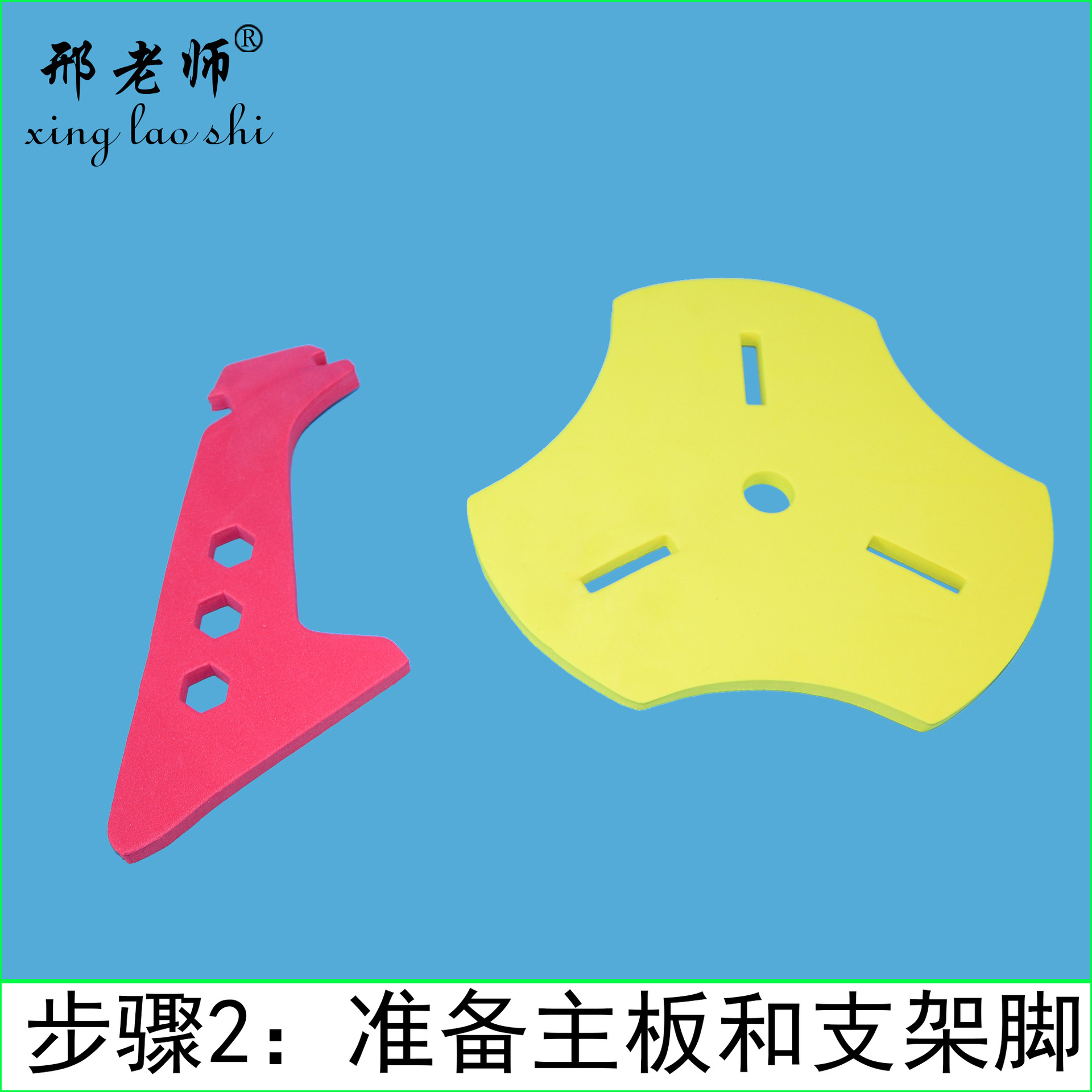

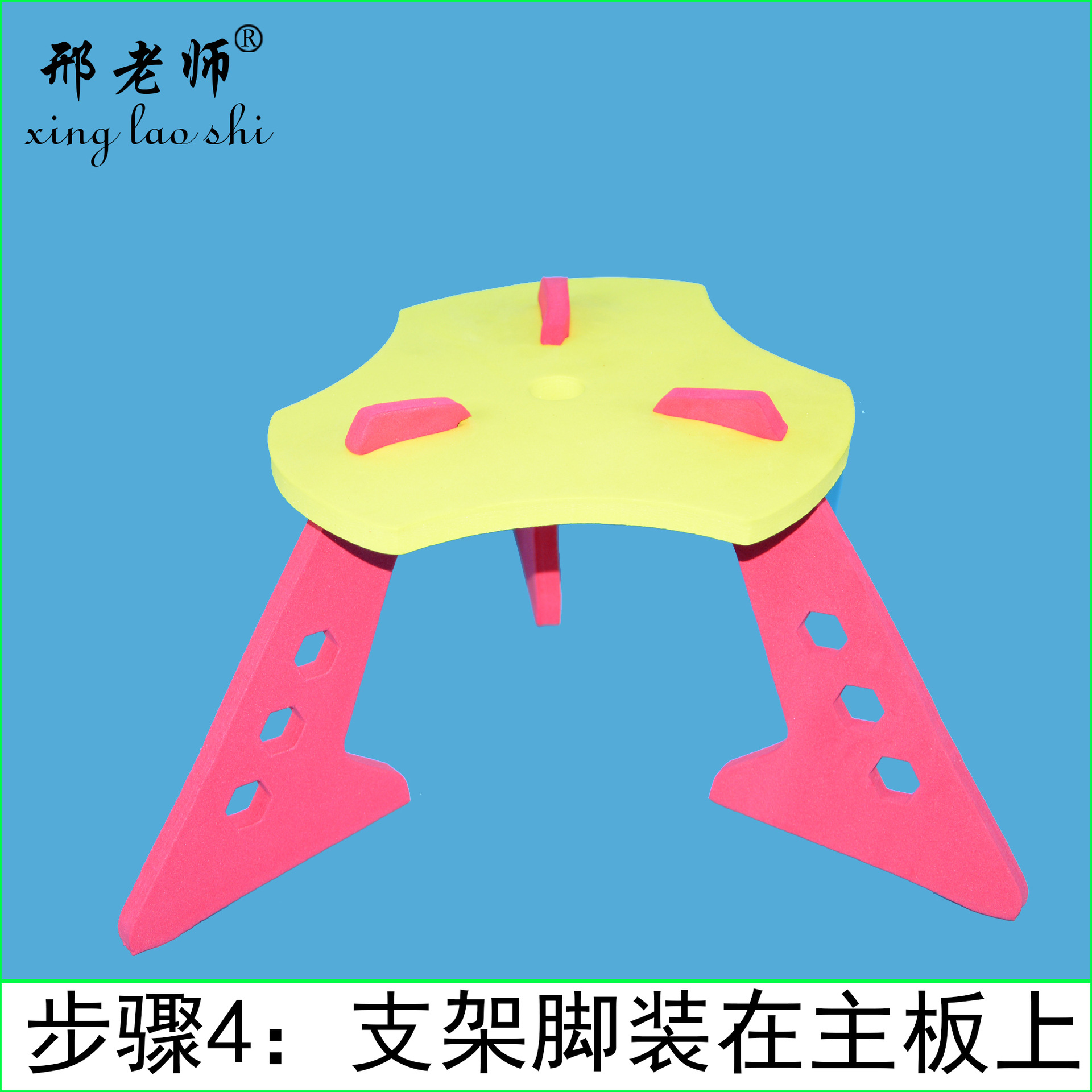
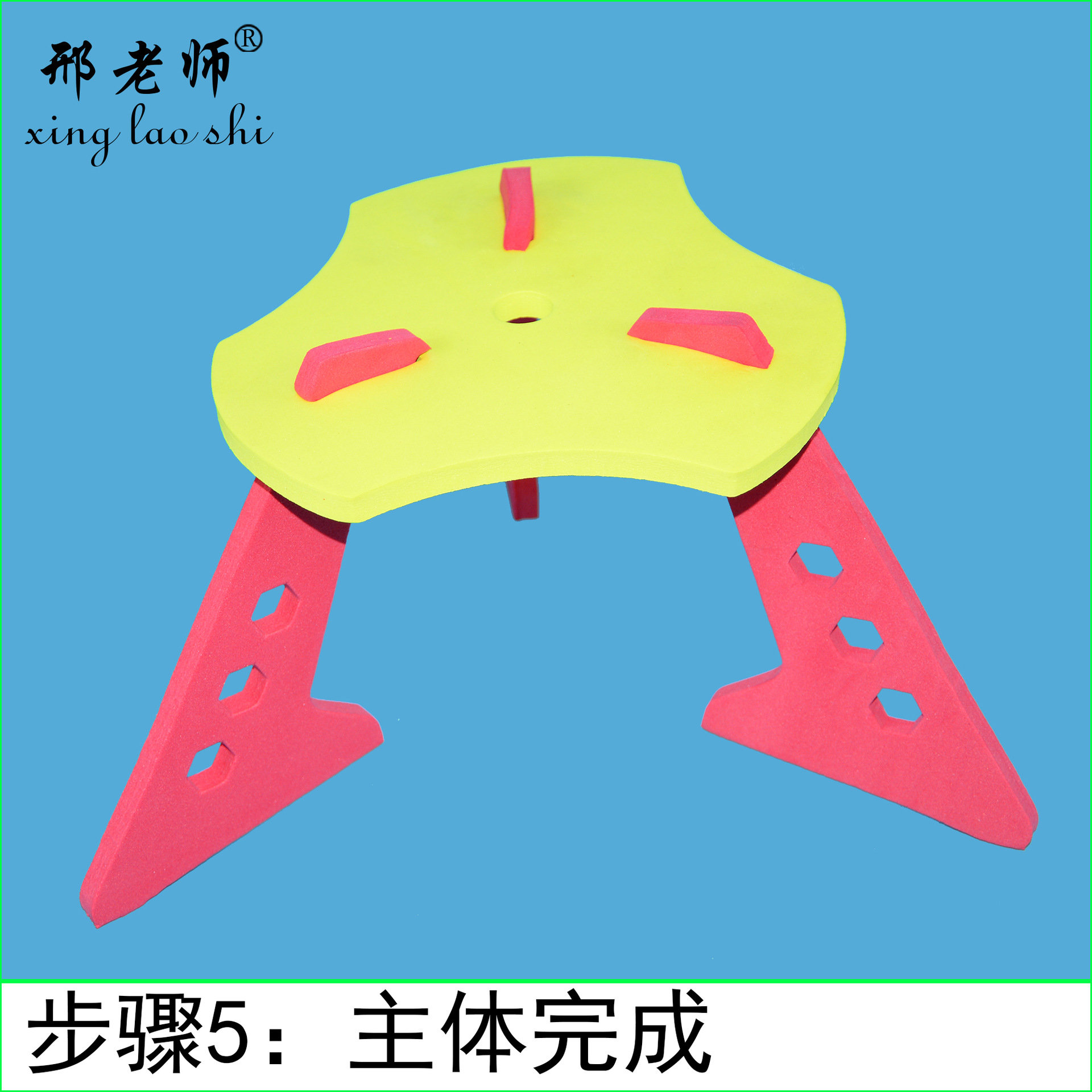
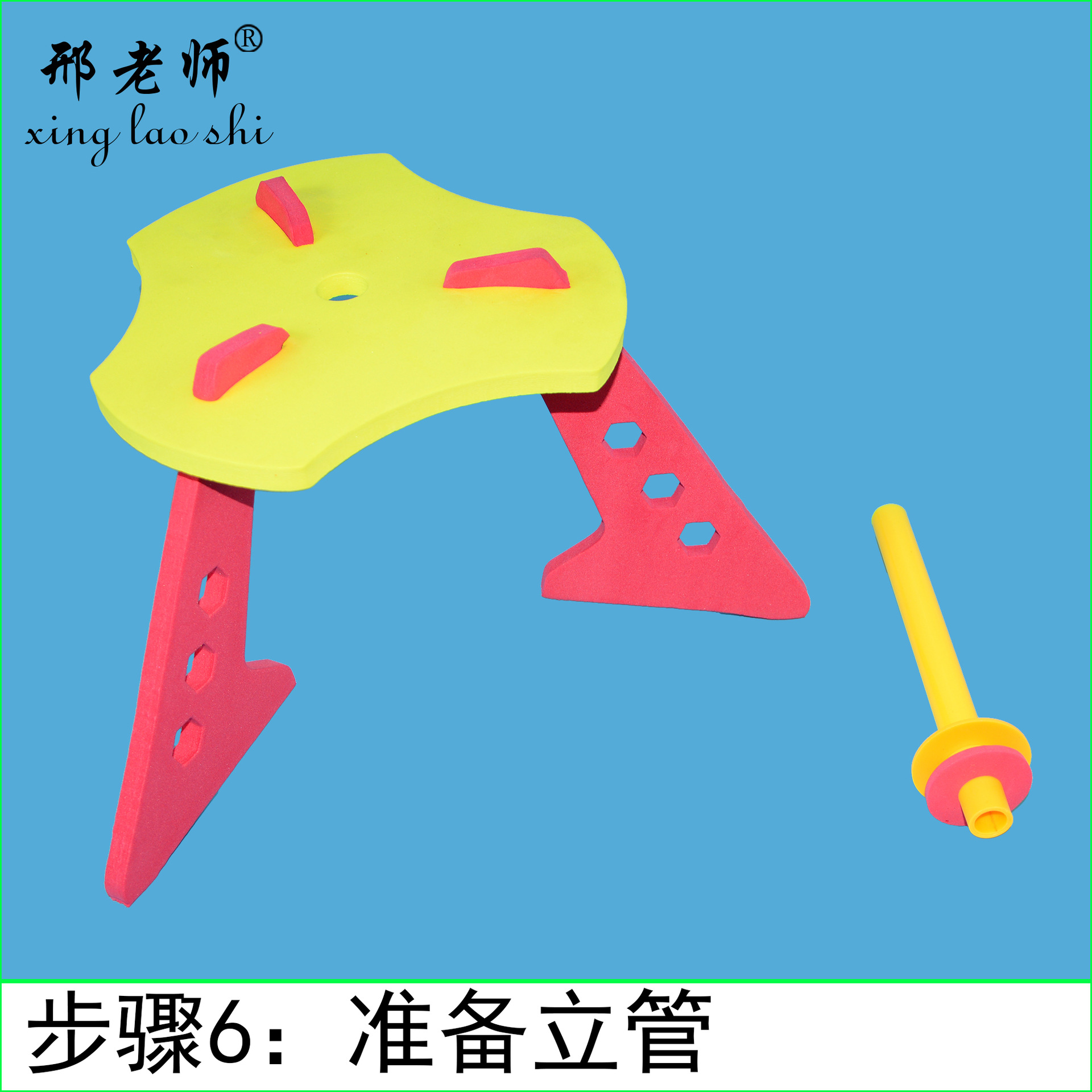
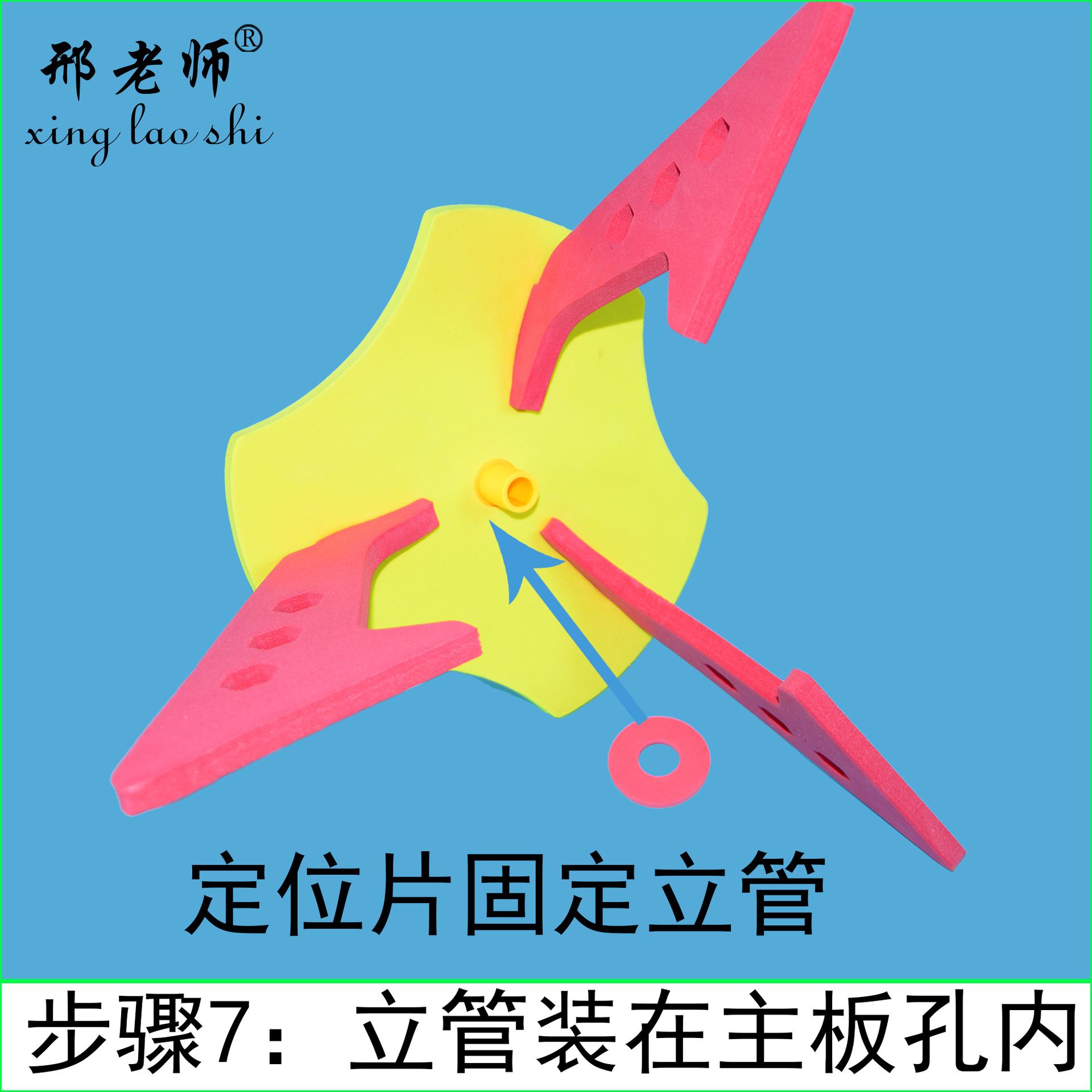
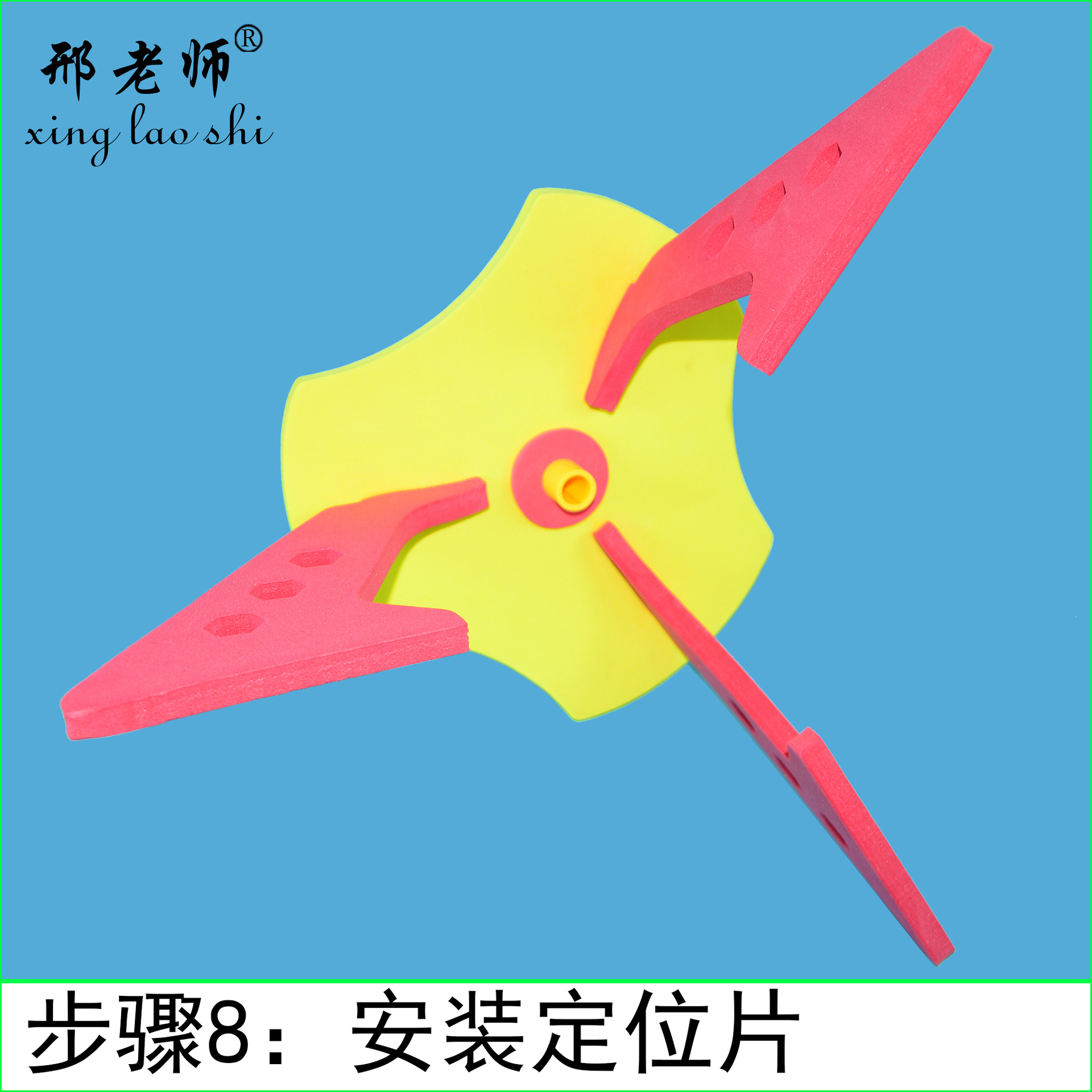
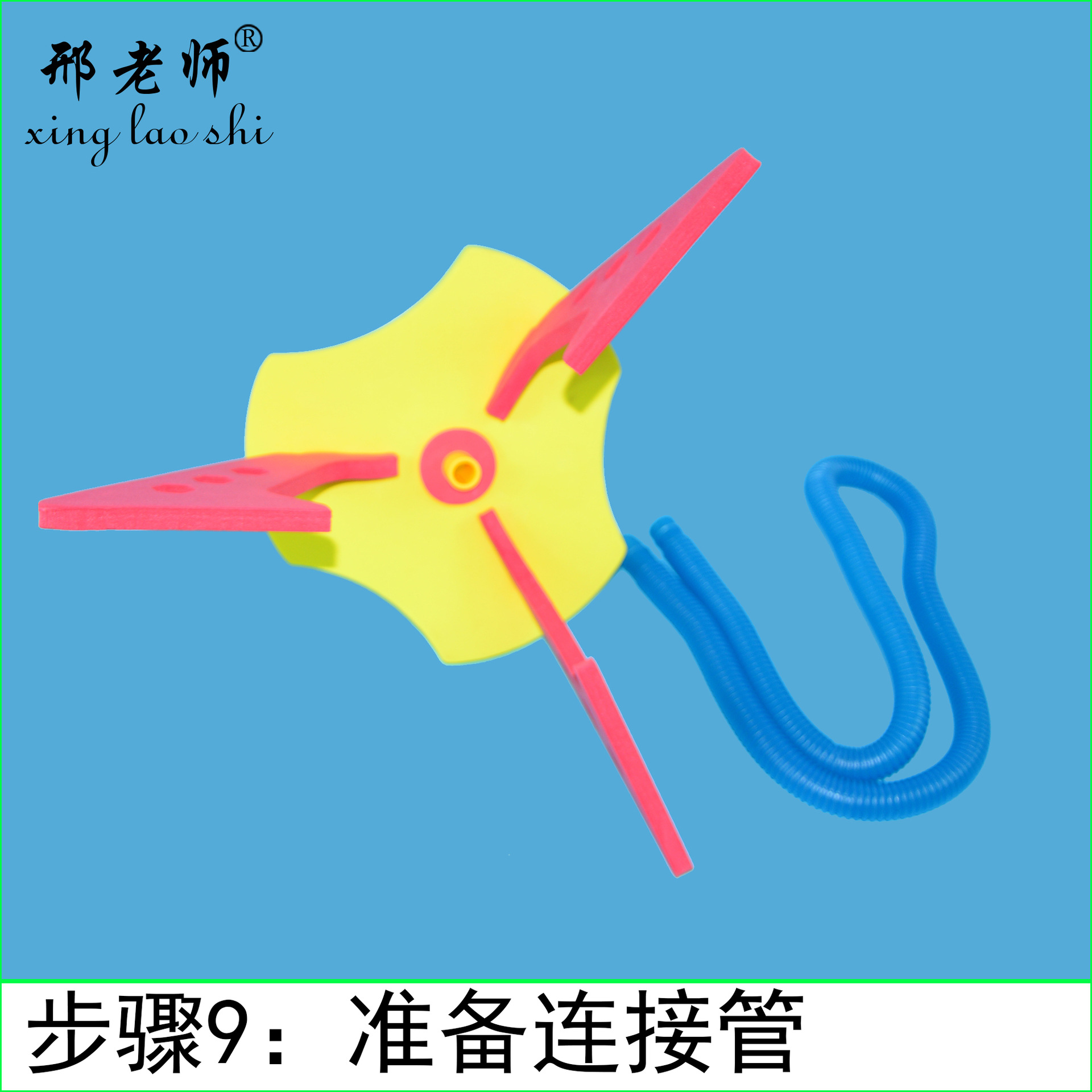

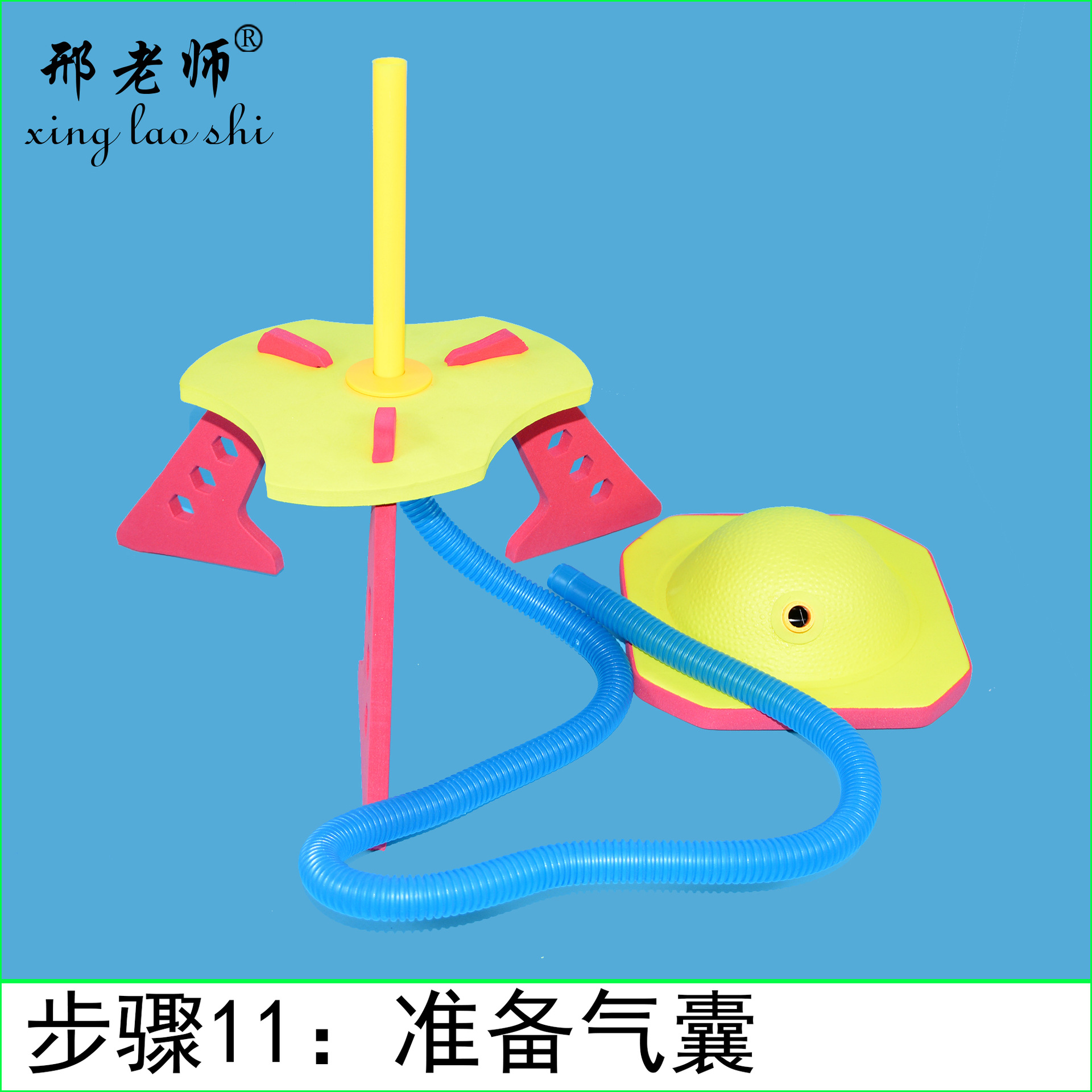



Principle Application:
The foot-powered rocket launcher works on the principle of gas compression. As gas rapidly accumulates in a confined space, an explosion occurs, causing the device to launch into the air. This helps students understand the properties of acids and bases, truly achieving education through entertainment. According to Newton's laws of mechanics, for two interacting objects, the action and reaction forces always exist simultaneously, with equal magnitudes and opposite directions. Therefore, any movement can be broadly described as a reaction motion. Two examples are: first, a ship, where the propeller moves water on the surface, and the water’s reaction force propels the ship forward; second, a jet engine, where fuel combustion causes expanding gas to be ejected backward at high speed, providing the engine with a thrust opposite to the gas ejection direction, thus moving the engine forward.
Experimental Cognition:
There is no difference between the two types of motion; both are driven by reaction forces. However, based on the characteristics of the reaction forces, there are differences: in one case, the engine itself cannot cause motion; it is merely an energy source. If there is an engine on the ship but no impeller, then no matter how powerful the engine is, the ship will not move. Therefore, in addition to the engine (energy source), there is an intermediate mechanism between the engine and an external object (such as water in this example), which interacts with the external object and bears the resulting reaction force. This intermediate mechanism is commonly called a propeller (such as the impeller in this example); in the second case, there is no intermediate mechanism, and thrust is generated by the reaction of gas against the engine itself. We refer to the first type of motion as indirect reaction motion, and the second type as direct reaction motion. Of course, there are also mixed types where direct and indirect reaction motions coexist, such as turbine Kaplan engines, where part of the engine's energy is transferred to the propeller, while another part generates direct reaction motion through gas flow.
Jet propulsion is a type of direct reaction motion. So what is jet propulsion? It is a propulsion method in which matter is ejected from the object being propelled in the form of gas.
The substance ejected by the jet propulsion laboratory is called propellant; the engine that generates thrust using jet propulsion is called a jet engine. During operation, the interacting objects are the engine itself and the high-speed airflow ejected from its interior. The reaction force generated by the high-speed airflow acts on the engine itself, in the opposite direction of the airflow—this is known as thrust.
Knowledge Expansion:
Jet engines are divided into two major categories:
First is the air jet engine, which uses the atmosphere to generate a jet stream. For example: using oxygen in the atmosphere as an oxidizer to burn fuel and produce a gas jet stream; or heating air in a nuclear heat exchanger, and then discharging it through a nozzle.
Second is the rocket engine, which is a jet engine that carries all the propellant materials itself. For example: it contains oxidizers and combustion agents to generate a gas jet.
The thrust and velocity achieved by the rocket engine far exceed those of conventional propulsion methods. This type of engine does not rely on surrounding medium conditions and can operate in space environments. This characteristic ensures that the thrust generated by the engine remains constant regardless of air acceptance capabilities at various flight speeds. This also allows the rocket (engine) to achieve much higher flight velocities than any other type of engine. Secondly, due to direct reaction motion with no intermediate mechanisms, and the absence of motion mechanisms that limit operating temperature in the main ejection channel, the structure of the rocket engine is simple, yet the thrust produced is very large.
Knowledge Extension
In ancient times, arrows were equipped with fire-starting materials attached to the bowhead, which were then shot at the enemy to cause burning. According to "Records of the Three Kingdoms · Book of Wei · Annals of Emperor Ming": "When Zhuge Liang besieged Chencang, Cao Zhen sent General Fei Yao and others to resist." Pei Songzhi’s annotation cites "Wei Lue" by Yu Huan from the Wei dynasty during the Three Kingdoms period: "Zhao (Hao Zhao) then shot rockets at their ladders; the ladders caught fire, and everyone on them died in the flames." Sima Guang of the Song dynasty wrote in "Records of Suishui": "The governor Miao Jixuan used mud to cover the ladders and prepared rockets to attack the rebels." Gu Yanwu of the Qing dynasty wrote in "Account of Qian Jun, Governor of Ruzhou": "The rebels shot rockets at the city wall, and the wall responded with gunfire."
Safety Warning:
All components within this product are specialized equipment for student experiments. Please use it under the supervision and guidance of teachers and parents to ensure safety! All products are prohibited from being eaten. They are not suitable for children under three years of age. Do not bring them close to sources of fire. If using batteries, check that the circuit is unobstructed and all components on the circuit are intact, and that all contacts are properly made. On the battery, + indicates the positive electrode and - indicates the negative electrode. During assembly, be careful not to get glue on your eyes or skin.
Update time:


TOP


