
Search history
Clear allSearch by image
XDrag and drop an image here or upload an image
Max 5MB per image
UploadSign In | Join

Search history
Clear allSearch by image
XDrag and drop an image here or upload an image
Max 5MB per image
UploadSign In | Join
|
fj511 bird of paradise
FJ511 天堂鸟 |
CN¥ 0.0 |
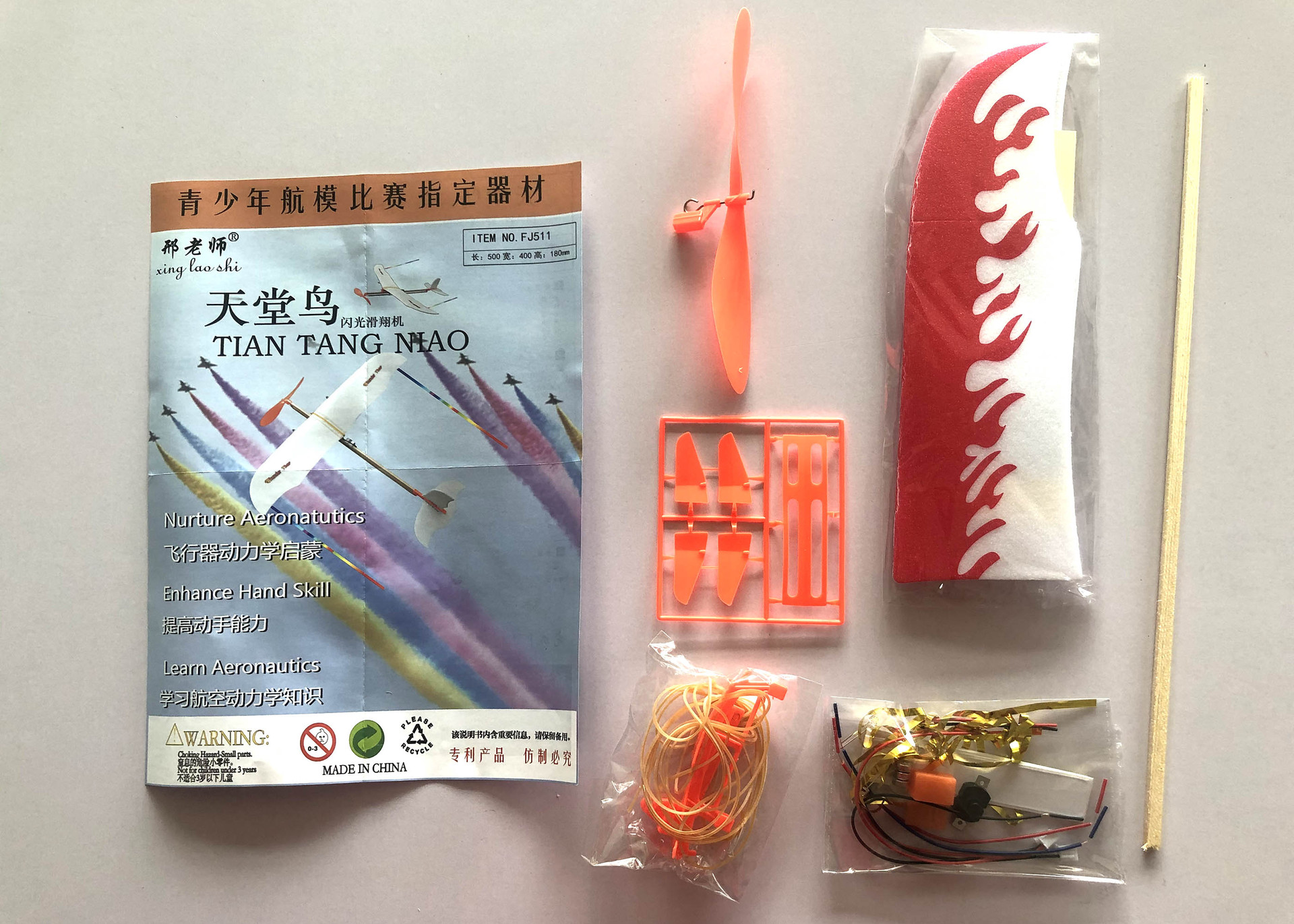
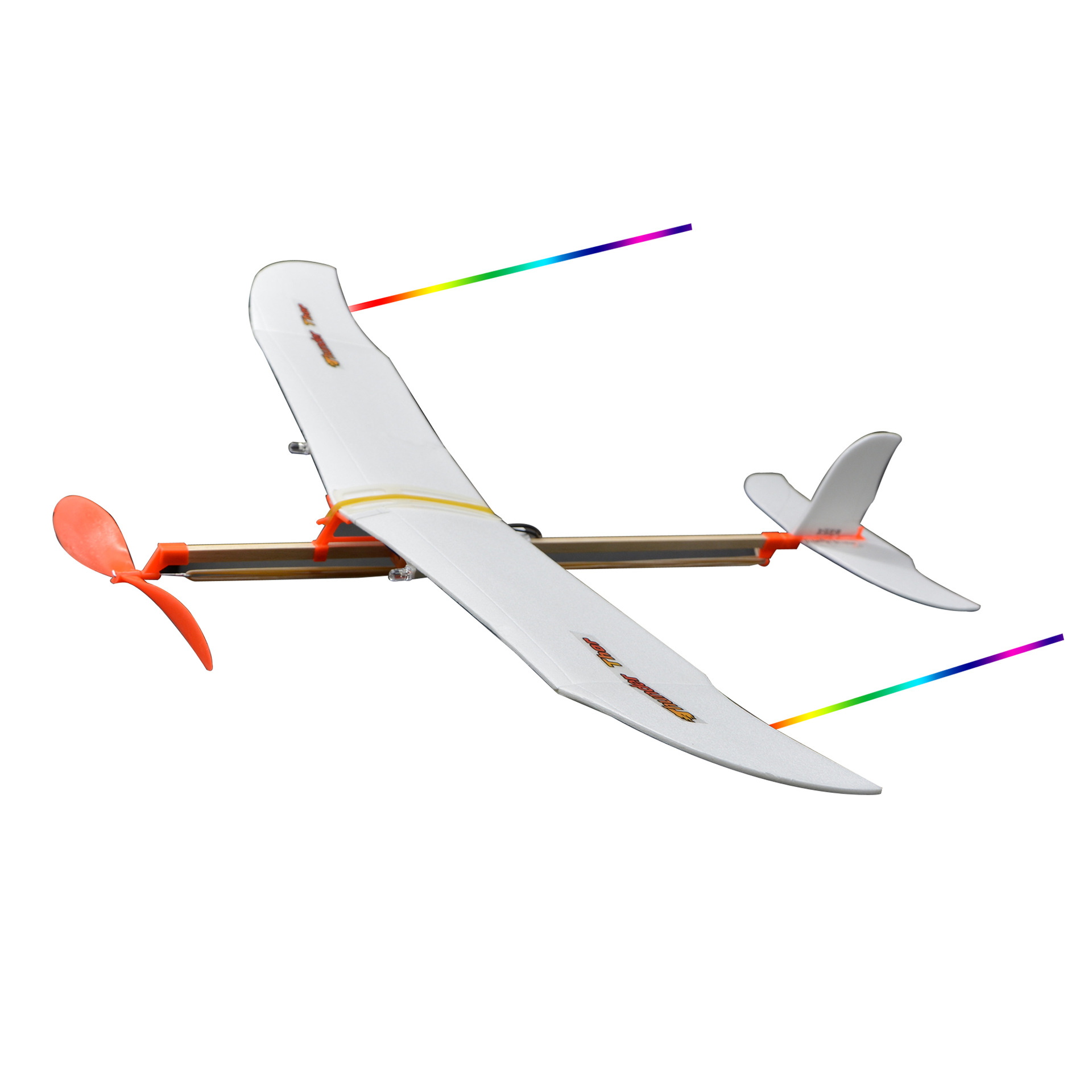
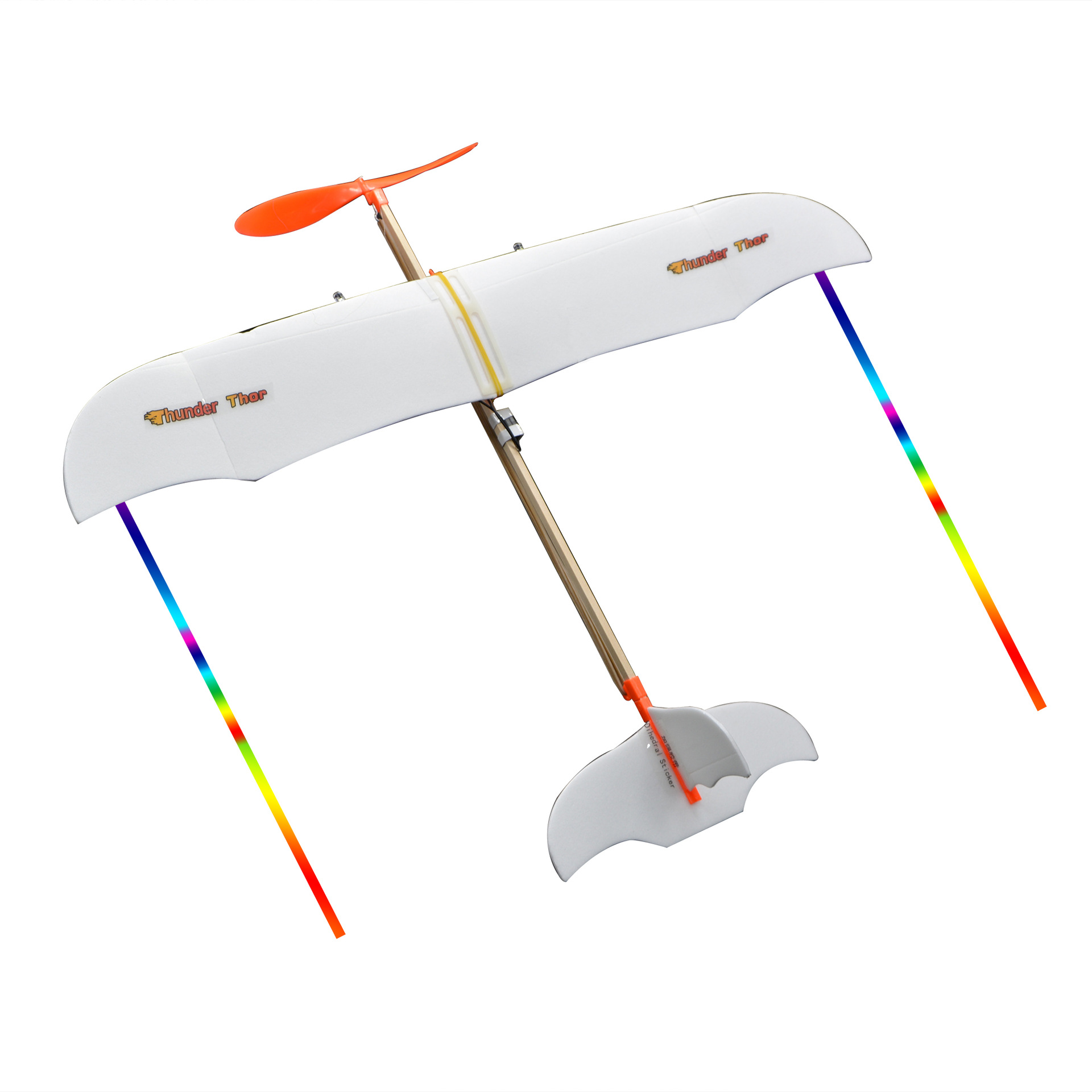
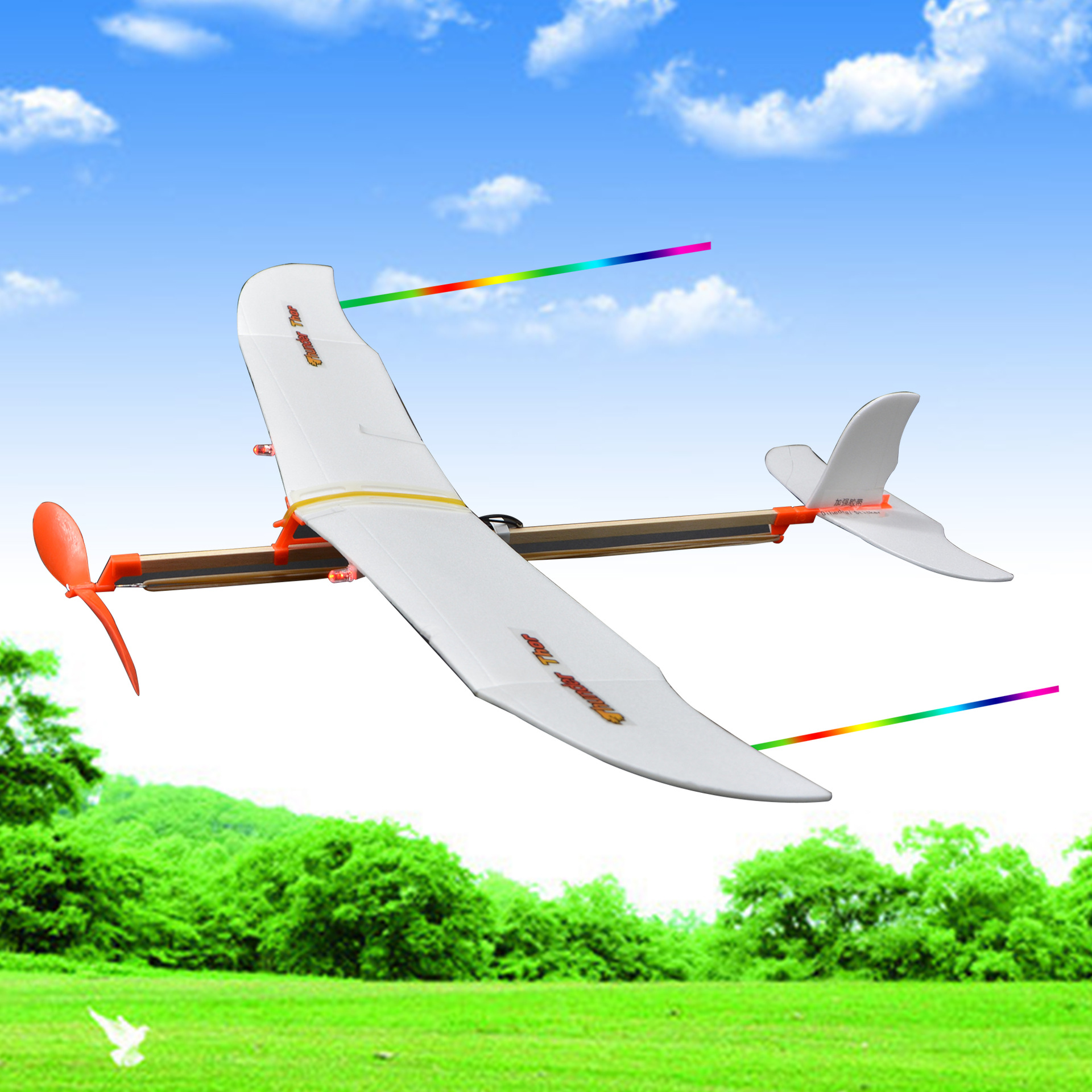
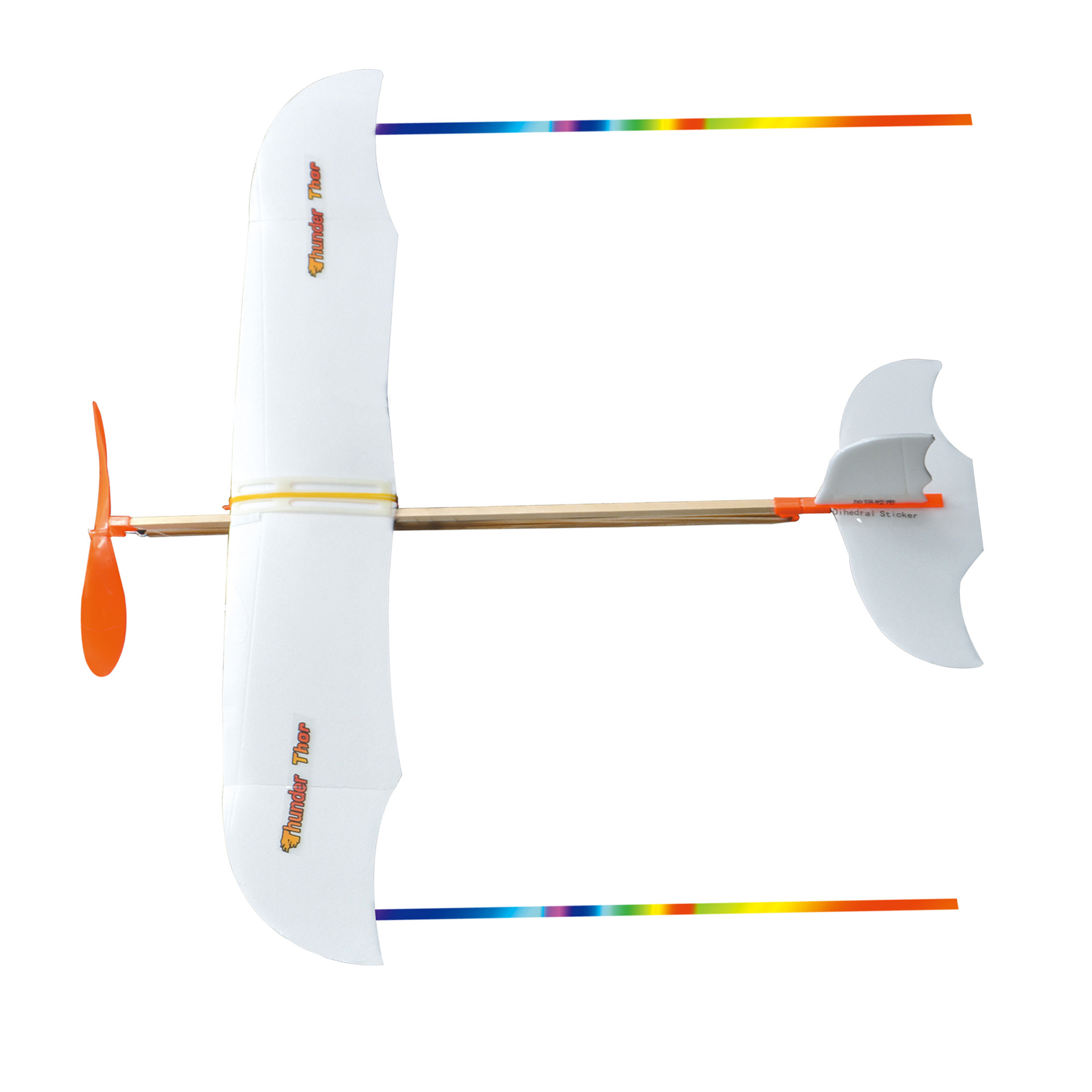
Product Name: FJ511 Paradise Bird Flashing Aircraft
Model Number: FJ511
Size: Wingspan 400mm, Length 500mm
Weight: Approximately 50g
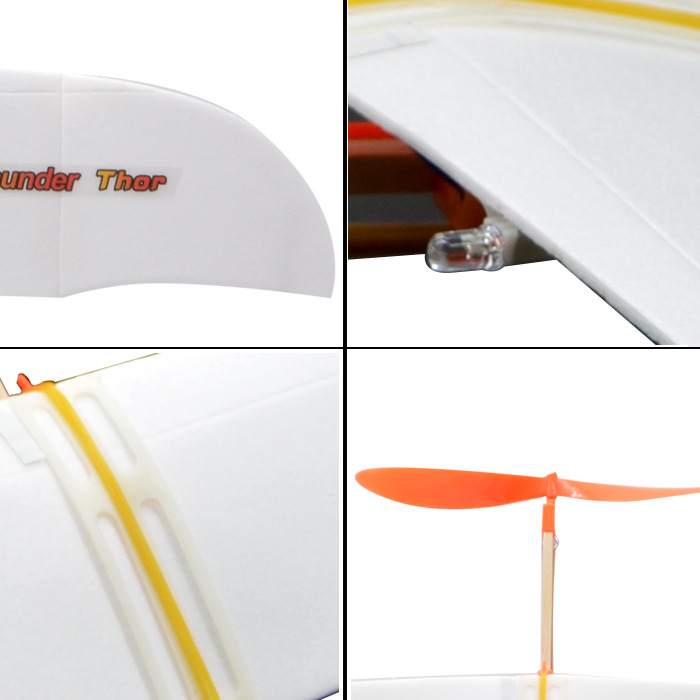
Material: eps + rubber bands + propellers + plastic components + electronic components...
Color: Mixed Color
Does it use a battery: Yes
Packaging: 320 pcs
Box dimensions: 70*41*71 mm
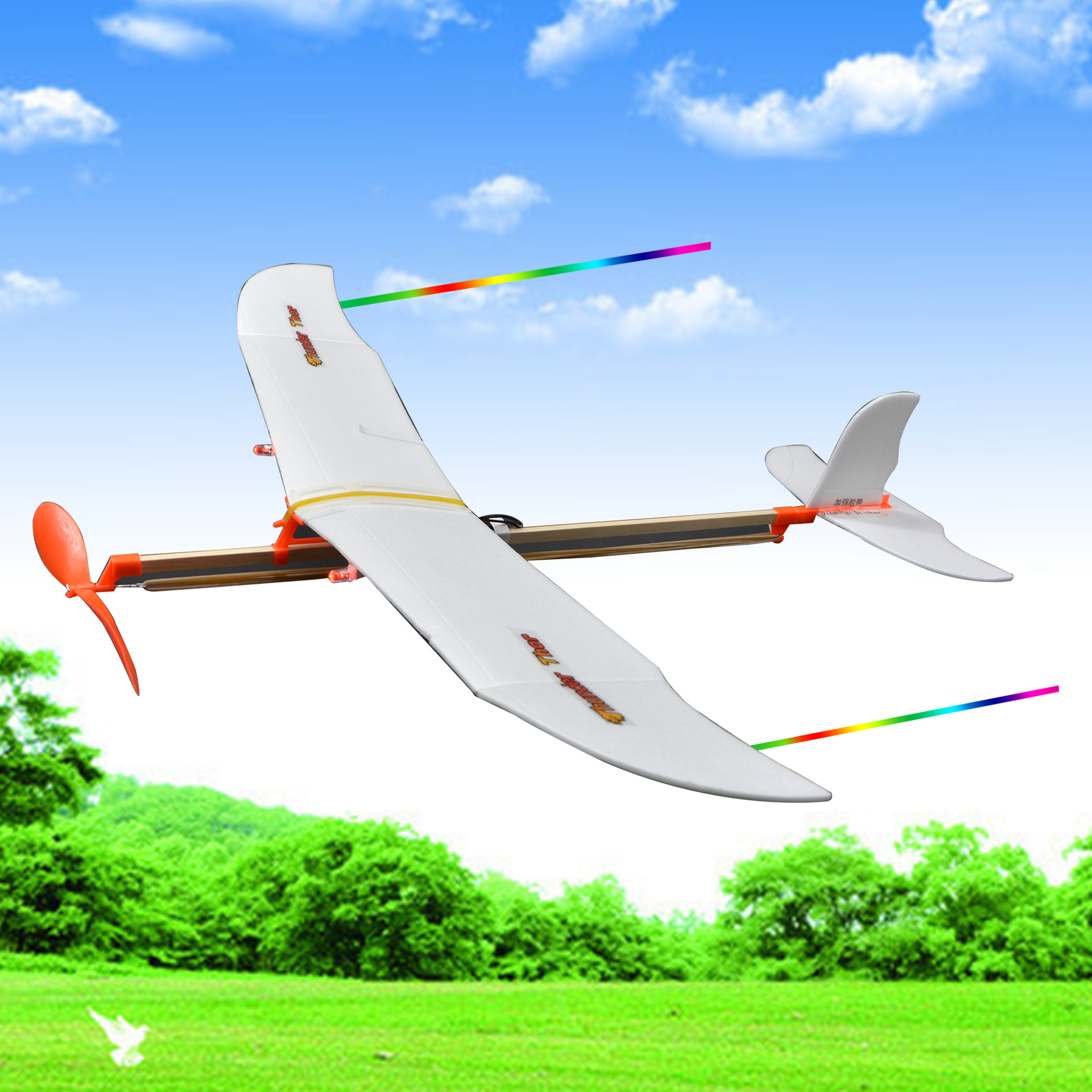
Teaching Point: Understanding wing shape and camber concepts, introductory level aviation knowledge textbook
Product advantages: Introduction to aircraft dynamics, enhances hands-on skills, can fly for up to 60 seconds or more
Usage suggestions:
Children aged 6 and above (with parental guidance)
Students above the second grade can try making things independently.
Problem-solving ability: ★★★
Assembly Difficulty Level: ★★★
Installation and adjustment:
The installation and setup instructions in the product manual are very detailed. Please read them carefully and follow the instructions precisely. Model aircraft require high balance standards, so ensure the installation meets these requirements. Below are some personal insights for your reference; I hope they will be helpful to you.
Flying Guide:
1. Review the model
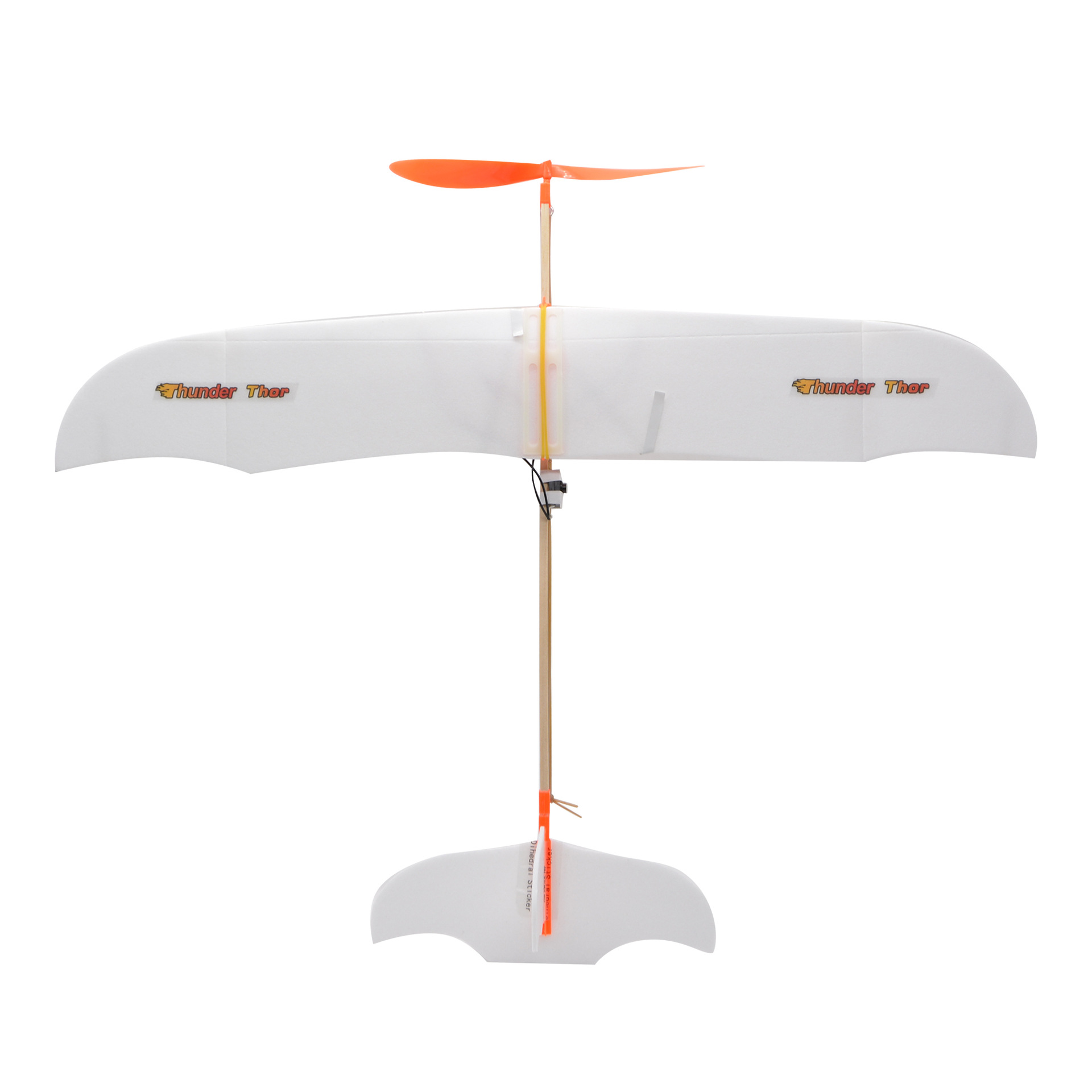
When viewed directly from the head of the model, the properly installed model should be free of distortion and symmetrical on both sides.
2. Model Adjustment
In conditions of no wind or light wind, gently throw the model by adjusting the center of gravity of the handheld head. Adjust the distance between the wing platforms based on the flight posture of the model. Wavy flight indicates a light head, requiring the wing platforms to be moved backward; downward dive indicates a heavy head, requiring the wing platforms to be moved forward.
III. Power Flight
First, rotate the propeller clockwise about 15 times. Then hold the machine with the right hand and support the propeller with the left hand, gently pushing it forward against the wind. Observe the flight path; a circling and ascending attitude is optimal. If you notice the circling radius of the model is too small, make a small cut at the base of the vertical tail wing and bend it in the opposite direction. Once the flight posture is normal, rotate the rubber band 200–220 times for high-power flight. Normally, the rubber band should be straight with a slight relaxation. I think either oiling or not oiling is fine; oiling makes it smoother when rotating, but reduces the lifespan of the rubber band.
The key issue is adjusting the aircraft's center of gravity. The method involves not tightening the rubber band and throwing it directly from the hand in a windless environment. The aircraft should neither lift up nor tilt down significantly. If it lifts, add weight to the nose. Additionally, care must be taken to prevent the aircraft from tilting sideways; if this occurs, adjust the wings on both sides to correct the issue. During the competition, it is generally advisable to throw the aircraft against the wind without using excessive force. Especially when the wind is strong, if too much force is applied by the hand, the aircraft will perform a somersault backward, reducing the flight time.
Safety Warning:
All components within this product are specialized equipment for student experiments. Please use it under the supervision and guidance of teachers and parents to ensure safety! All products are prohibited from being eaten. They are not suitable for children under three years of age. Do not bring them close to sources of fire. If using batteries, check that the circuit is unobstructed and all components on the circuit are intact, and that all contacts are properly made. On the battery, + indicates the positive electrode and - indicates the negative electrode. During assembly, be careful not to get glue on your eyes or skin.
Update time:


TOP


