
Search history
Clear allSearch by image
XDrag and drop an image here or upload an image
Max 5MB per image
UploadSign In | Join

Search history
Clear allSearch by image
XDrag and drop an image here or upload an image
Max 5MB per image
UploadSign In | Join
|
mixed wholesale
混批 |
CN¥ 0.0 |
axle
Scientific Insights:
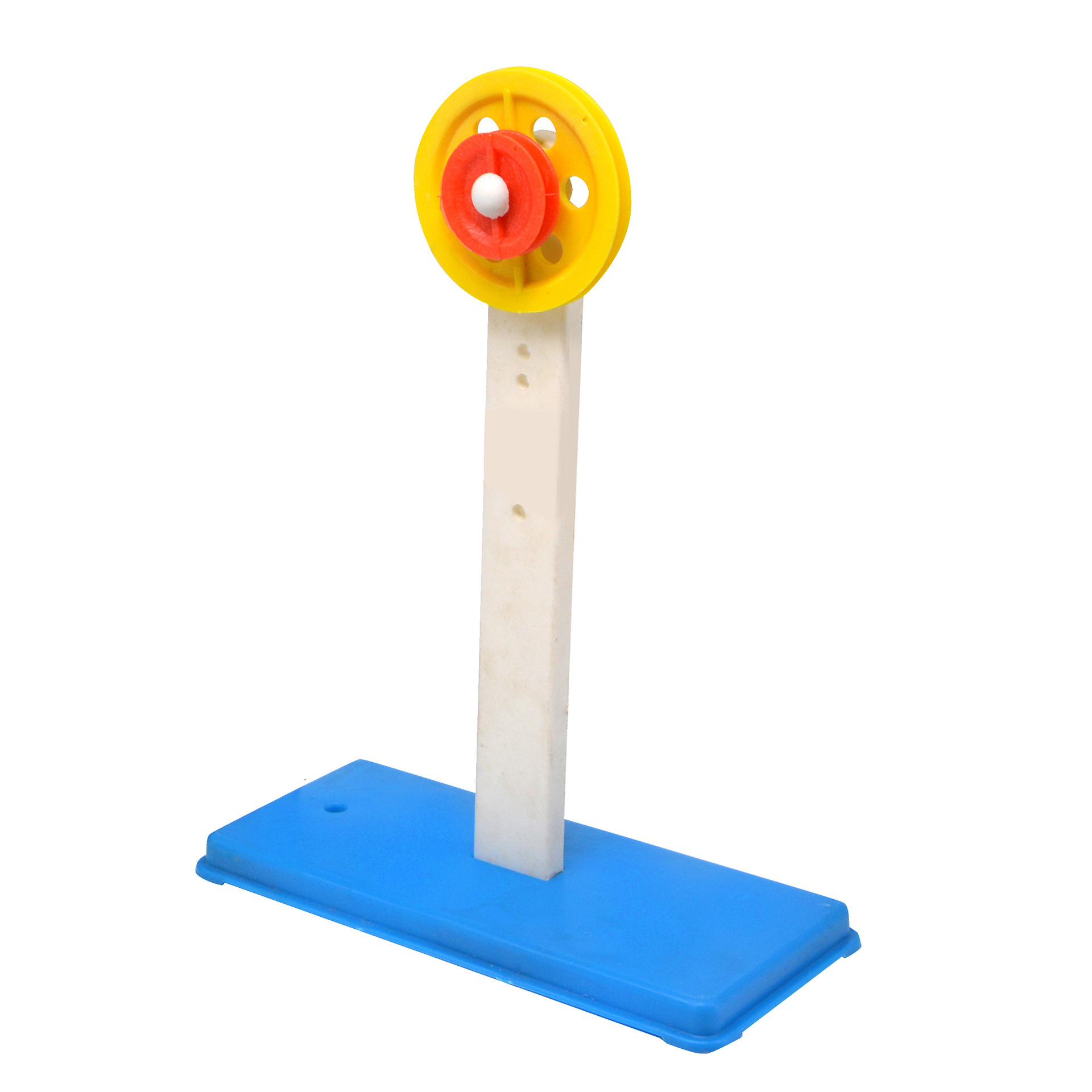
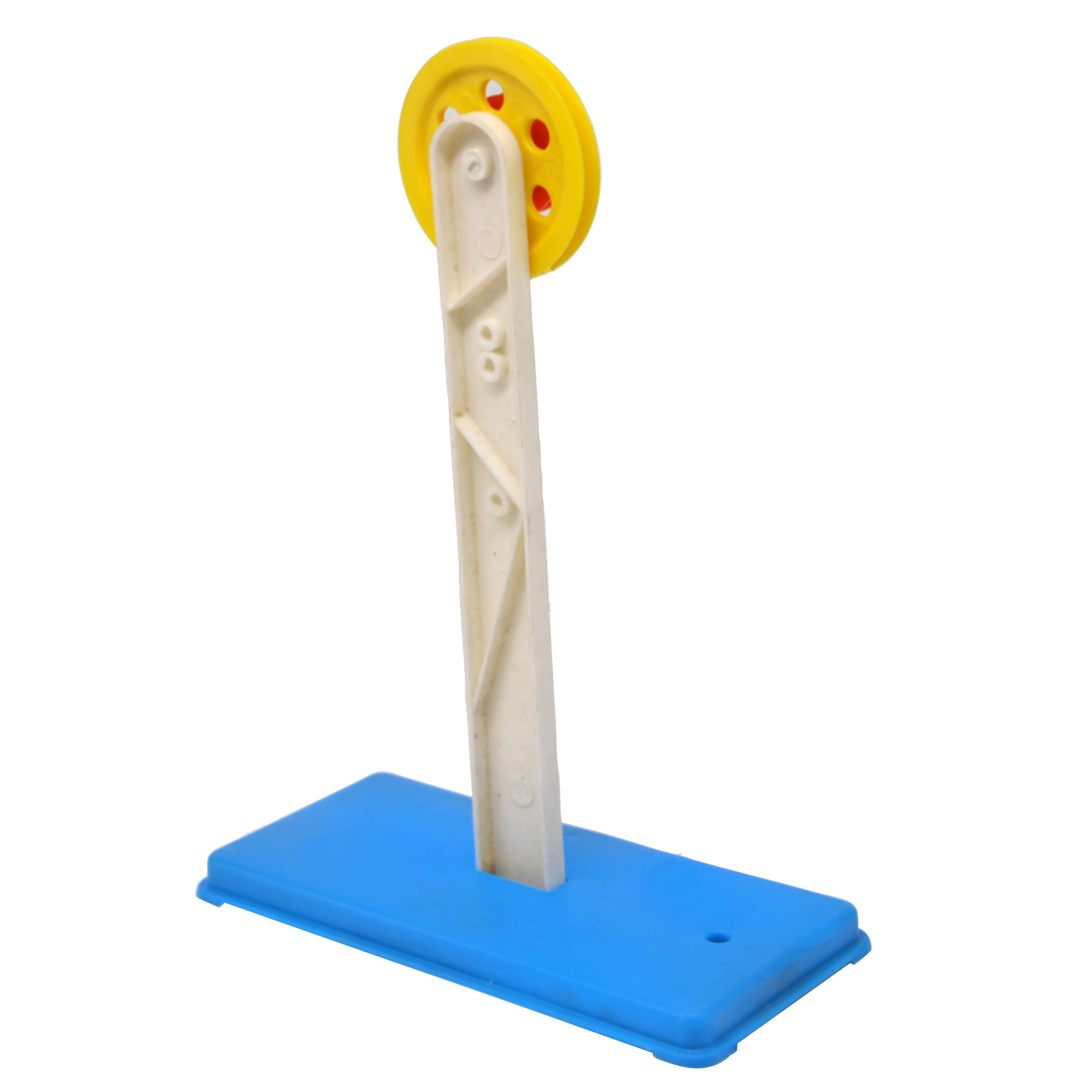
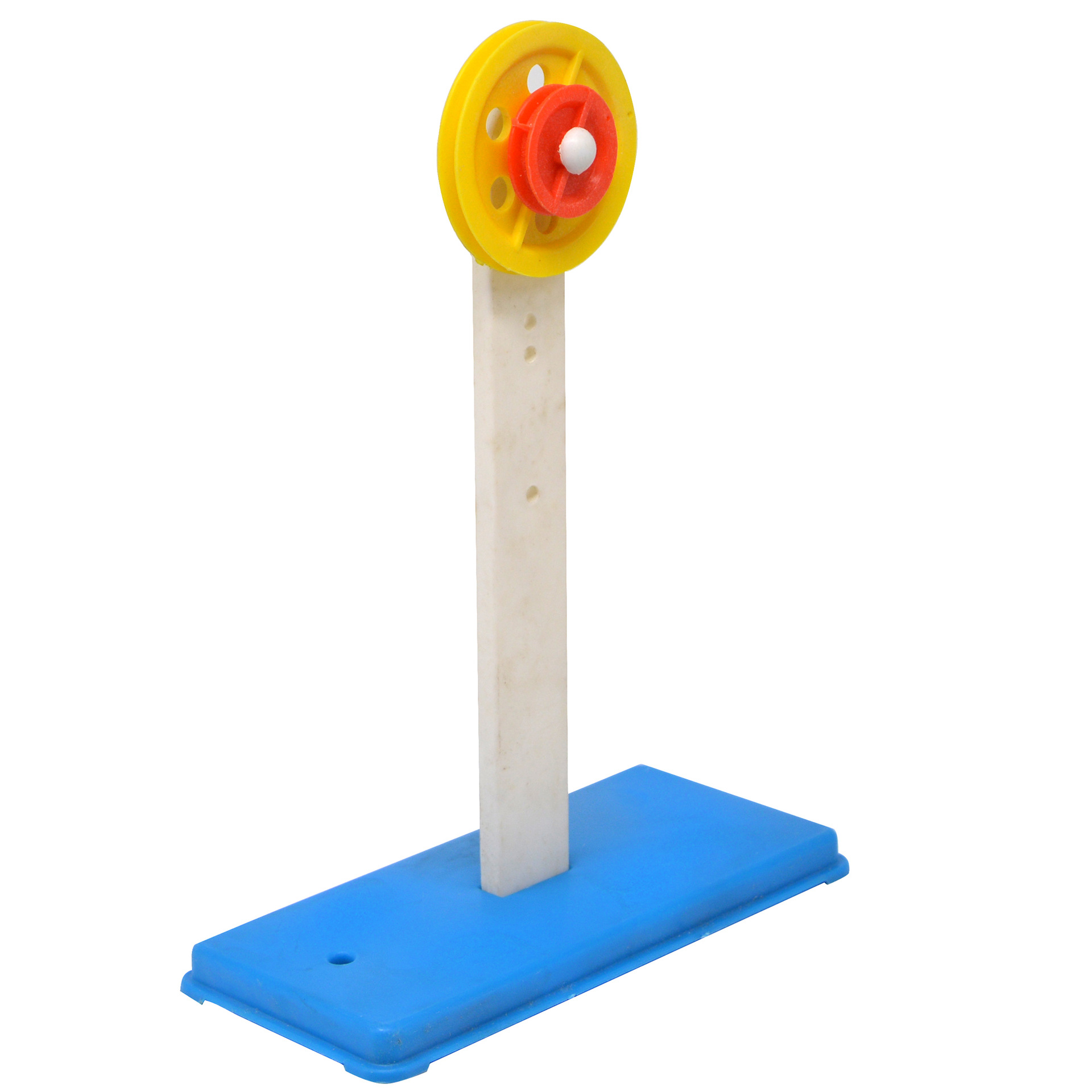
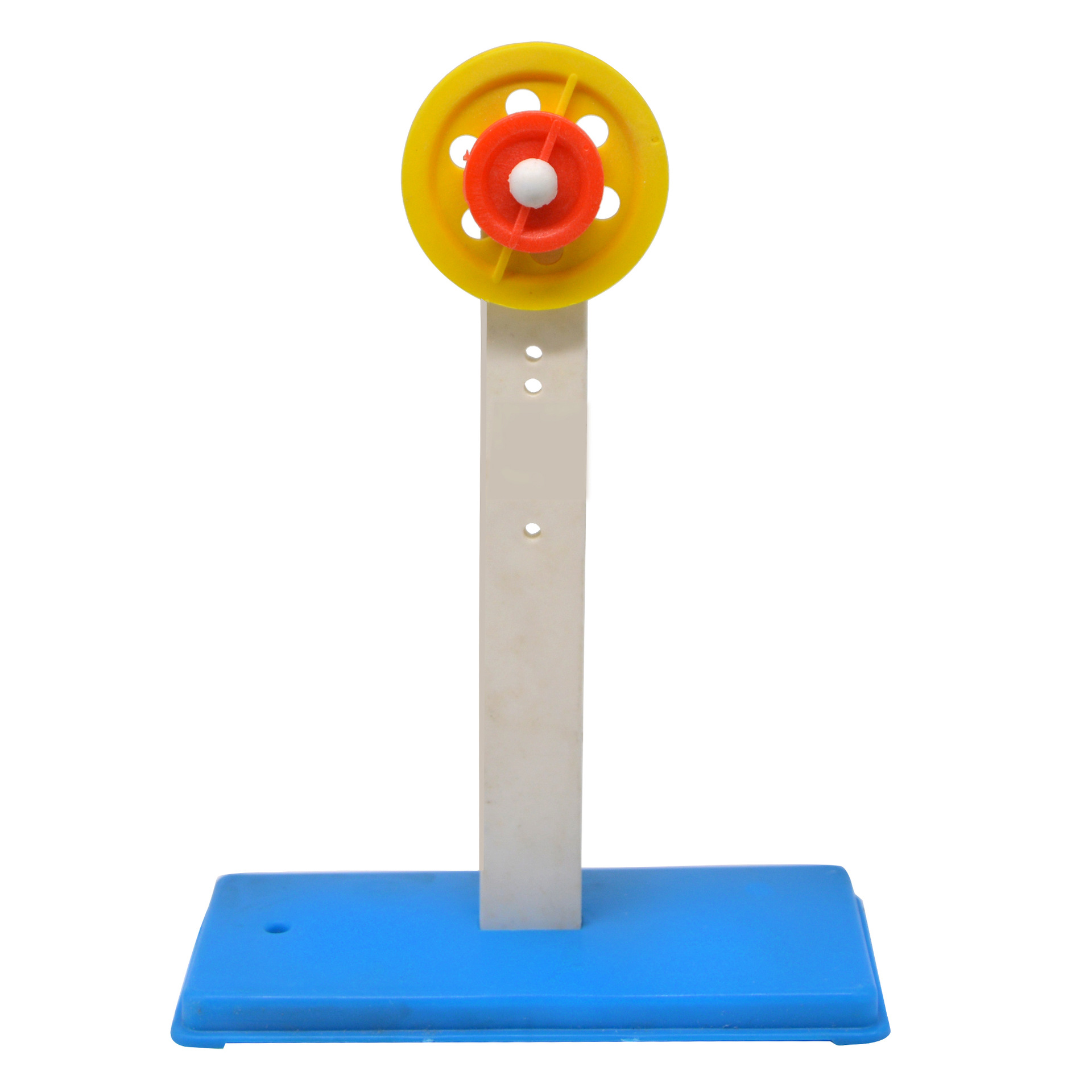
Axle, as the name suggests, is a system composed of a "wheel" and an "axle". This system can rotate around the common axis, similar to a lever system with the axis as the fulcrum and the radius as the lever arm. Therefore, the axle can change the torque moment, thereby altering the magnitude of the torque. Common mechanical devices in daily life such as windmills, winches, stone mills, car control consoles, wrenches, hand-cranked winches, and the twist handle of a water tap are all types of axle-based machinery.
Scientific Principles:
The essence of a wheel and axle is the continuous rotation of a lever. When using a wheel and axle, generally, the lines of action of the forces acting on the wheel and the axle are tangent to both the wheel and the axle. Therefore, their lever arms are equal to the respective wheel radius and axle radius. Since the wheel radius is always greater than the axle radius, when power acts on the wheel, the wheel and axle acts as a lever that saves effort but increases the distance (the first diagram below). Real-world examples include bicycle pedals and wheel spokes (large gears), which are wheel and axles that save effort. When power acts on the axle, the wheel and axle acts as a lever that requires more effort but reduces the distance (the second diagram below). Real-world examples include the rear wheel of a bicycle and the disc on the wheel (small gear), as well as the fan blades and axle of an electric fan—all are applications of a wheel and axle that require more effort. F1R = F2r. A wheel and axle is a simple machine that saves effort. (The larger wheel radius and smaller axle radius result in less effort required.)
Scientific Production:
1,Identify and prepare the materials required for the experiment.
2,Follow the steps in the manual carefully during installation.
3After installation, proceed with debugging.
Scientific Expansion:
Archimedes from ancient Greece was the earliest inventor of pumps in history. Archimedes was born in BC287The ancient city of Syracuse in Greece during that year. At that time, Syracuse was experiencing unprecedented economic prosperity, and there was a strong spirit of scientific research. Many people in the city had extensive knowledge in philosophy and geometry. They enjoyed debates and saw them as opportunities for learning. Archimedes grew up in such an environment and developed a habit of thinking deeply and learning. One Sunday, Archimedes and his classmates sailed on a wooden boat slowly along the Nile River. The beautiful scenery on both banks was overwhelming. Suddenly, he saw a group of people carrying water in wooden barrels and asked, "Why do they carry water?"?“The riverbed is low, while the farmland is high, so farmers have to carry water to irrigate the land.” A local student told him. “This method is too inefficient; it’s hard to figure out how many buckets are needed to water an entire field.” Archimedes felt sympathy for the farmers. After returning, the image of farmers struggling while carrying water always flashes before阿基米德’s eyes. “Could the water flow upward?”?"Archimedes began to think about this problem. Gradually, an idea came to his mind: 'Create a large spiral and place it in a cylinder. In this way, when the spiral rotates, the water can be carried along the spiral grooves to higher levels.'"?"Archimedes immediately drew a sketch based on this idea. He took the sketch to a carpenter and asked him to make a tool for pumping water. Under Archimedes' guidance, the carpenter created a strange device. Archimedes moved this device to the riverbank, placed one end in the river water, and then gently turned the handle. 'Gurgle,' and the river water flowed out continuously from the top of the strange device as the handle was turned. As expected, the water flowed upward."

Update time:


TOP


