
Search history
Clear allSearch by image
XDrag and drop an image here or upload an image
Max 5MB per image
UploadSign In | Join

Search history
Clear allSearch by image
XDrag and drop an image here or upload an image
Max 5MB per image
UploadSign In | Join
|
mixed wholesale
混批 |
CN¥ 0.0 |
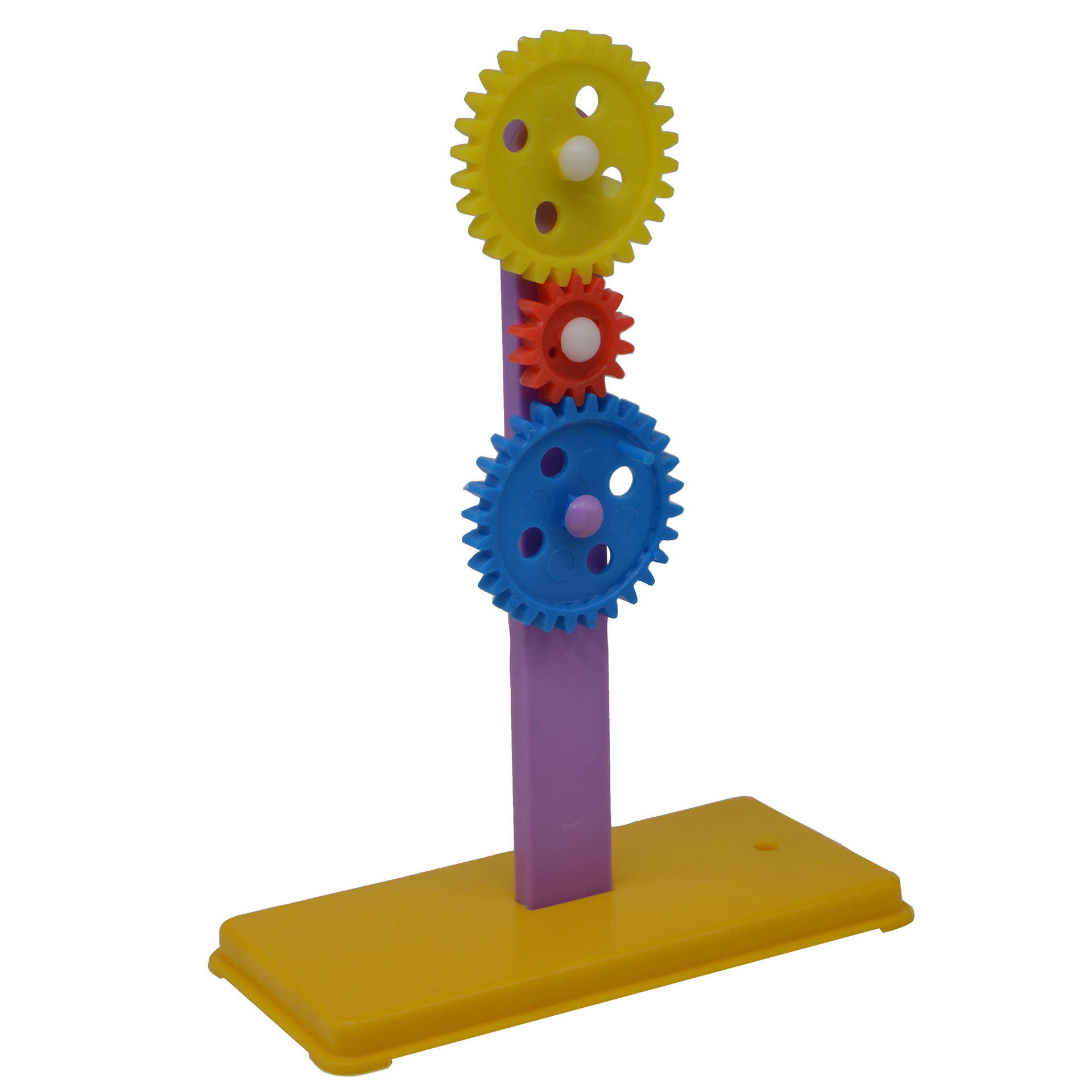
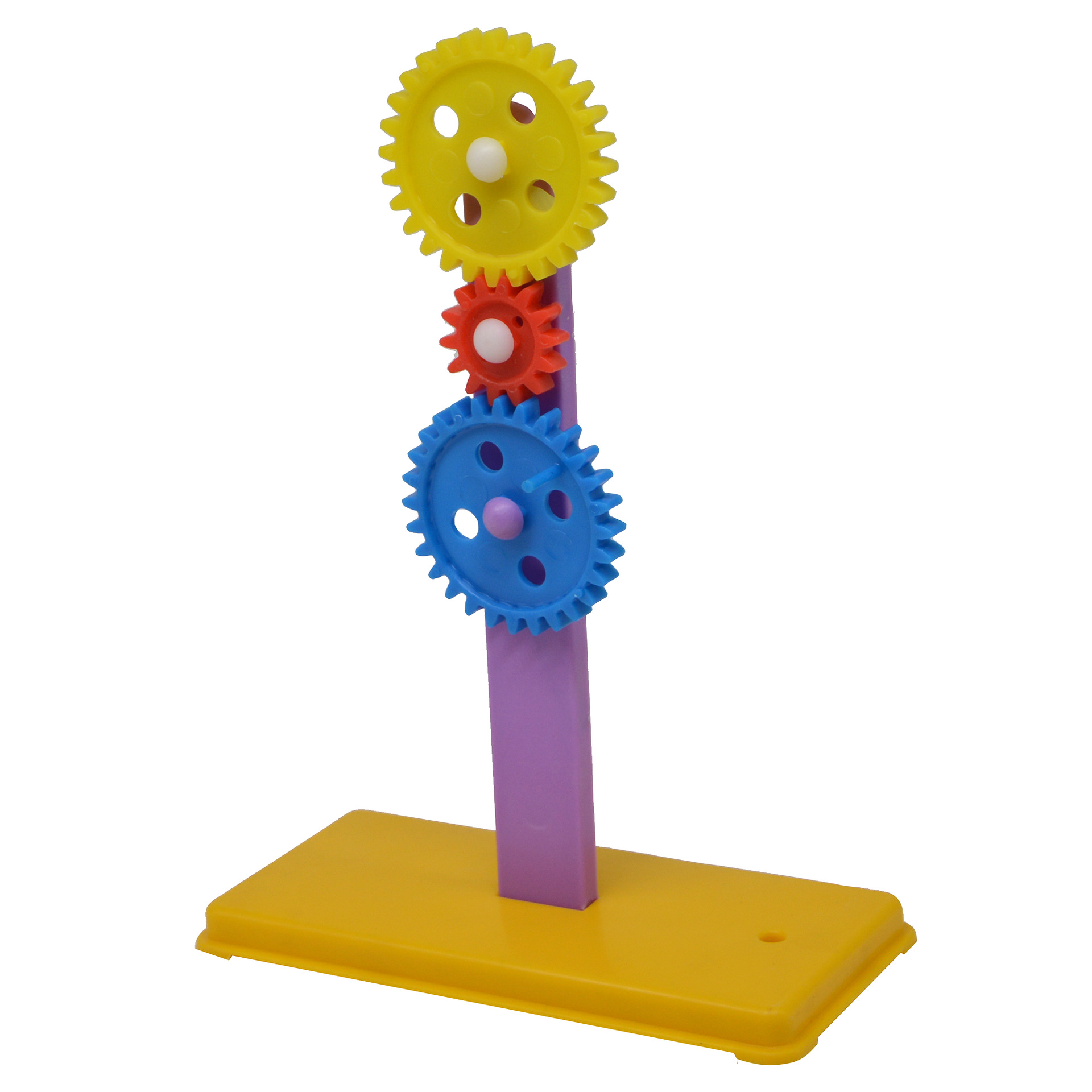
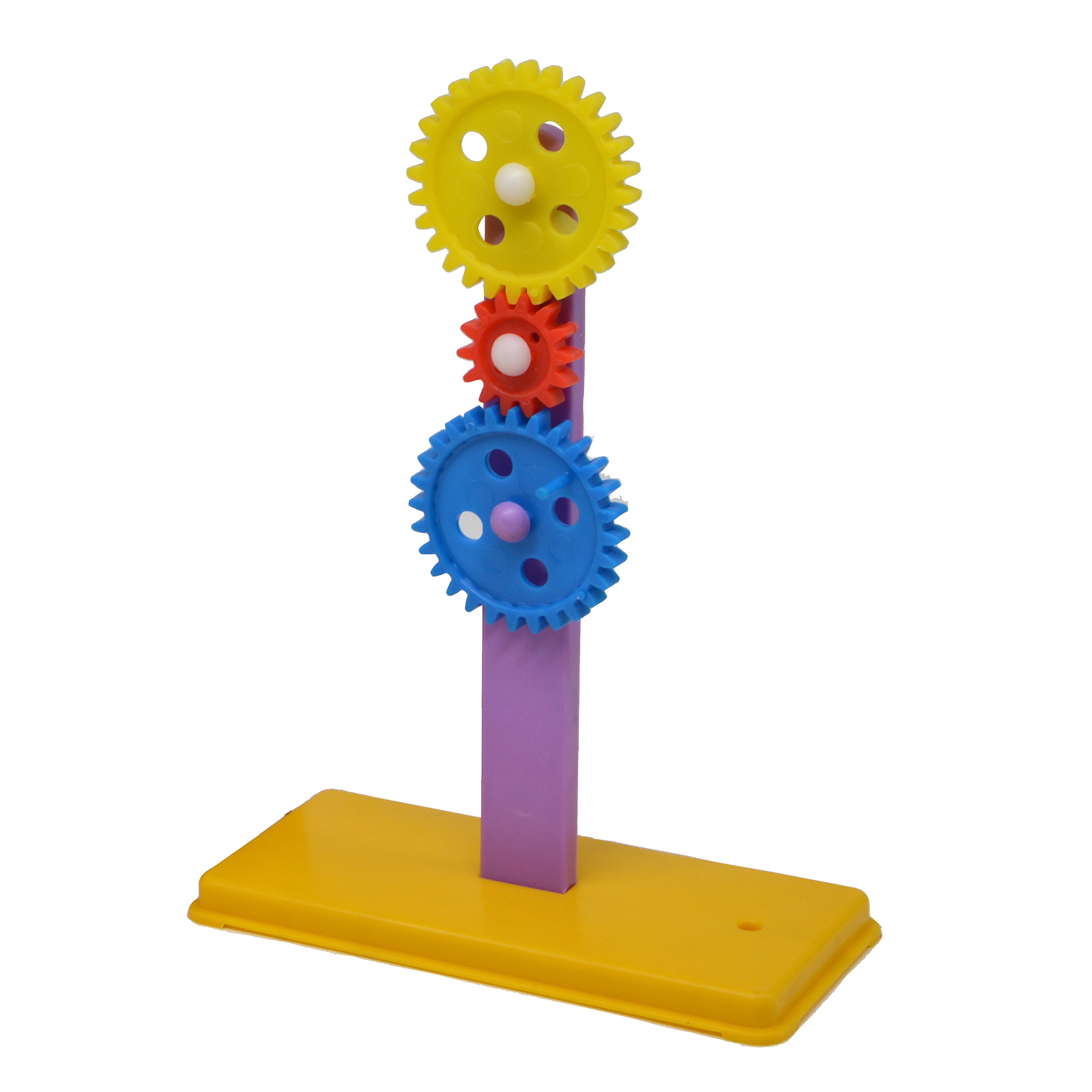
Gear set
Scientific Insights:
The origin of gears can be traced back to the Ptolemaic dynasty in ancient Egypt during the 2nd and 3rd centuries BC. At that time, end-face gears or umbrella gears were commonly used to drive a very rough small gear assembly resembling a "lantern"; this small gear assembly consisted of two simple rings connected by a lattice cage or grid cage, with both ends of the rings loosely engaged by the gears. In Europe, Asia, and Africa, water-lifting devices using gears were widely used, and for many centuries, many villages had only one set of gears.But around 500 BC1In the centuries that followed, it was observed that gears could be used to combine the horizontal mill with the vertical water wheel (two later inventions); Vitelausius, when describing how a vertical water wheel, end-gear, and “lanterns” drove the mill, was the first to introduce gears. The adoption of this type of mill was slower than that of the horizontal one, but in the early Middle Ages, at least in the lowland countries of Europe and some densely populated areas in the Muslim world, it became a common method for grinding flour.
Now that we know the origin of gears, let’s get started and create just one set of small gears together.
Scientific Principles:
Gear transmission is a form of power transmissionThe principle of gear transmission is quite simple. It involves a pair of gears with the same module (shape of teeth) engaging with each other to transfer power from shaft A to shaft B, thereby achieving power transmission.Its features include: reliable power transmission, and the speed ratio can be adjusted by altering the relative number of teeth.
Scientific Production:
1,Identify and prepare the materials required for the experiment.
2,Follow the steps in the manual carefully during installation.
3After installation, proceed with debugging.
Scientific Expansion:
Gear transmission is a mechanical transmission system that uses the teeth of two gears to mesh with each other to transfer power and motion. Based on the relative position of the gear axes, it can be divided into parallel-axis cylindrical gear transmission, intersecting-axis bevel gear transmission, and staggered-axis helical gear transmission. It features a compact structure, high efficiency, and long service life. Gear transmission refers to a device that uses the teeth of the driving and driven gears directly to transmit motion and power. Among all mechanical transmissions, gear transmission is the most widely used, and can be used to transmit motion and power between two shafts that are not far apart in position.The characteristics of gear transmission are: smooth operation, precise transmission ratio, reliable performance, high efficiency, long lifespan, and a wide range of power, speed, and size applications. For example, the power transmitted can range from very small amounts to several hundred thousand kilowatts; the maximum speed can reach300 m/s; The diameter of gears can range from a few millimeters to over twenty meters. However, manufacturing gears requires specialized equipment, and meshing transmission generates noise.


Update time:


TOP


