Search history
Clear allSearch by image
XDrag and drop an image here or upload an image
Max 5MB per image
UploadSign In | Join

Search history
Clear allSearch by image
XDrag and drop an image here or upload an image
Max 5MB per image
UploadSign In | Join
Note: This product no longer comes with a light.
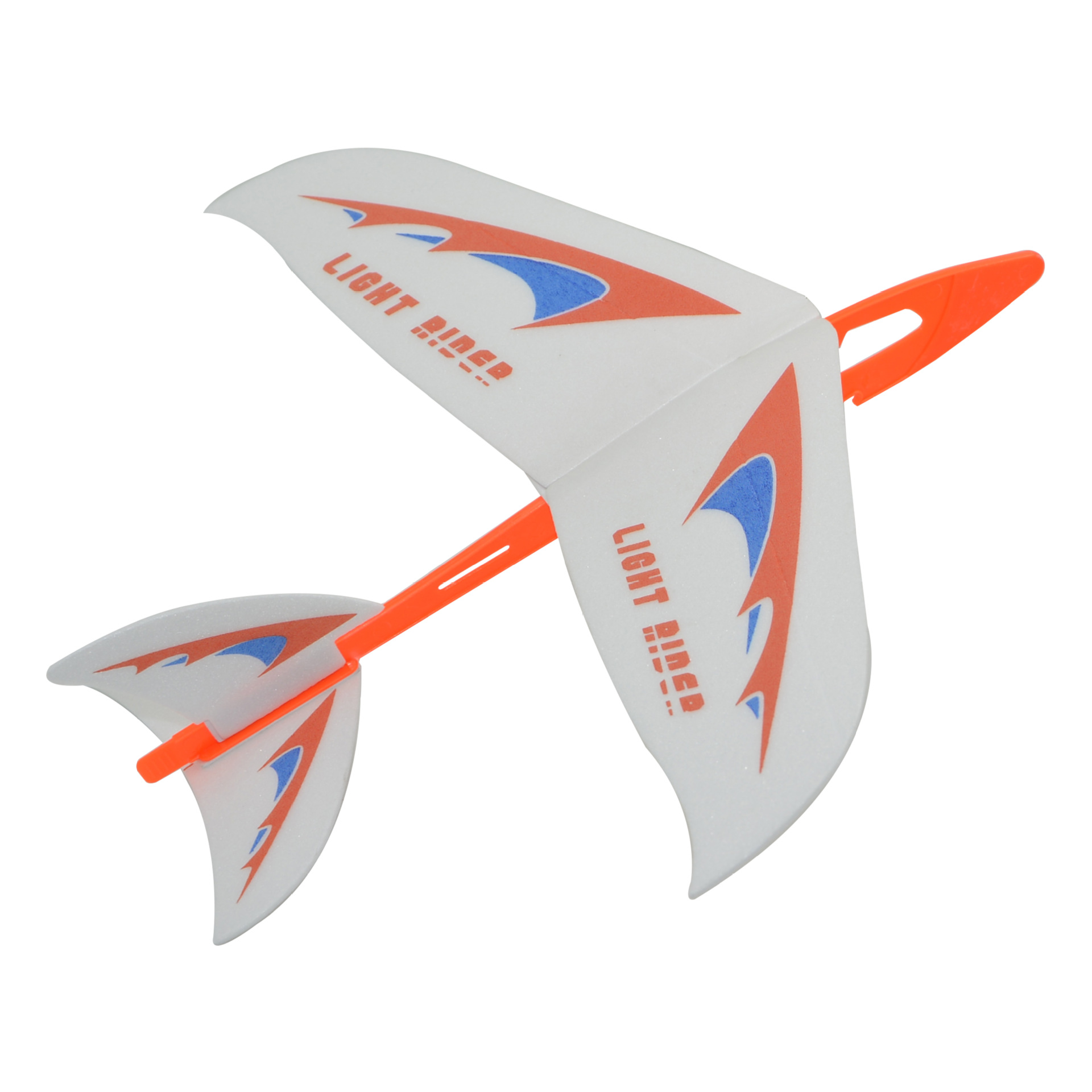
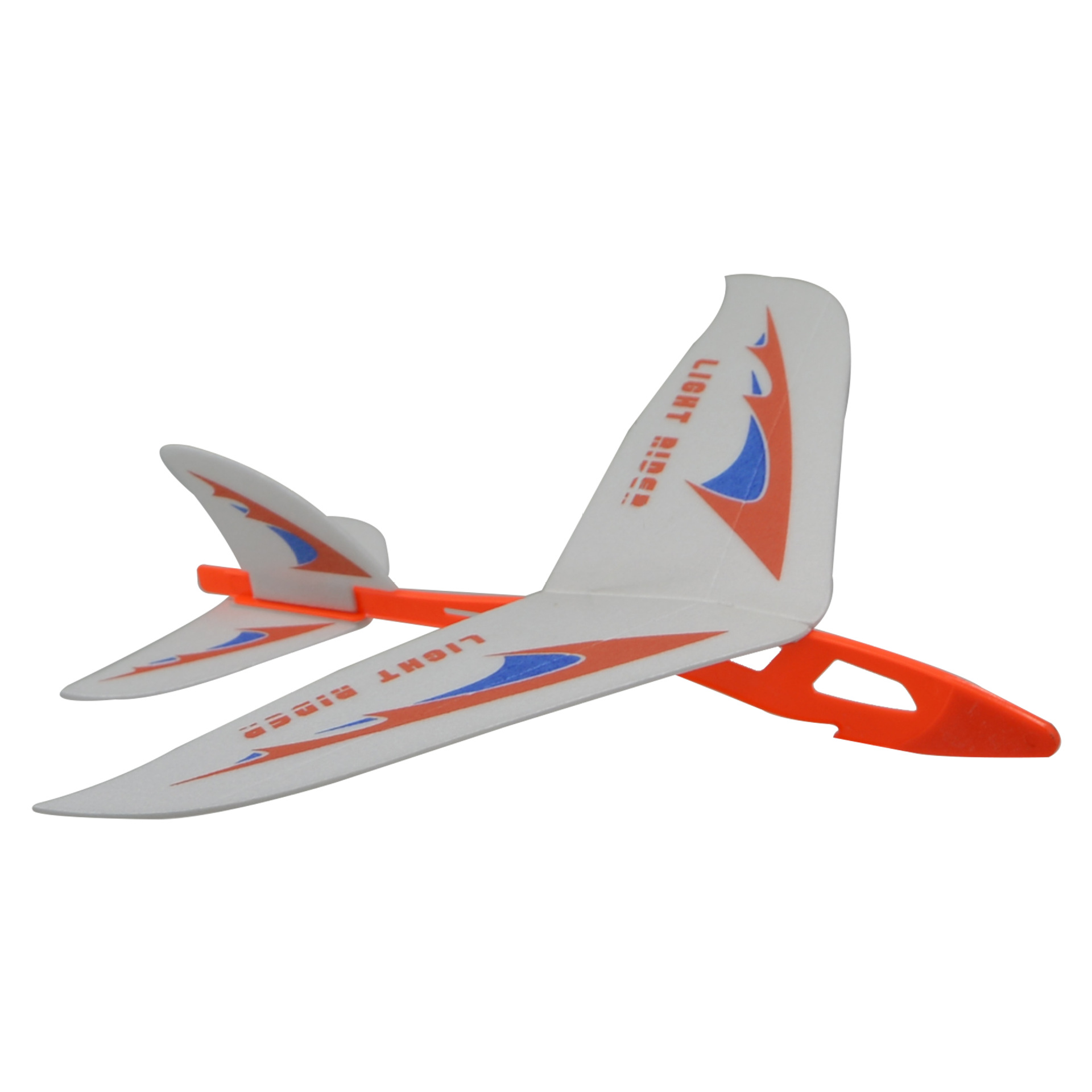
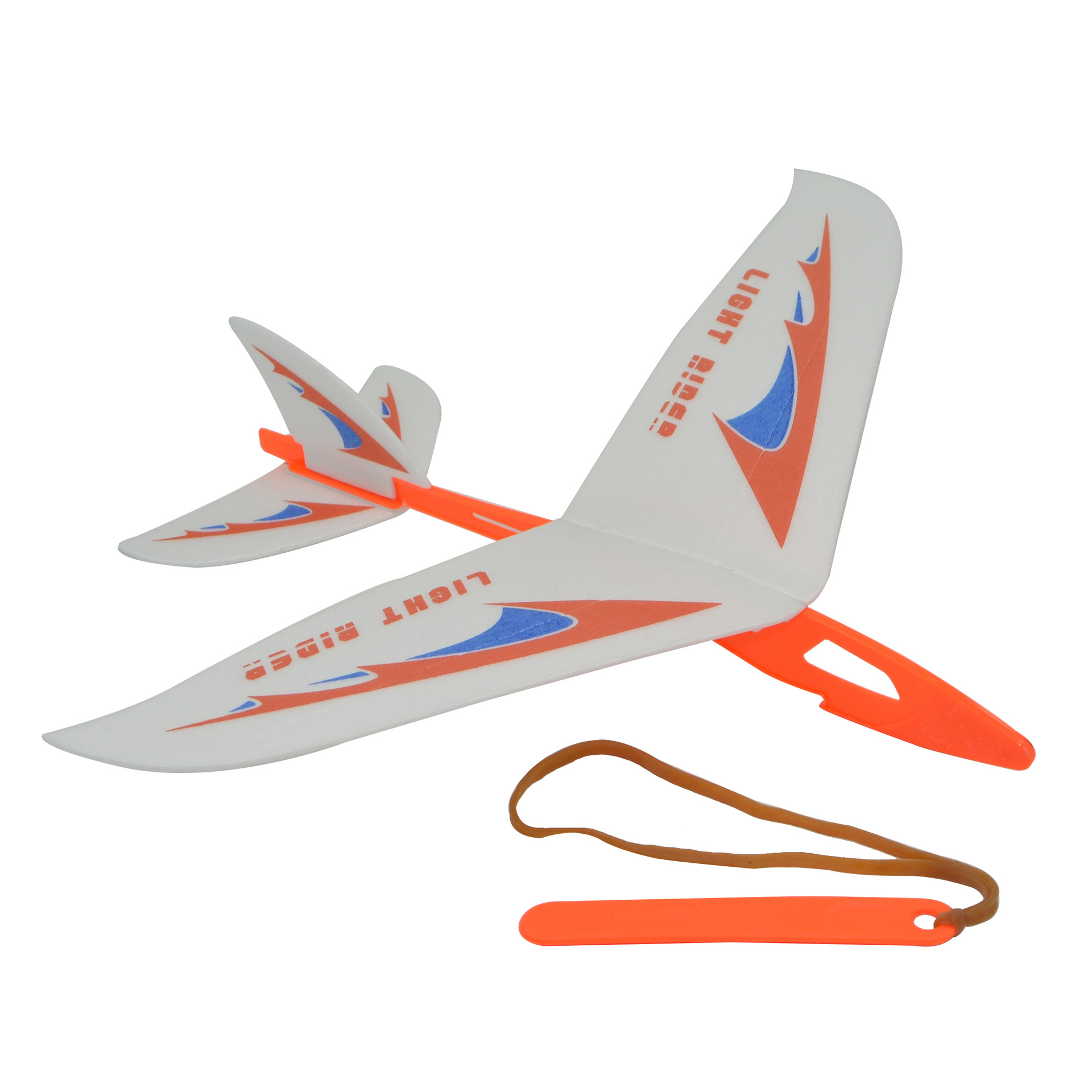
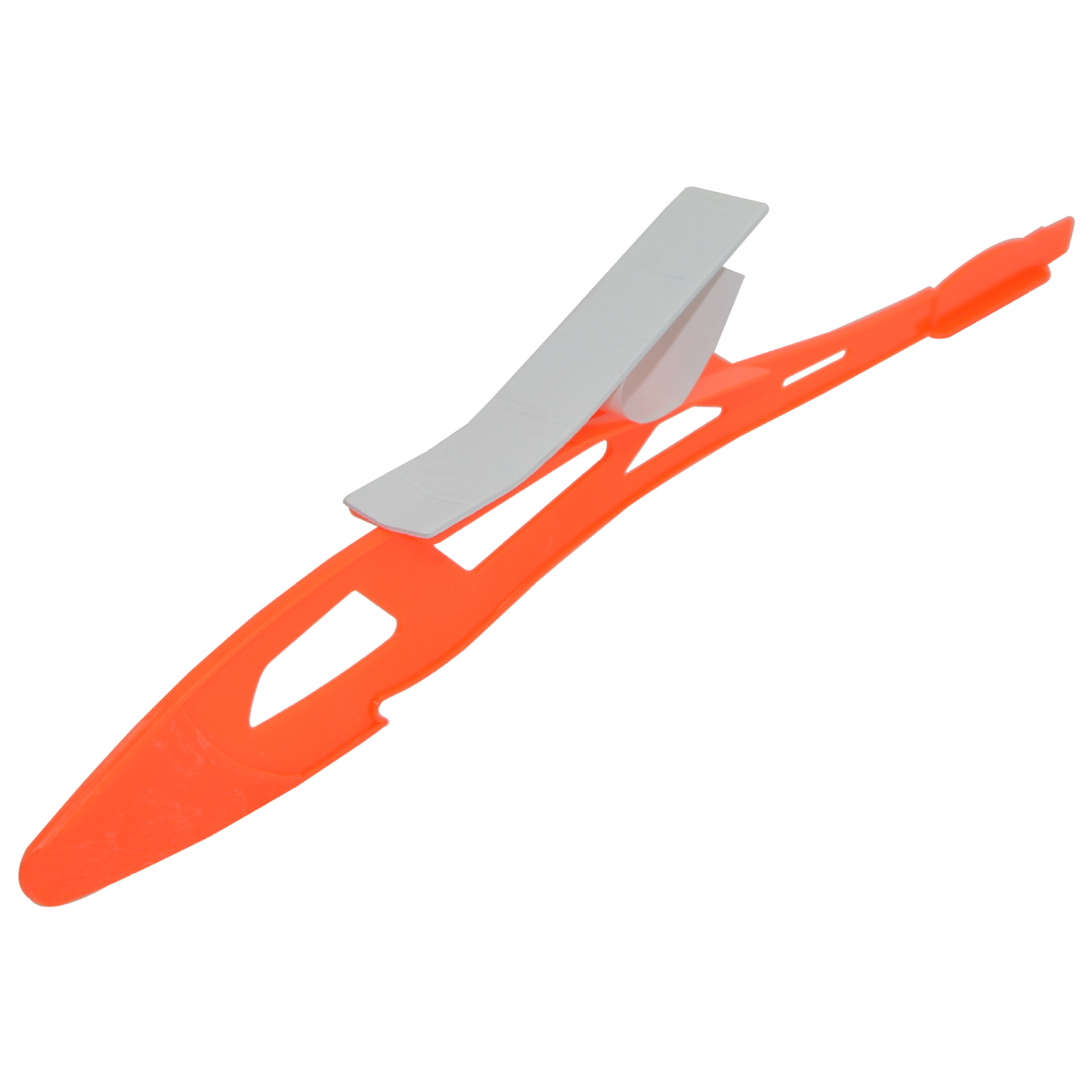
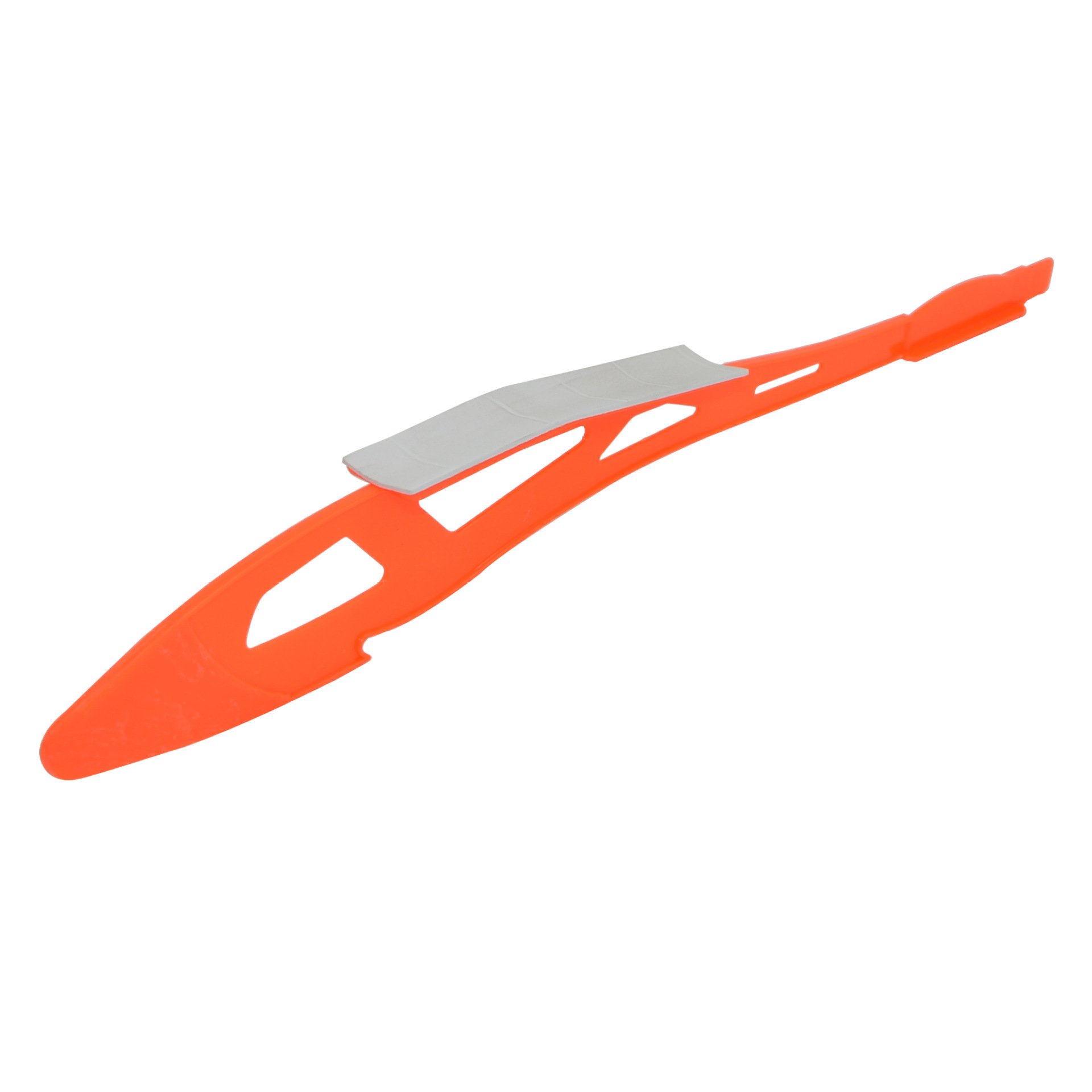
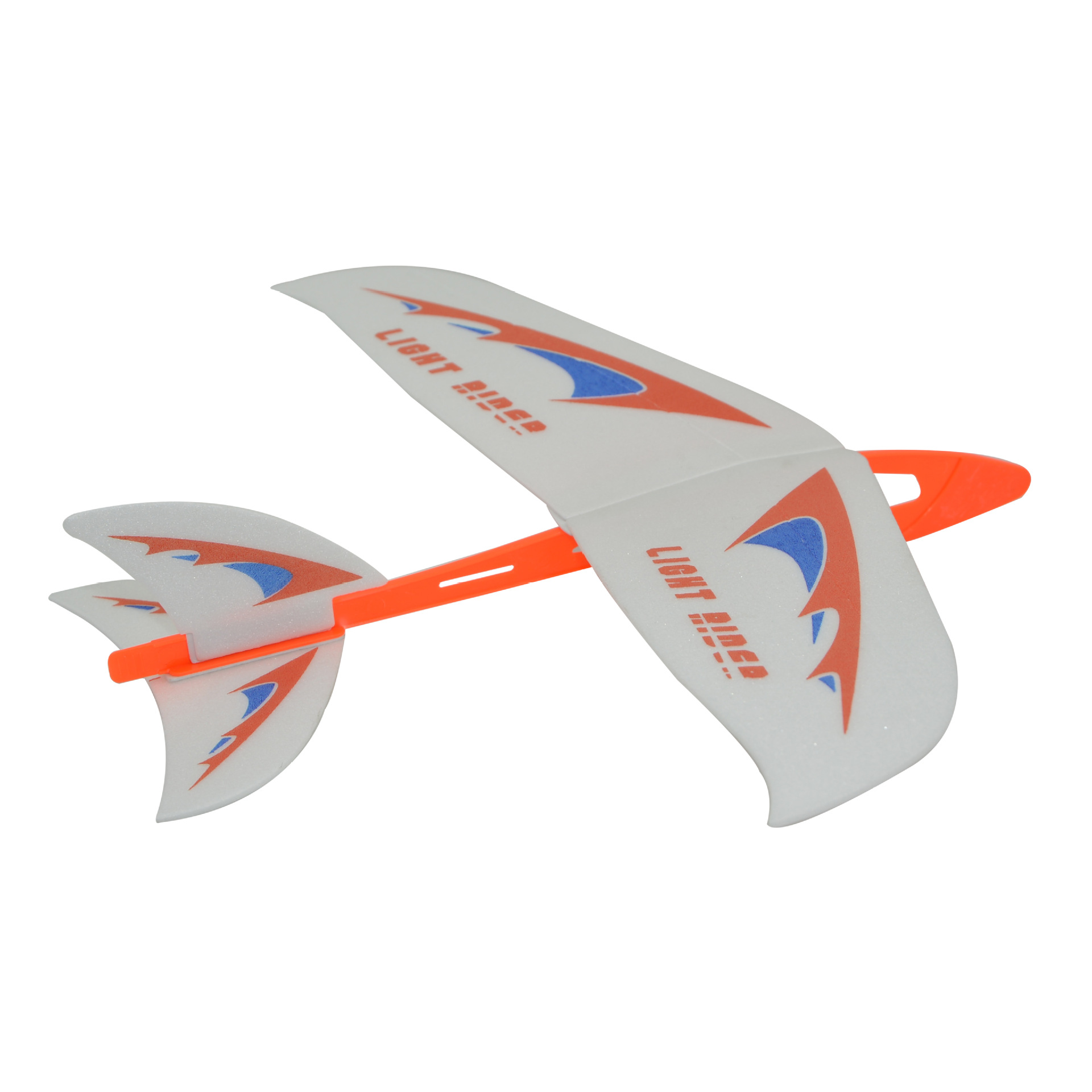
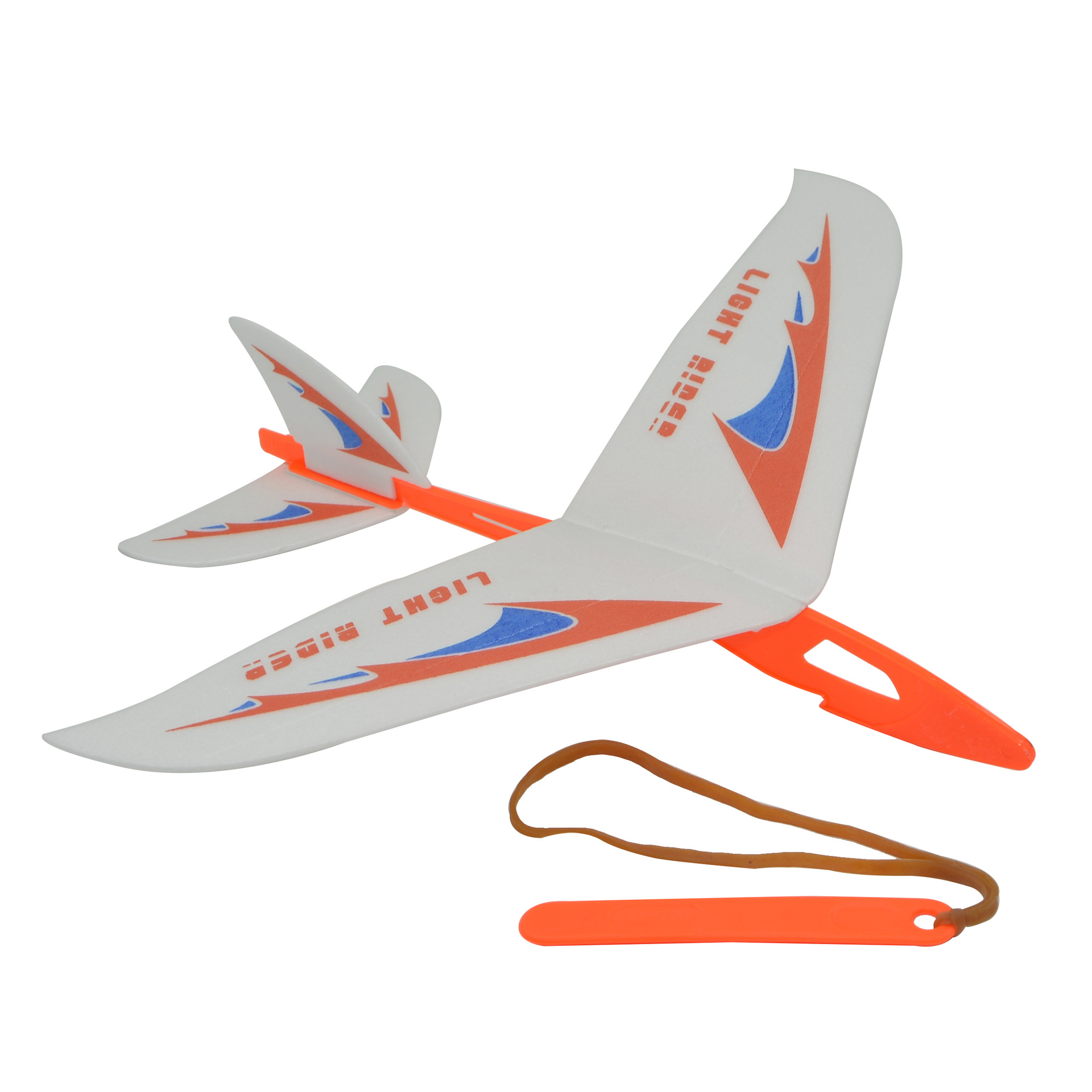
Product Name: Ejection Aircraft
Model Number: kx1 911 Launching Aircraft
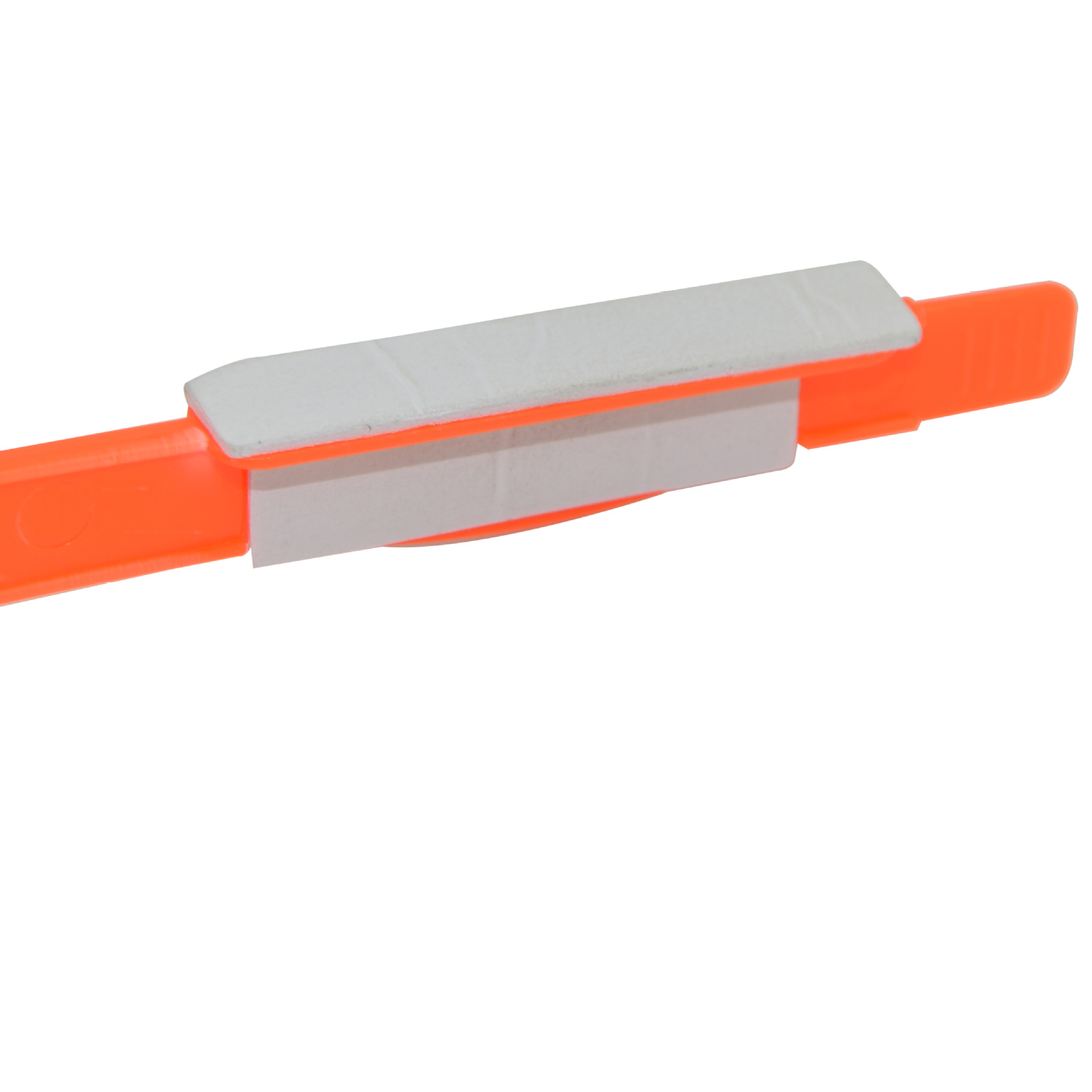
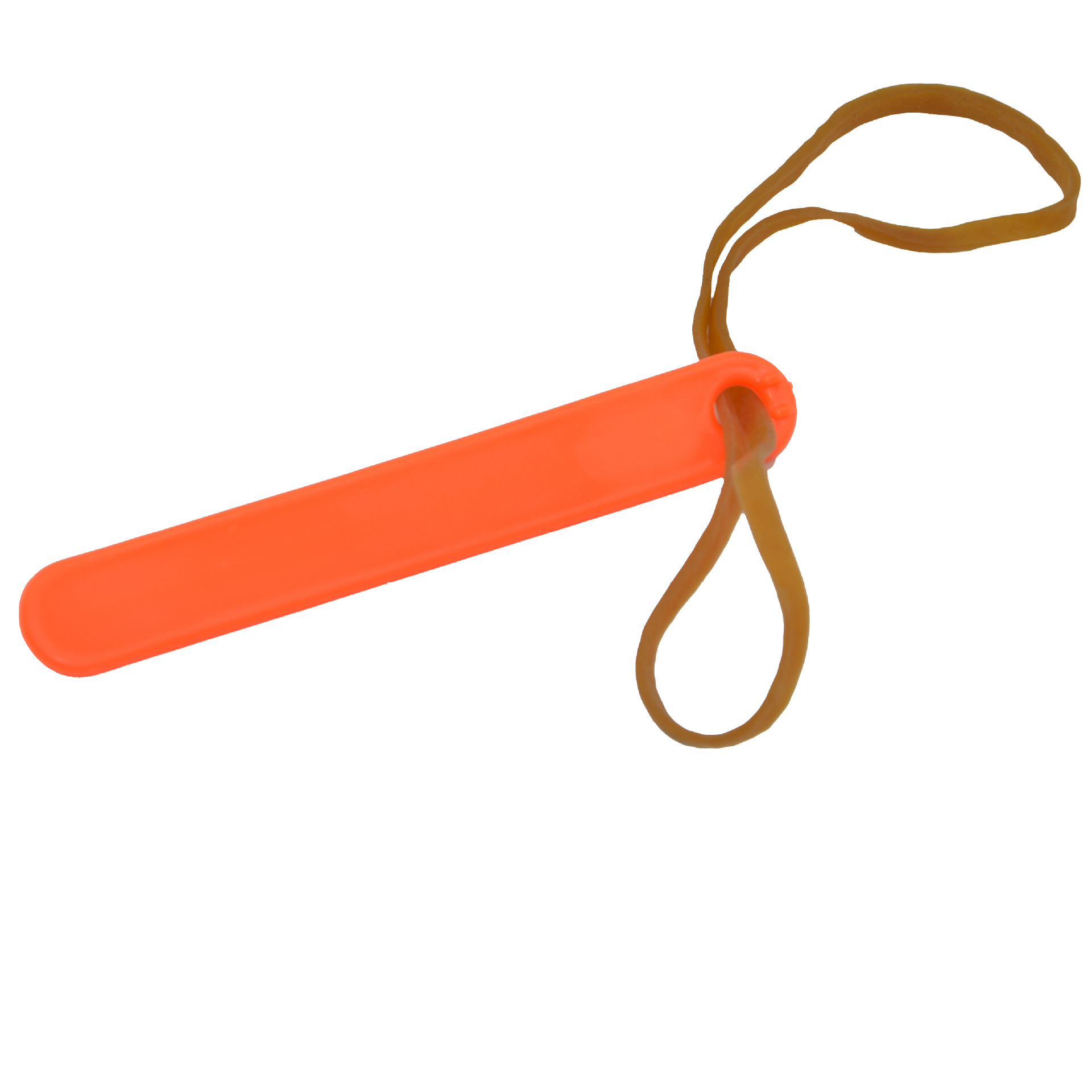
Size: Product: 305*260*252 mm, Handle: 17*120 mm, Packaging: 370*120 mm
Weight: Approximately 50g
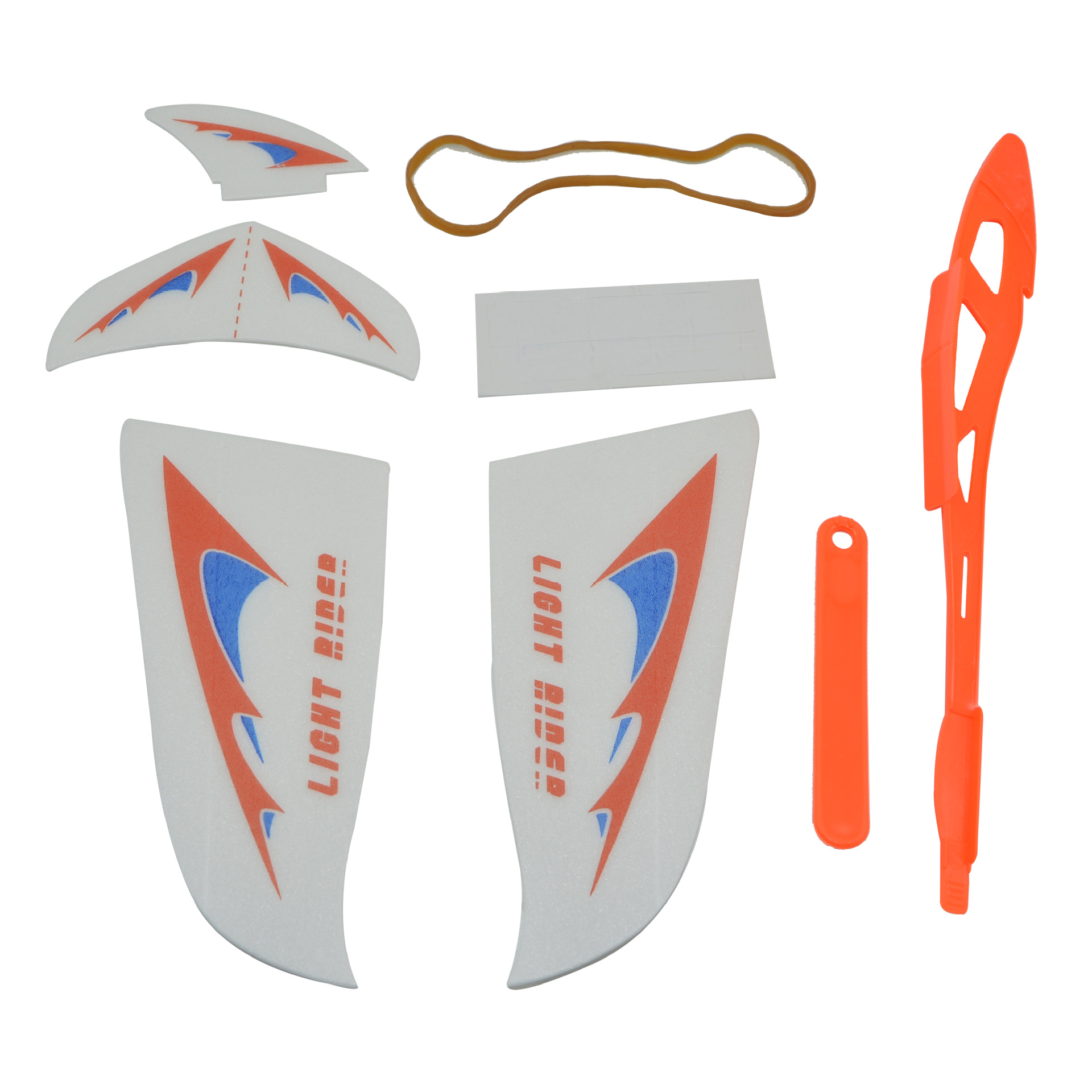
Material: EPS foam + plastic components + rubber bands + double-sided tape...
Color: Three colors: Red,
Does it use a battery: No
Packaging: 480 pcs
Box dimensions: 850*430*880mm
Installation video link: Copy from Youku Video and open in a browser) https://v.youku.com/v_show/id_XNDEzODMwNDQ5Mg==.html?spm=a2h3j.8428770.3416059.1
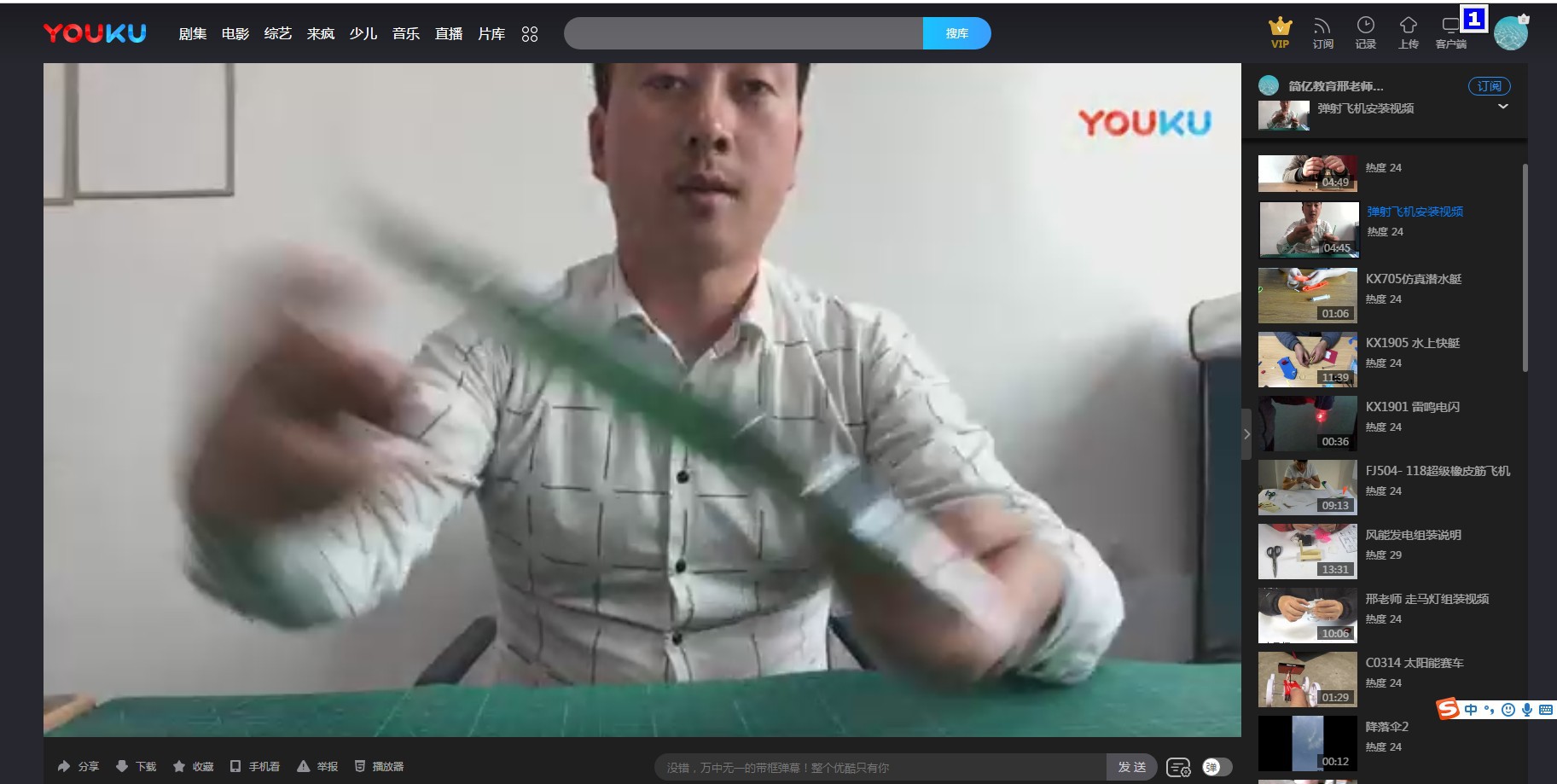
Teaching Item: 728 catapult aircraft assembly model, simulation-style design, educational assembly activity, introductory model flying training, helping improve flying skills and techniques. Easy to assemble, the plastic fuselage is sturdy and durable. The takeoff time is approximately 10–30 seconds, making it suitable for science and technology activities in popular model flying classes. It is a beginner model flying instructor model, allowing learners to learn and adjust the main wing, elevator, horizontal tail, and vertical tail control systems to adjust flight attitudes. The takeoff angle is usually around 15–20 degrees.
Product advantages: Introduction to aircraft dynamics, enhances hands-on skills, can fly for up to 10-30 seconds or more
Rocket plane:
It should be called aircraft ejection takeoff. It is the primary method for the takeoff of fixed-wing aircraft on large and medium-sized aircraft carriers.
In today’s world, the conventional fixed-wing aircraft on aircraft carriers typically use three takeoff methods: catapult takeoff using a catapult; short takeoff on a skimming runway; and vertical takeoff using vertical takeoff capabilities.
Rocket launch refers to the process where conventional fixed-wing aircraft on an aircraft carrier use the kinetic energy of a catapult to accelerate the plane to the required takeoff speed from the ship in a short distance and time, enabling rapid ascent. Rocket launches offer advantages such as shorter runway distances, faster speed gains, full payload takeoff capability, and minimal altitude separation. However, they have disadvantages like a larger system weight and higher technical complexity. Currently, only the US and French aircraft carriers use rocket launches; all other carriers employ short-takeoff and vertical landing (STOL) takeoff.









“Flying Precautions”:
1. The catapult and hand-thrown paper airplane models have excellent flight performance; do not fly them facing people or animals.
2. Fly in a safe area; when retrieving the aircraft, be careful of vehicles and the road surface.
3. When the plane lands on a big tree or a roof, be sure to ask an adult to help remove it; never attempt to pick it up yourself.
Flying Guide:
1. Review the model
When viewed directly from the head of the model, the properly installed model should be free of distortion and symmetrical on both sides.
2. Model Adjustment
In conditions of no wind or light wind, gently throw the model by adjusting the center of gravity of the handheld head. Adjust the distance between the wing platforms based on the flight posture of the model. Wavy flight indicates a light head, requiring the wing platforms to be moved backward; downward dive indicates a heavy head, requiring the wing platforms to be moved forward.
III. Power Flight
First, rotate the propeller clockwise about 15 times. Then hold the aircraft with the right hand and support the propeller with the left hand, gently pushing it forward against the wind. Observe the flight path; a circling and ascending attitude is ideal. If you notice that the circling radius of the model is too small, make a small cut at the base of the vertical tail wing and bend it in the opposite direction. Once the flight posture is normal, perform 200 to 220 revolutions around the rubber band for high-power flight.
The rubber band should generally be straight with a slight relaxation. I think it doesn’t matter whether it’s oiled or not; if oiled, it turns easier, but the lifespan of the rubber band will be reduced.
The key issue is adjusting the aircraft's center of gravity. The method involves not tightening the rubber band and throwing it directly from hand in a windless environment. The aircraft should neither tilt upward nor downward significantly. If it tilts upward, add weight to the nose. Additionally, care must be taken to prevent the aircraft from rolling sideways; if this occurs, adjust the wings accordingly.
During the competition, it is generally recommended to throw the aircraft against the wind without using too much force. Especially when the wind is strong, if too much force is applied, the aircraft will perform a somersault backward, resulting in a shorter landing time.
Update time:


TOP