Search history
Clear allSearch by image
XDrag and drop an image here or upload an image
Max 5MB per image
UploadSign In | Join

Search history
Clear allSearch by image
XDrag and drop an image here or upload an image
Max 5MB per image
UploadSign In | Join
|
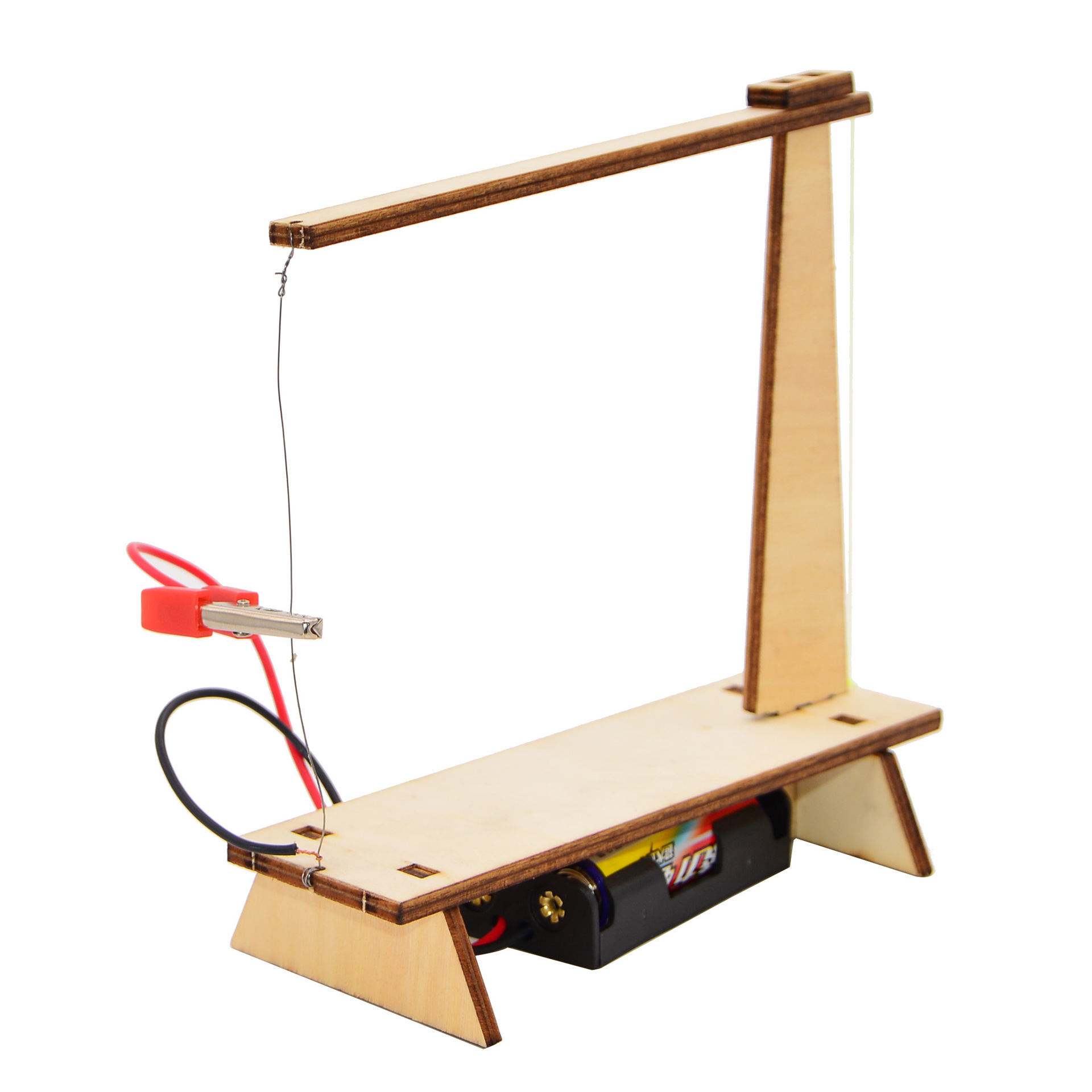
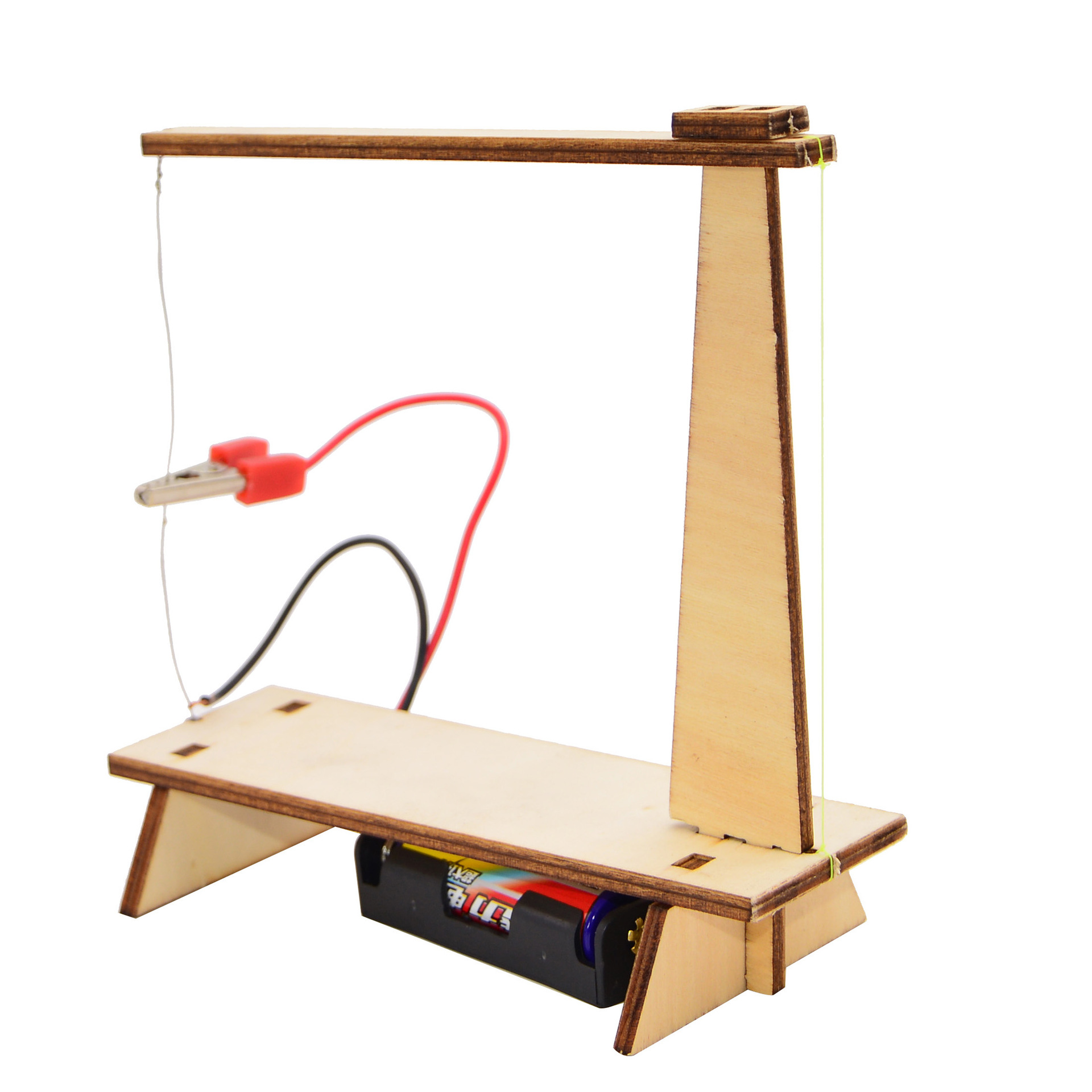
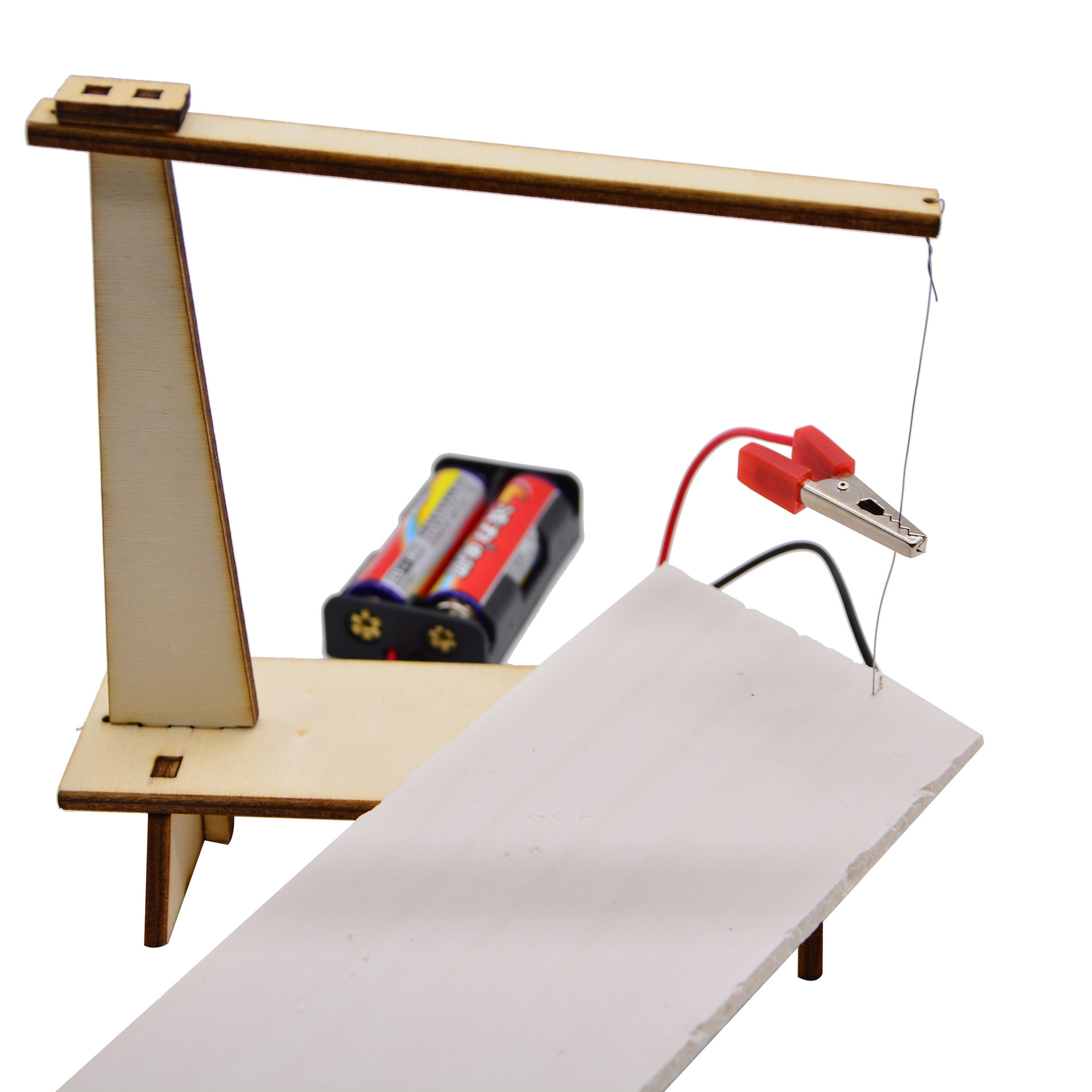
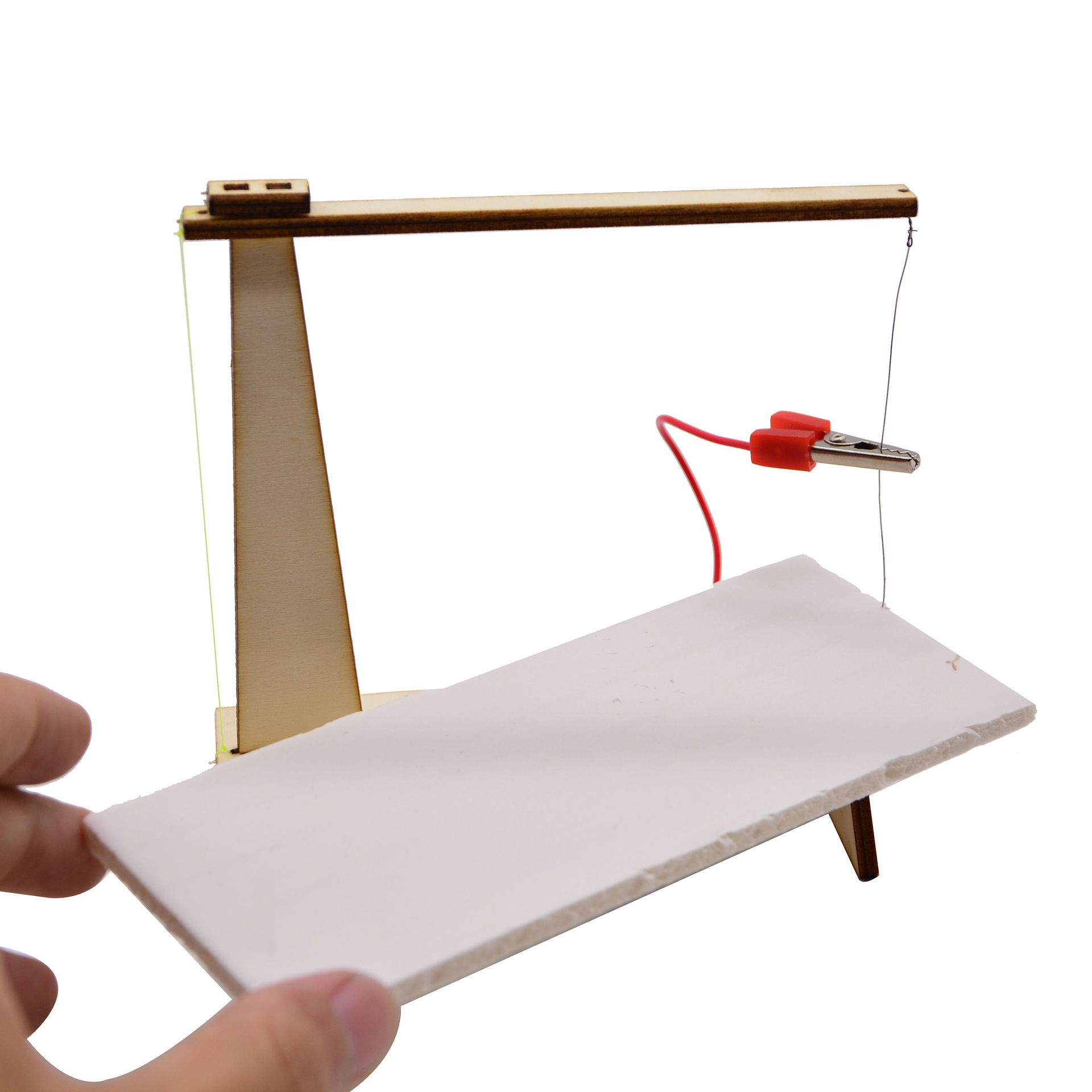
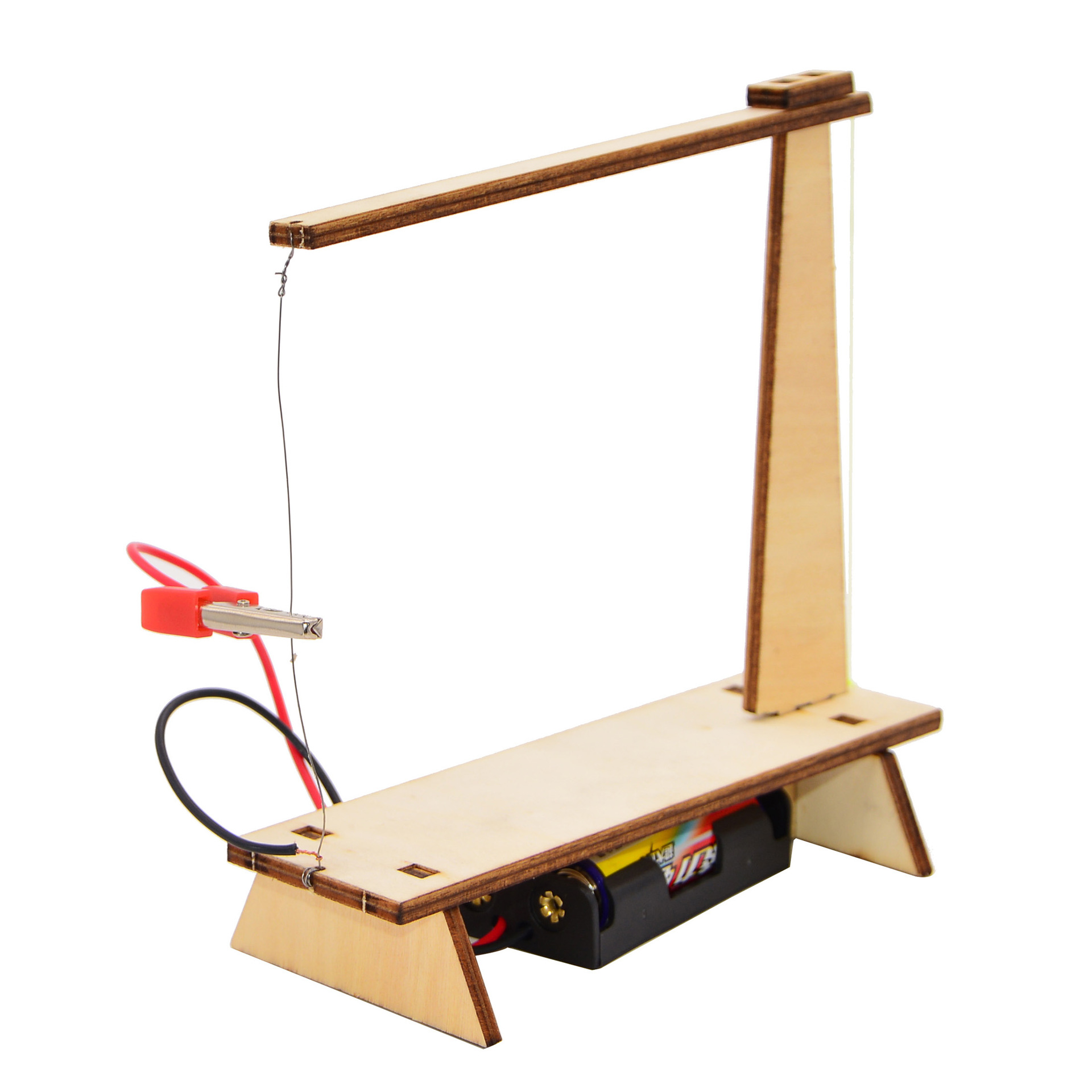
kx437 foam cutting machine
KX437泡沫切割机 |
CN¥ 0.0 |
Product Name: Foam Cutter
Model Number: KX437
Size: 130*130*40 mm
Packaging: Packaging bag
Packaging: 300 PCS
Box dimensions: 60*45*55 CM
Foam Cutter Experimental Principle:
Why does this thin metal wire get hot after being energized?
When electricity passes through a conductor, heat is generated, which is known as the thermal effect of current. Electric heaters are devices that utilize this thermal effect to generate heat. Common electric heaters include electric stoves, electric soldering irons, electric ironers, electric rice cookers, and electric ovens. The main component of an electric heater is the heating element, which is made by winding a resistive wire with high resistivity and high melting point around insulating material.
Electric heating: When current passes through a conductor, the conductor generates heat. This heat produced by current is called electric heating. The phenomenon where electrical energy is converted into internal energy due to heat generated by electricity is also known as electric heating.
Experiments have shown that when the resistance value and current are equal, the longer the time of electricity flow, the more heat is generated by the current.
Modern electrothermal technology has developed into an industry, known as the electrothermal industry.
The energy conversion efficiency refers to the ratio of the usable energy output by an energy conversion device to its input energy. The usable output energy may be electrical energy, mechanical work, or heat. There is no uniform definition for energy conversion efficiency; it primarily depends on the extent to which the output energy is usable.
Generally, energy conversion efficiency is a dimensionless number between 0 and 1, and sometimes expressed as a percentage. It cannot exceed 1, so a perpetual motion machine does not exist. However, devices such as heat pumps transfer heat from one place to another without converting energy, and their coefficient of performance often exceeds 1.
There are many forms of energy, and the sources and uses of these forms vary. To make utilization easier, people need to convert energy between different forms.
Energy conversion efficiency refers to the ratio of the usable energy output by an energy conversion device to its input energy. The usable energy output can be electrical energy, mechanical work, or heat. There is no uniform definition for energy conversion efficiency, and it is mainly related to the availability of the output energy.
Under normal circumstances, energy conversion requires certain equipment. Due to the limitations of the equipment itself, not all energy can be converted into the energy people need.
By analogy, the mechanical efficiency η = W_useful / W_total × , where the total energy consumed before conversion is the total work, and the useful work after conversion is the work done. The heat loss represents the extra work. The efficiency of energy conversion refers to the ratio between the energy required (useful energy) and the total energy consumed.
Energy conversion efficiency = effectively utilized energy / total consumed energy ×



Update time:


TOP