Search history
Clear allSearch by image
XDrag and drop an image here or upload an image
Max 5MB per image
UploadSign In | Join

Search history
Clear allSearch by image
XDrag and drop an image here or upload an image
Max 5MB per image
UploadSign In | Join
Product Name: Newton Ball
Item No.: KX810 Newton Ball
Package: Packaging bag
Product dimensions: 149*123*124 MM
Weight per unit: 0.12 KG
Number of boxes to be packed: 600
Box Size: 60*50*55
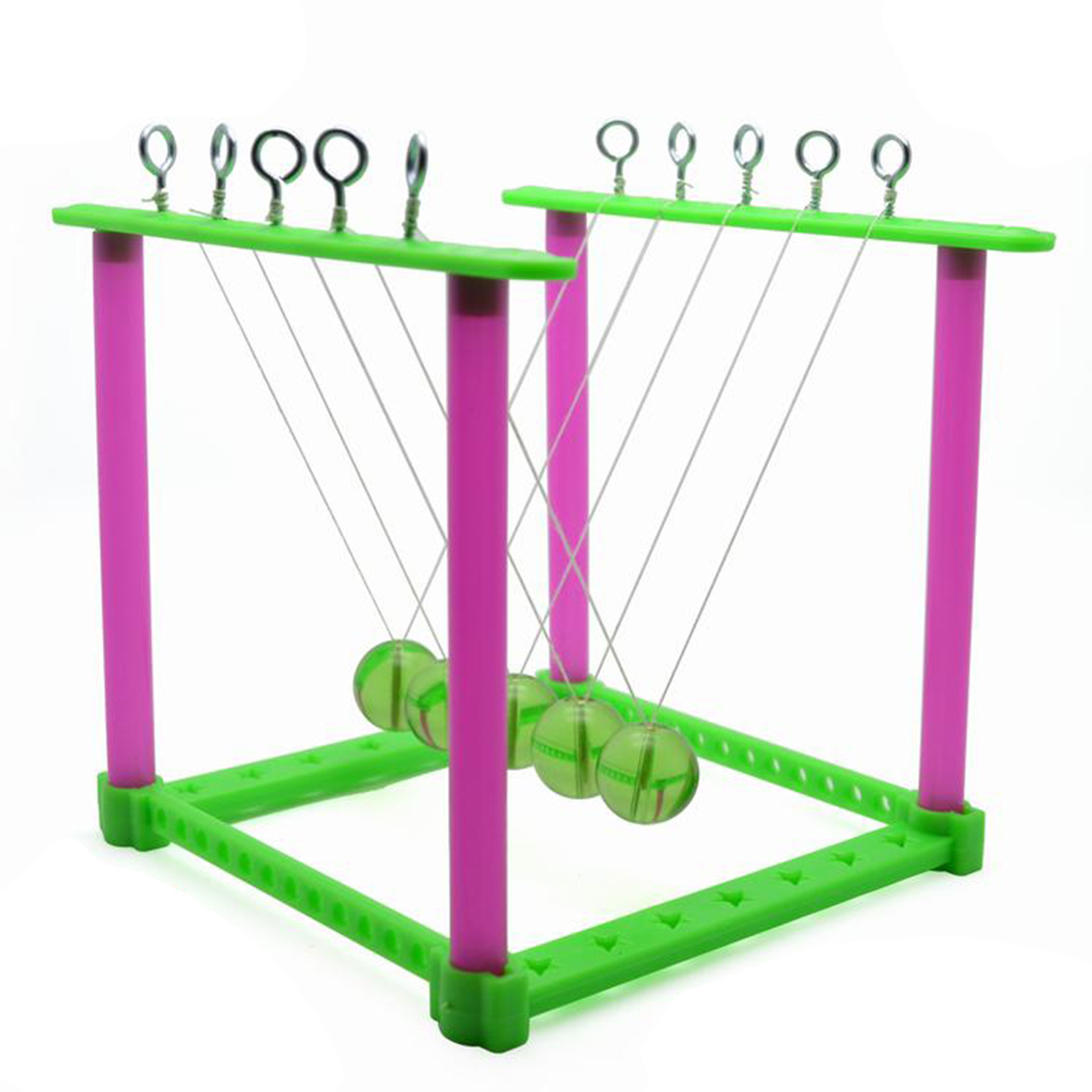
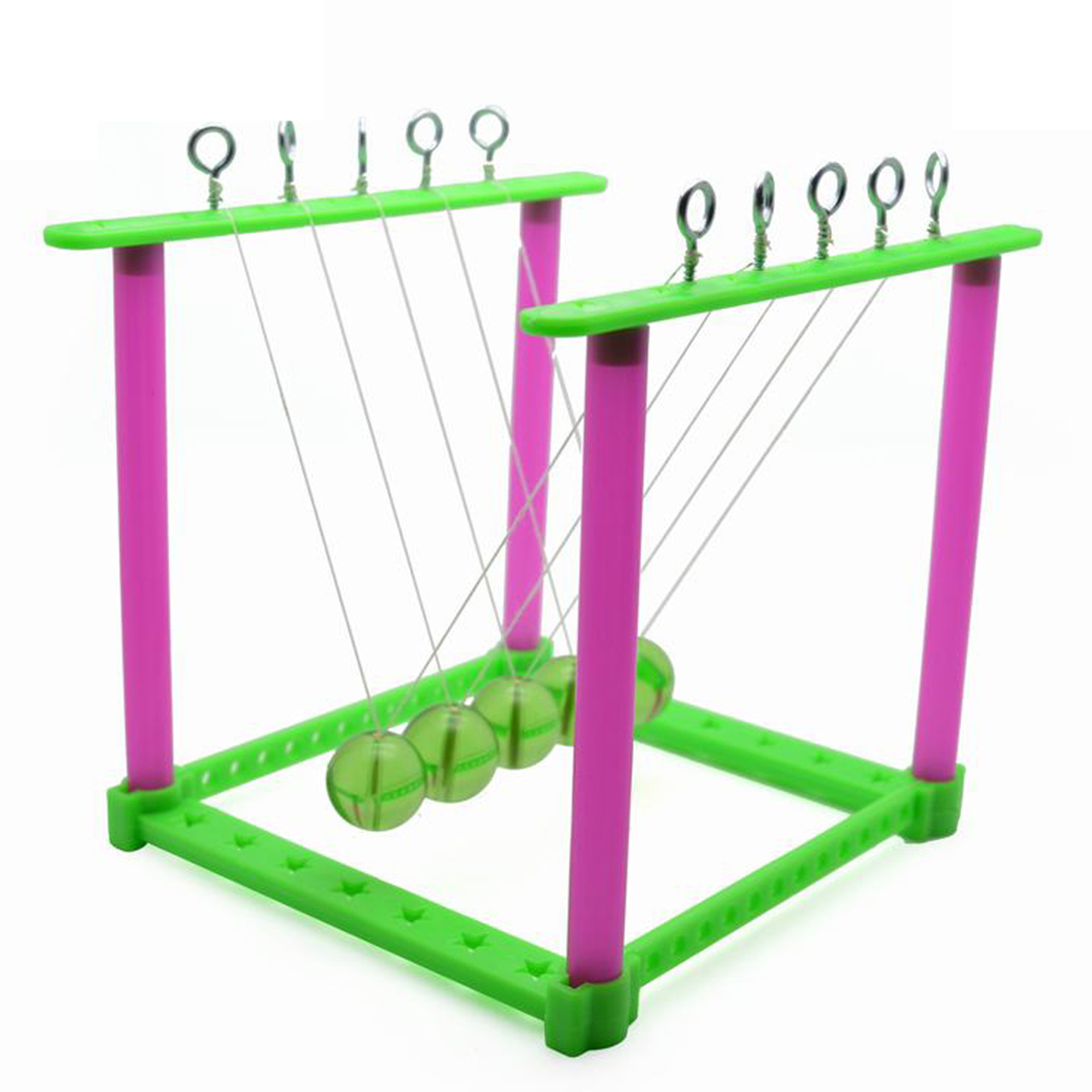
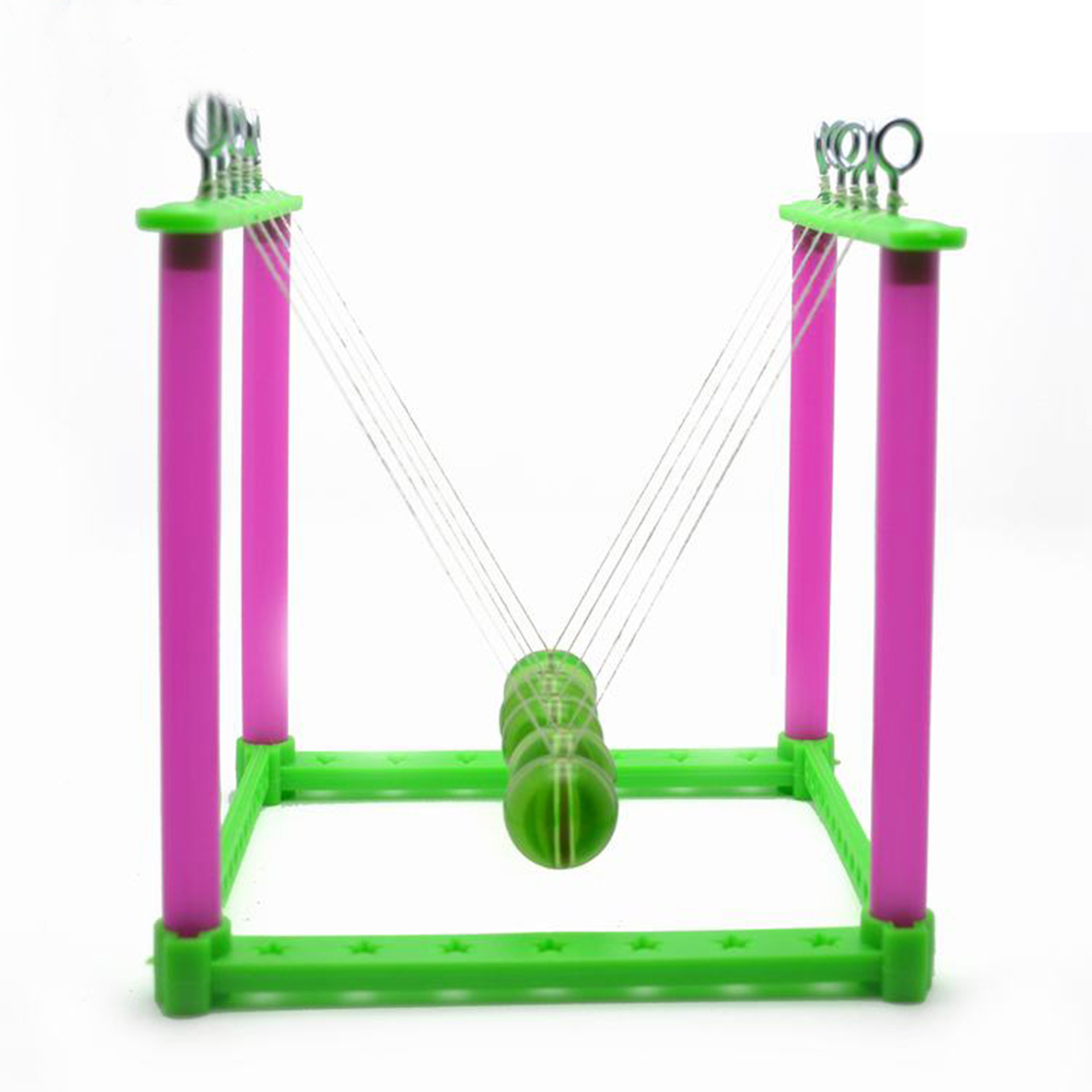
The Newton's pendulum is a desktop demonstration device invented in the 1960s. Five spheres of equal mass are fixed by a hanging rope and arranged closely together. It is also known as: Newton's pendulum balls, momentum conservation pendulum balls, perpetual motion balls, physical bumping balls, and bumping balls.
The Newton's pendulum was proposed by the French physicist Edme Mariotte in 1676. When the ball on the right side of the pendulum swings back, it collides with the four closely arranged balls on the other side; the ball on the left will then be pushed out.
Experiment Objective: 1. In the gravity system, the l ball on the left side collides with the r ball on the right side with a speed of vl, adhering to energy conservation and momentum conservation. After the collision, the l ball moves to the right at a speed of vl, while the r ball
Move continuously to the left of speed VR. In contrast, ball L can move at the opposite speed of -VL, and ball R has an opposite speed of -VR.
Experimental Cognition:
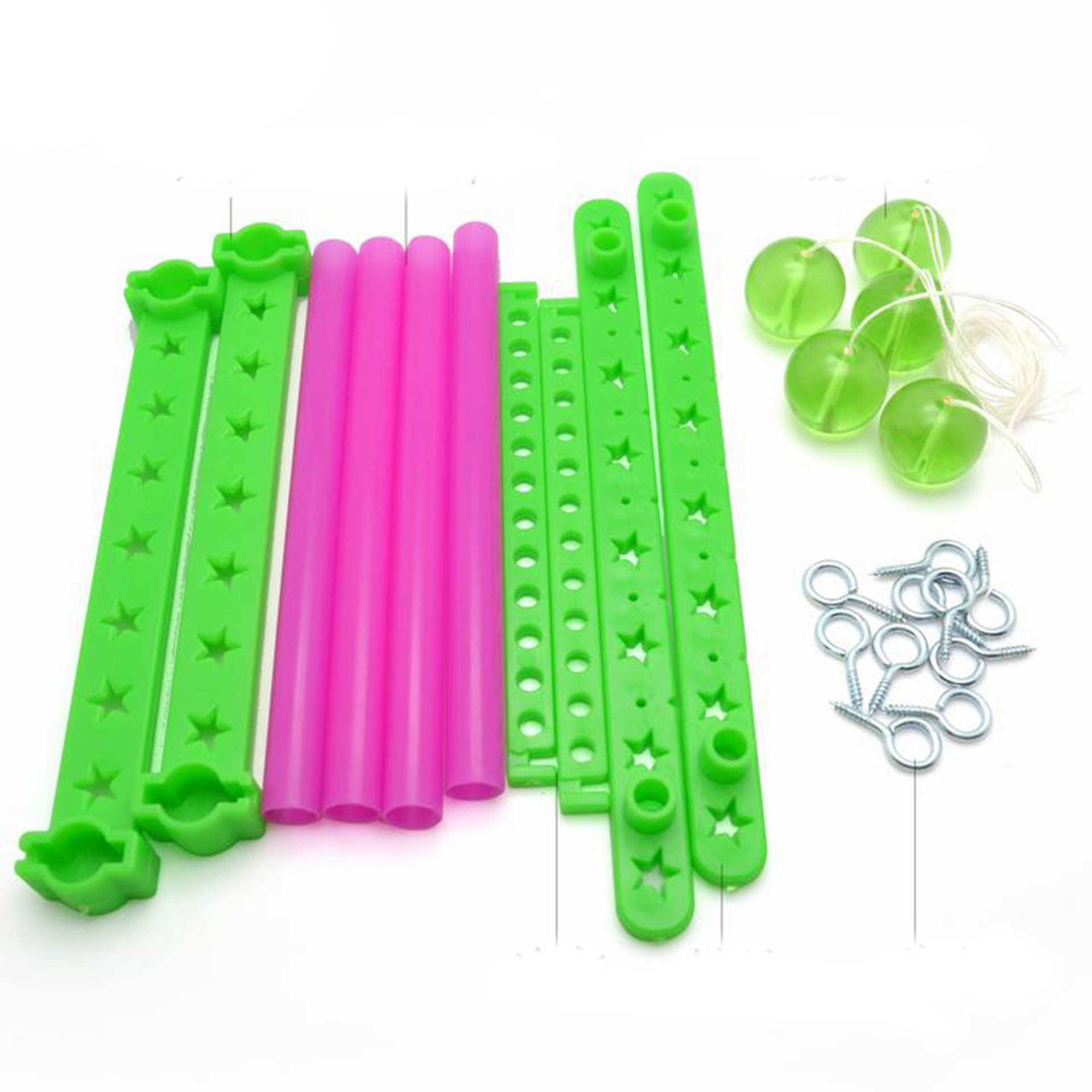
Frame: An important component of Newton's pendulum, with羊角钉 installed. Its primary function is to generate lift.
Hole-dotted glass beads: A propeller refers to a device that converts engine power into thrust by rotating the blades in the air, or a type of marine propulsion system with two or more blades connected to a hub, where the rear side of the blade is a spiral surface or approximately a spiral surface.
Devices. Propellers come in many types and have wide applications, such as in airplanes and ships.
Experimental Steps<t_XXXXXXXXX> <t_XXXXXXXXX>
1. Experimental preparation: Identify experimental equipment: frames, glass beads with holes.
Experimental Report<t_XXXXXXXXX> <t_XXXXXXXXX>
This is a series of elastic collisions, which also includes inelastic collisions and momentum. Since no other forces are present during the collision, the momentum of the ball on the left with mass m and velocity vl is transferred to the stationary ball on the right. The ball on the right with mass m has the same momentum after the collision. Both colliding balls have a velocity of vr to the right and a tendency to move to the right—this is known as momentum conservation.


Update time:


TOP