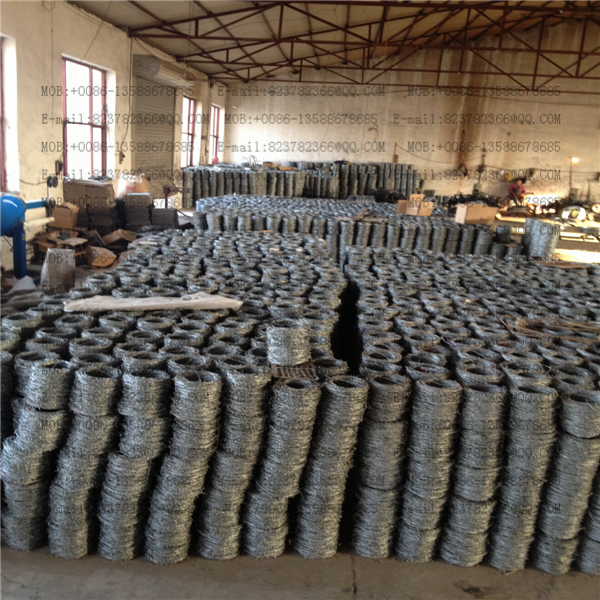
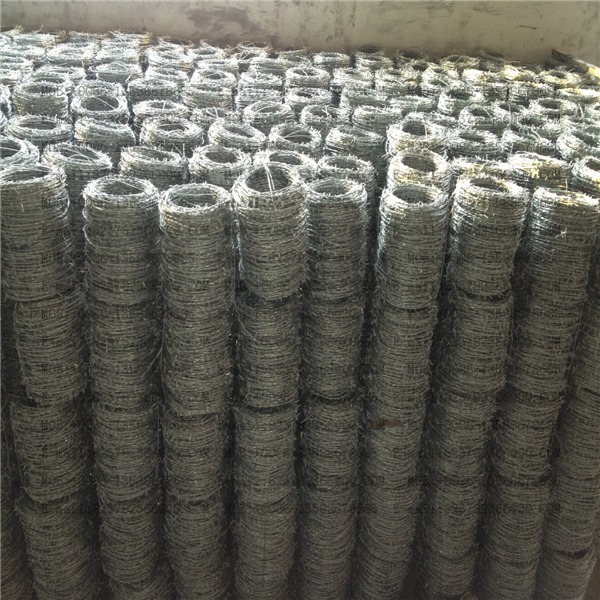
Single Twist Double Twist
Traditional twisting method
2 Classified by surface treatment
PVC plastic-coated tassel
Aluminum alloy tether
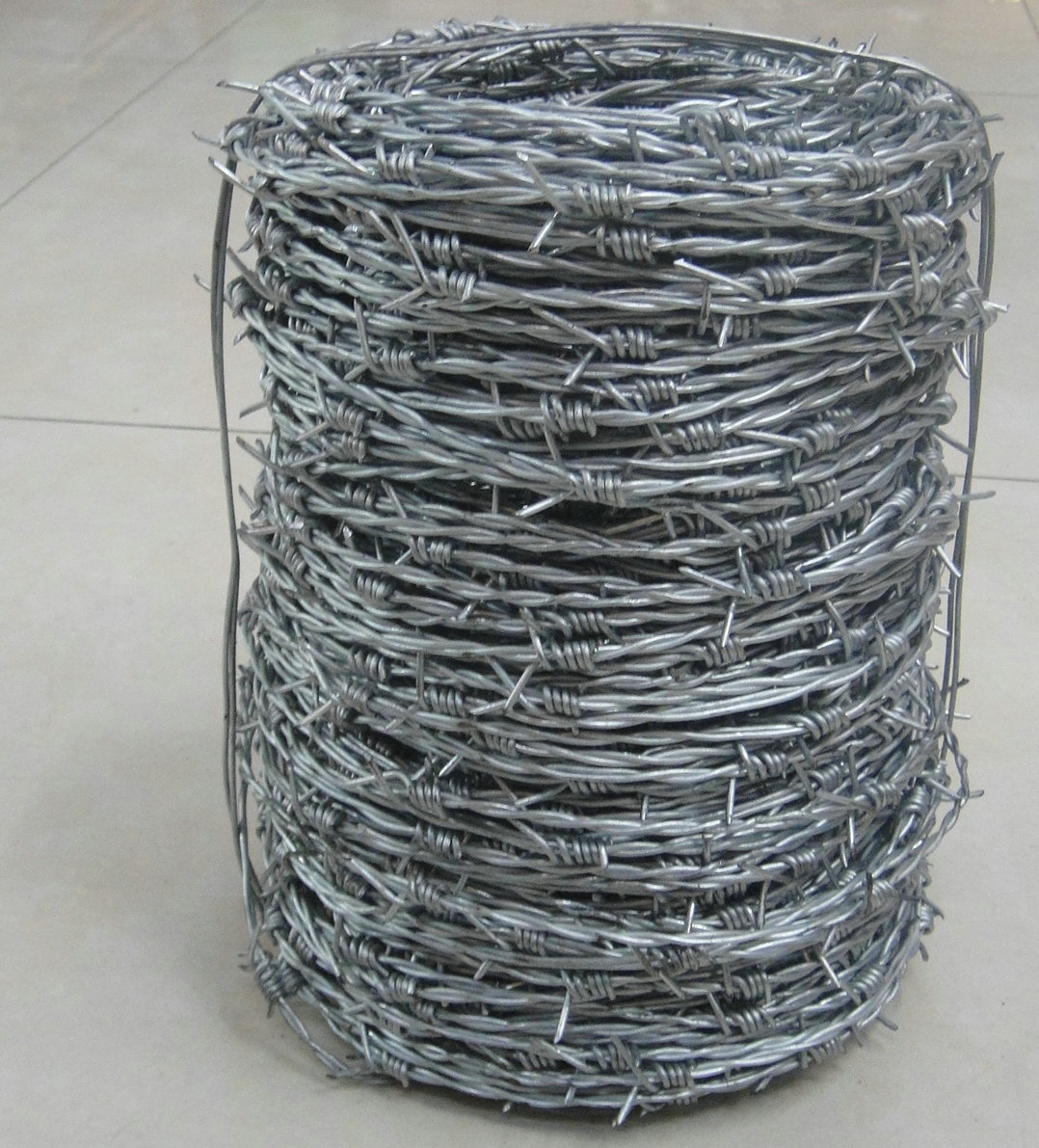
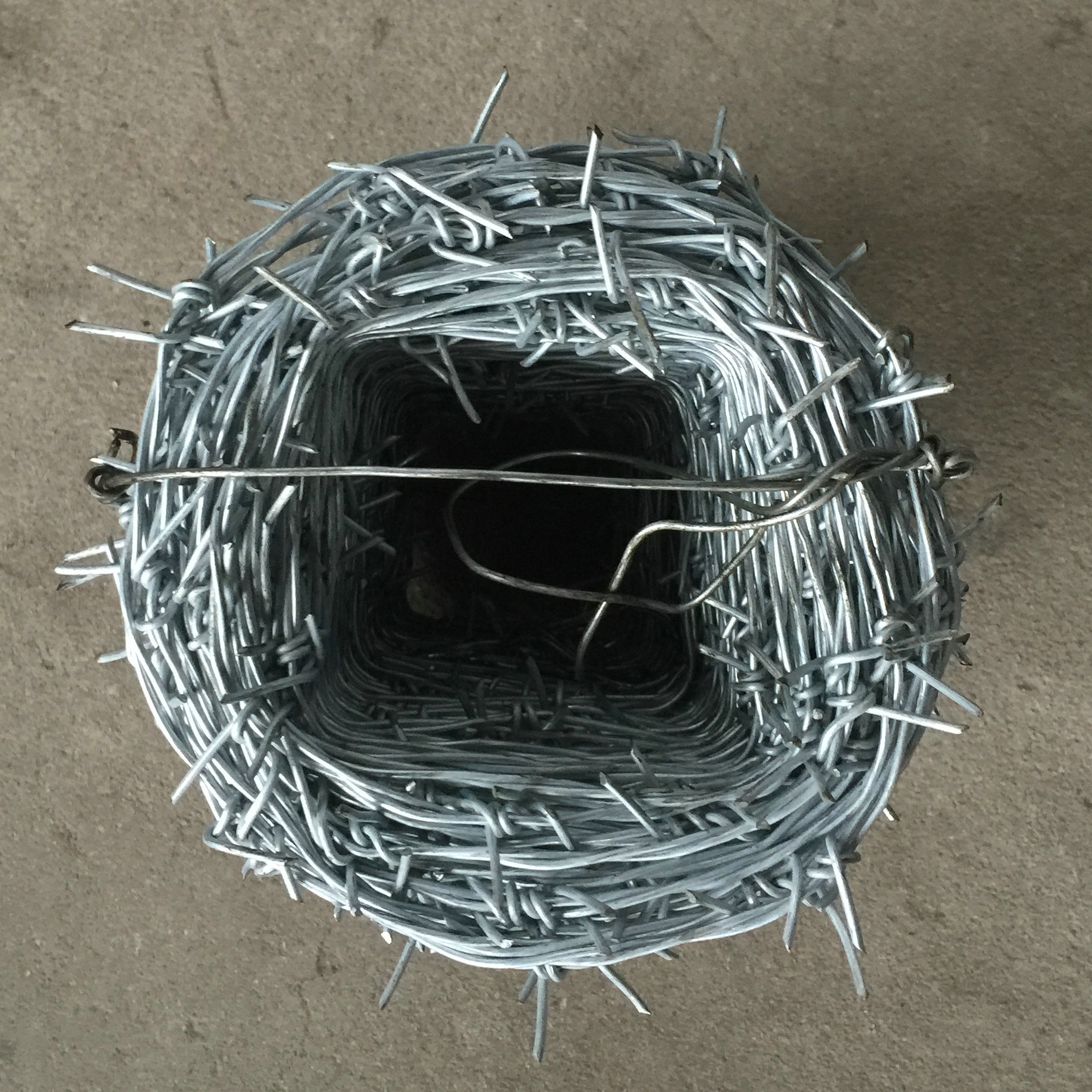
The reason for surface treatment is to enhance corrosion resistance and extend service life. As the name suggests, galvanized wire ropes undergo surface treatment via galvanizing, which can be electro-galvanizing or hot-dip galvanizing; while PVC wire ropes receive surface treatment through PVC encapsulation, the inner wire is black, either electro-wired or hot-dip wired.
Aluminum-coated wire is a new product that just came out on the market. Its surface is covered with an aluminum layer, also known as aluminizing coating. As we all know, aluminum does not rust, so the aluminizing coating significantly enhances corrosion resistance and prolongs its lifespan. Uses of the wire include: for security and protection in industrial areas, private villas, ground floors of residential buildings, construction sites, banks, prisons, banknote printing factories, military bases, single-story houses, and low-wall structures.
History of the刺绳:
Before the invention of thorn ropes, humans sought materials for fencing around themselves, primarily using trees, stones, thorny brushes, and mud. When colonists arrived in the Americas, these materials became in short supply, so they began to develop a more economical type of fence. Over 400 years ago, hot-dip galvanized steel wire began to be produced. In 1870, high-quality smooth wire in various lengths and specifications appeared. Stockmen used these smooth wire fences, but found that poultry still managed to move in and out. In 1867, two inventors attempted to add thorns to the smooth wire, but there was no practical proof of this. It was not until 1874 that Michael Kelly invented a very practical method of adding thorns to the wire, and it began to be widely used.
Joseph Glidden discovered that in ordinary small villages, there was a wooden rope with many sharp iron nails on one side, and smooth wire attached inside it. This discovery excited him greatly, and it led to the invention of the current spike shape. Glidden placed the spikes in a temporarily prepared coffee bean grinder, then tied the spikes together along the smooth wires and another wire, twisting them to secure their position.
The Prosperity of Stitch Rope:
Glidden has successfully developed over 570 patent inventions involving spike cords, which continue to be used today. It is one of the inventions that have "changed the face of the world."
Glidden is regarded as the father of spike wires. Many companies have started investing in production equipment for mass production.
Production process and technology:
In China, most factories producing wire mesh use directly galvanized wires or plastic-coated iron wires to make the mesh. This weaving method improves production efficiency, but it sometimes results in insufficient fixation of the wires. With technological advancements, some manufacturers now employ a rolling process to create a non-perfectly smooth surface on the wires, which significantly enhances the stability of the spacing between the wires.