Search history
Clear allSearch by image
XDrag and drop an image here or upload an image
Max 5MB per image
UploadSign In | Join

Search history
Clear allSearch by image
XDrag and drop an image here or upload an image
Max 5MB per image
UploadSign In | Join
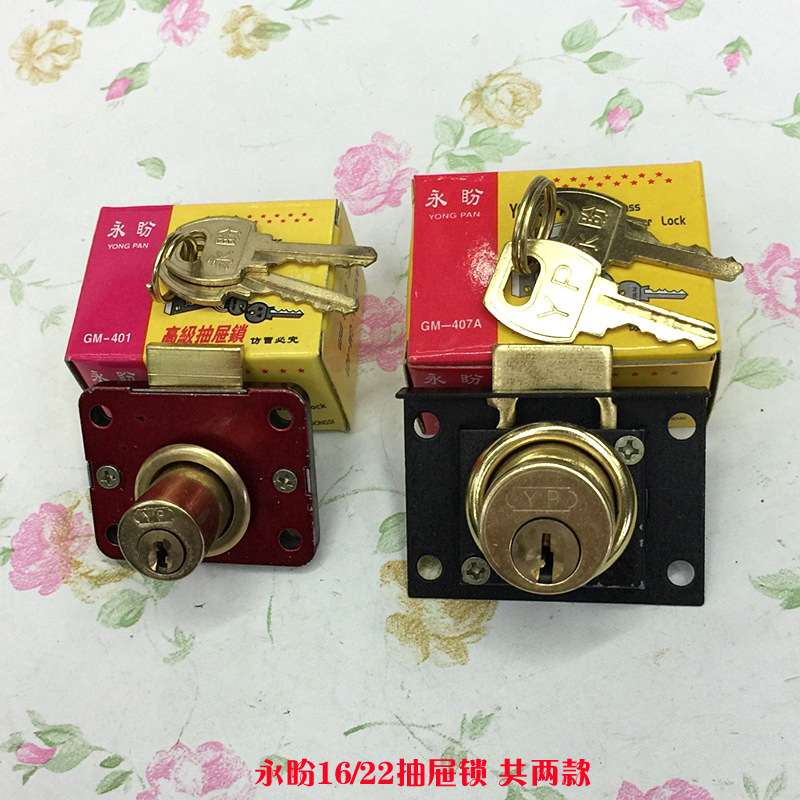
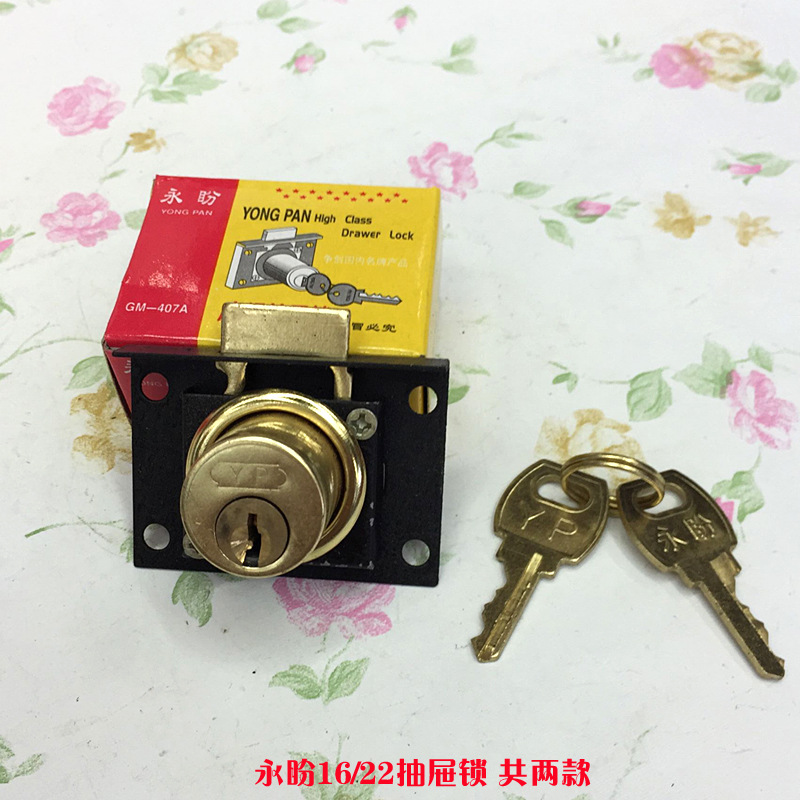
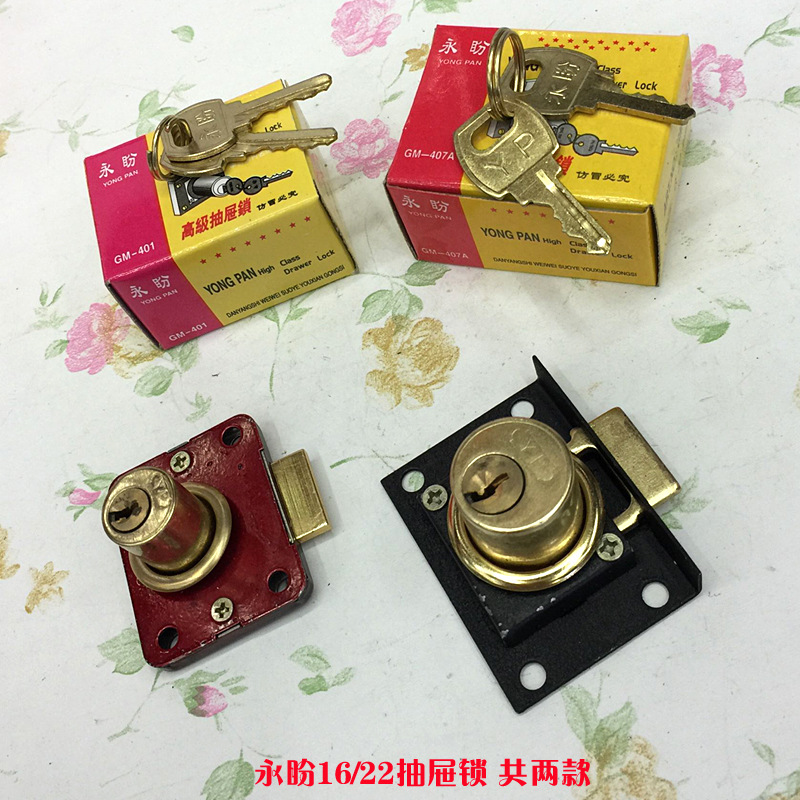
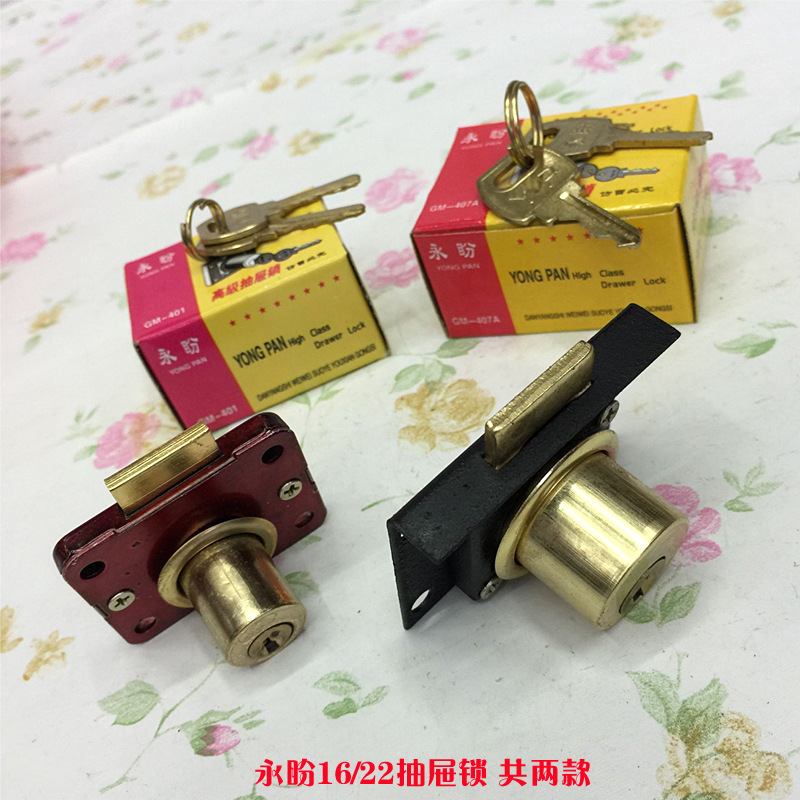
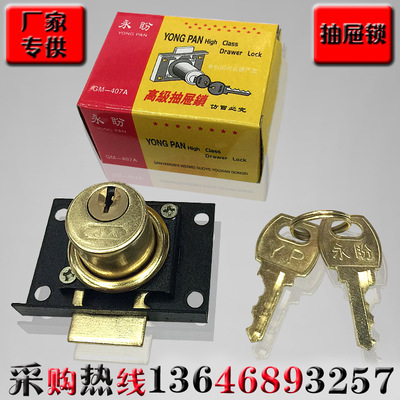
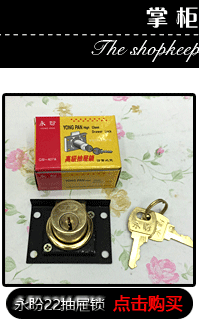
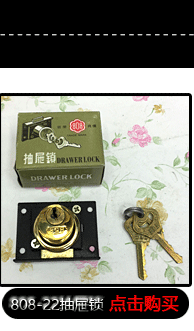
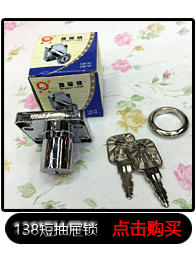
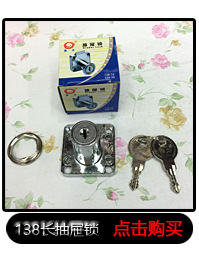
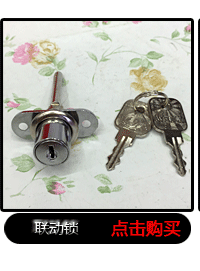
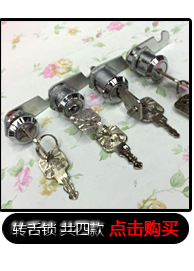
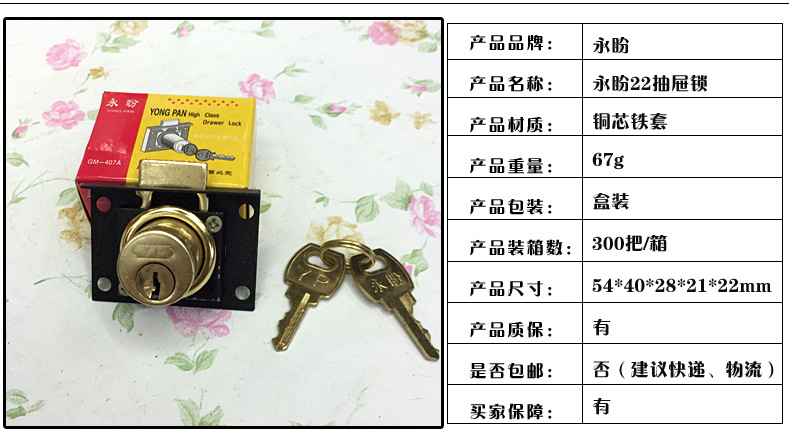
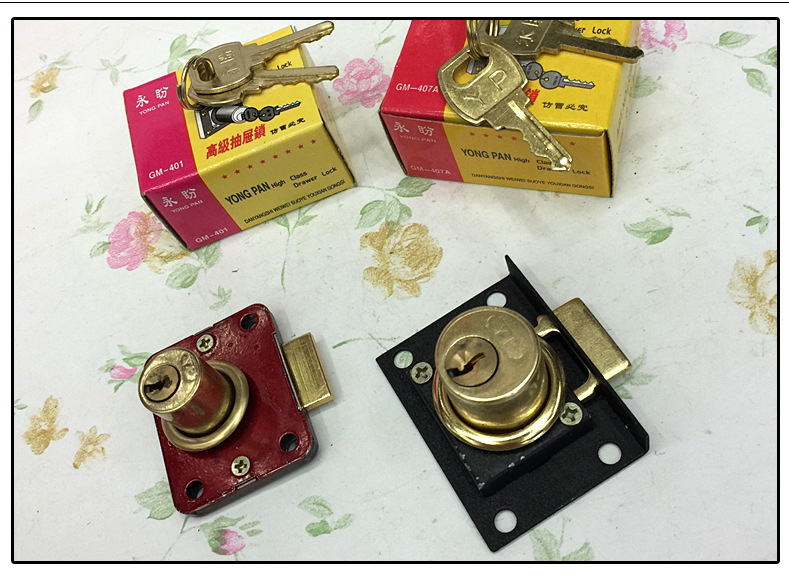
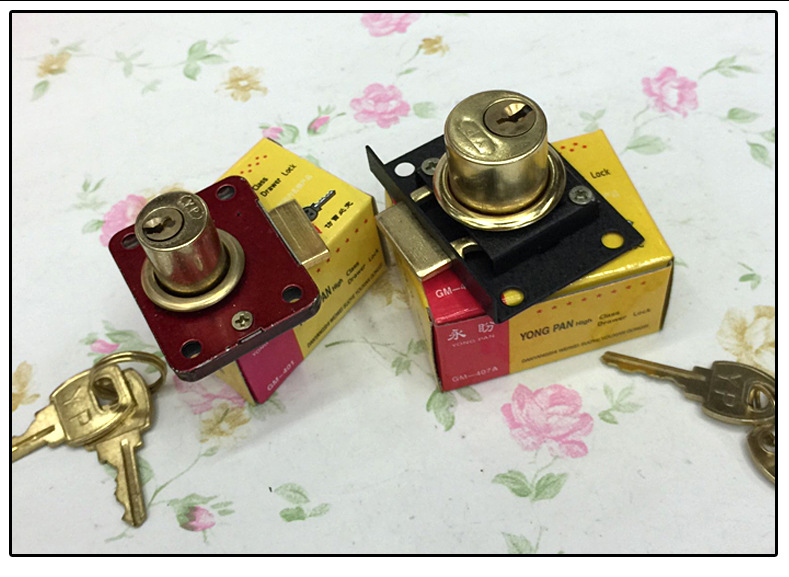
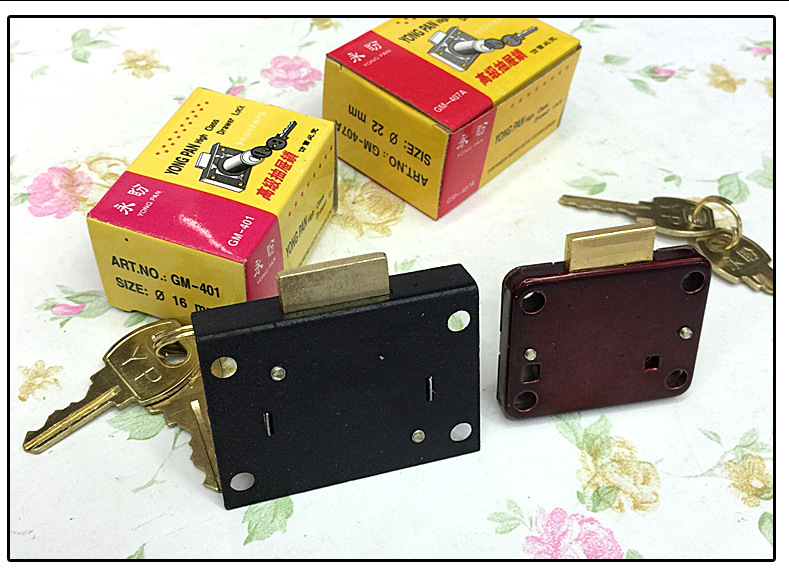
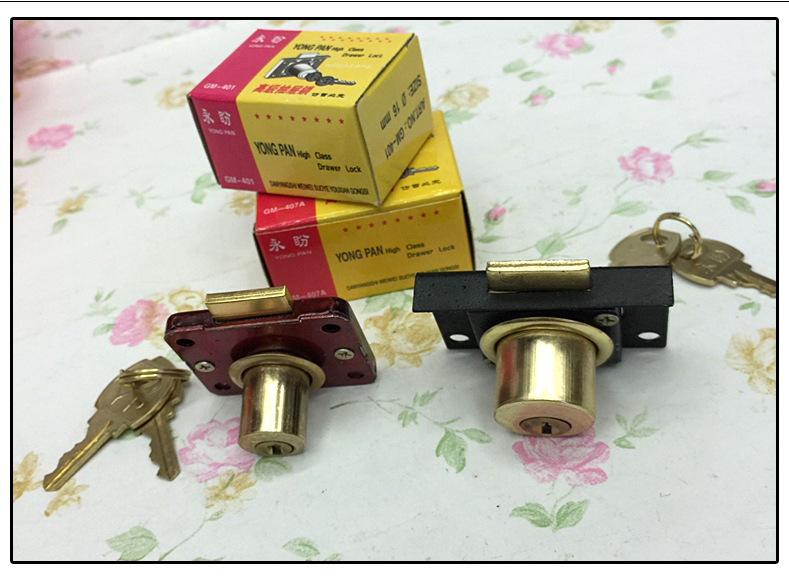
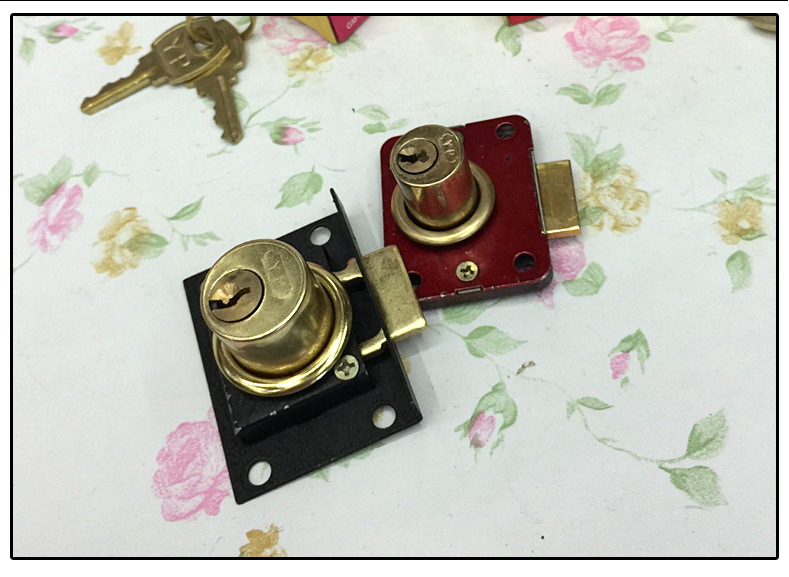
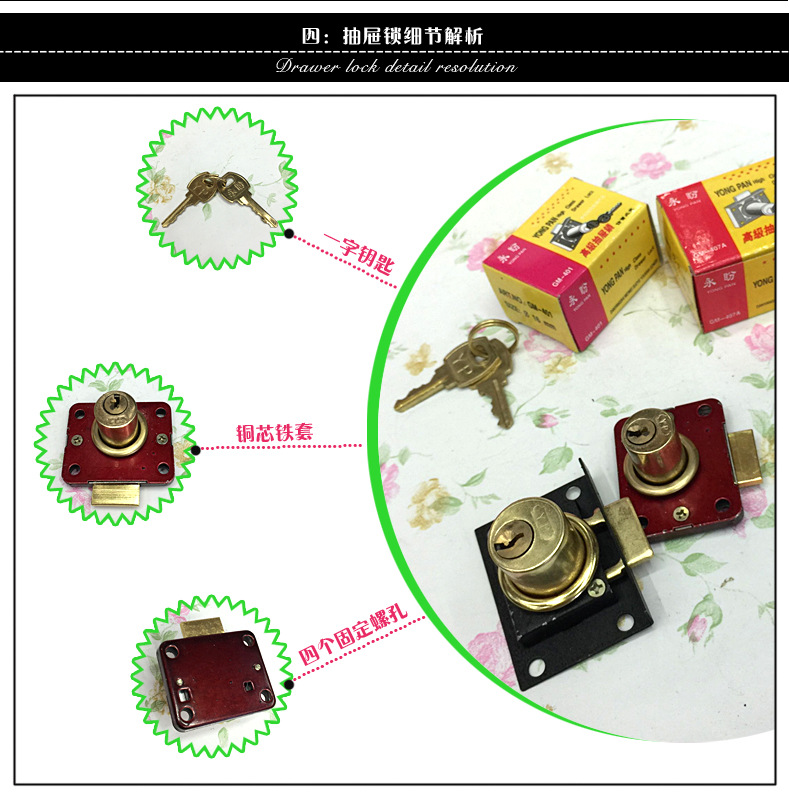
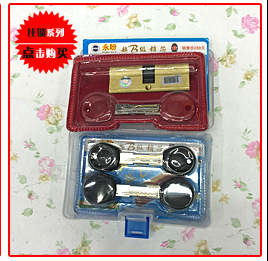
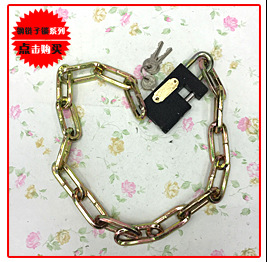
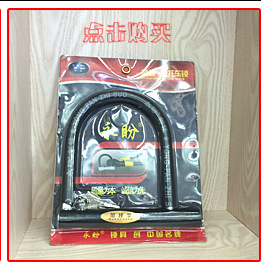
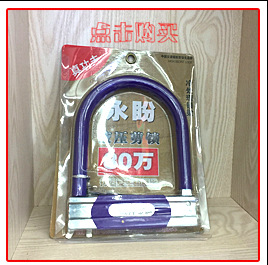
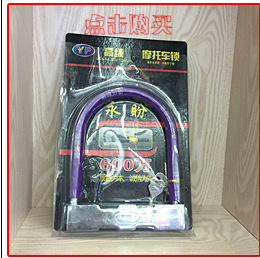
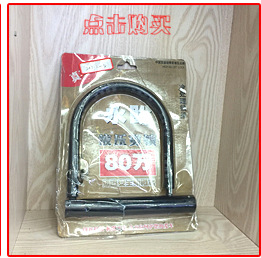
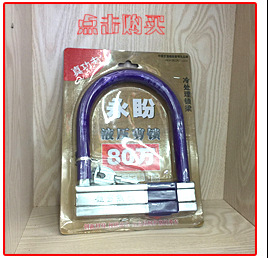
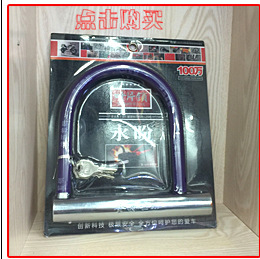
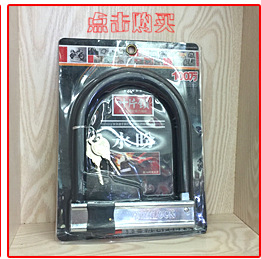
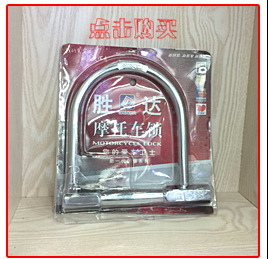
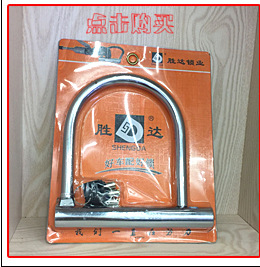
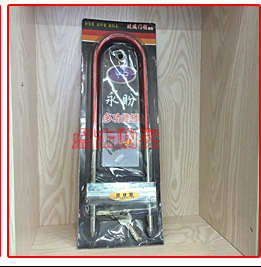
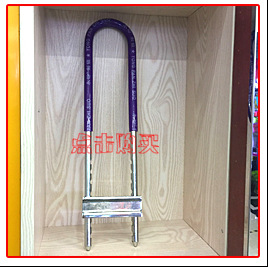
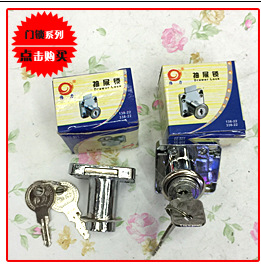
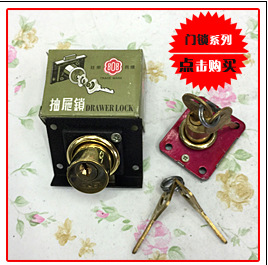
 yongpan 22mm drawer lock:
永盼22mm抽屉锁: |
CN¥ 0.0 |

 |  |  |  |
 |  |  |  |
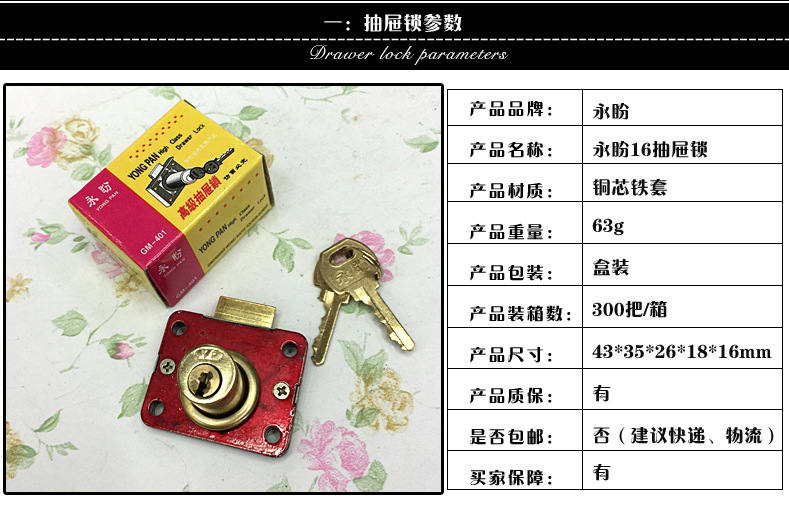
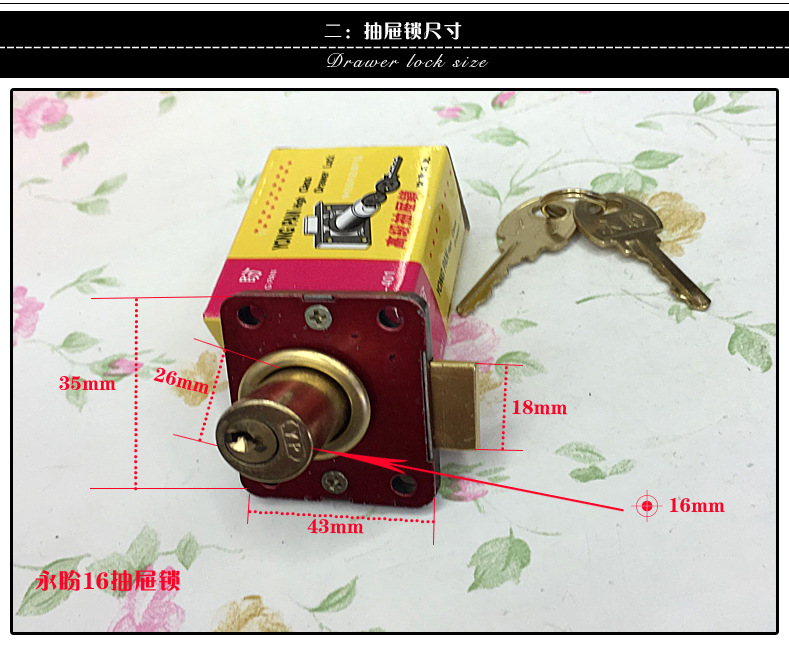
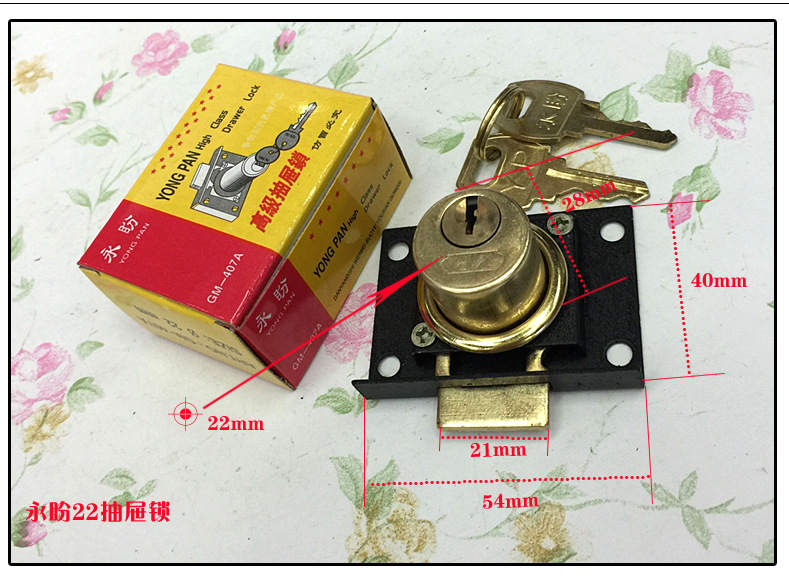
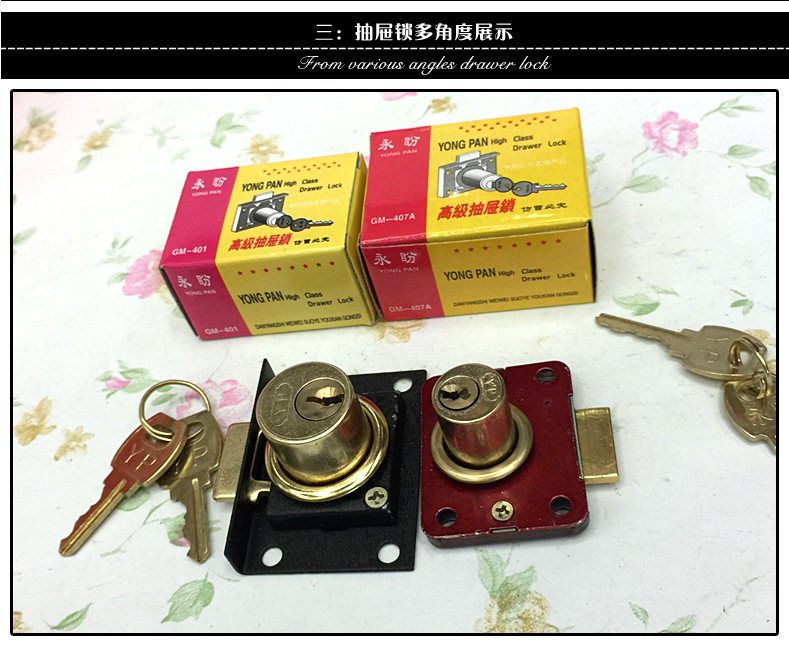
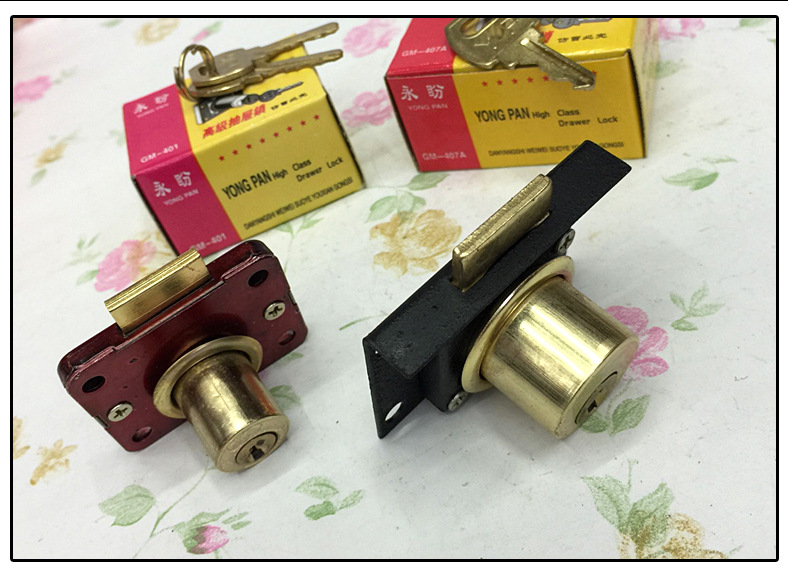
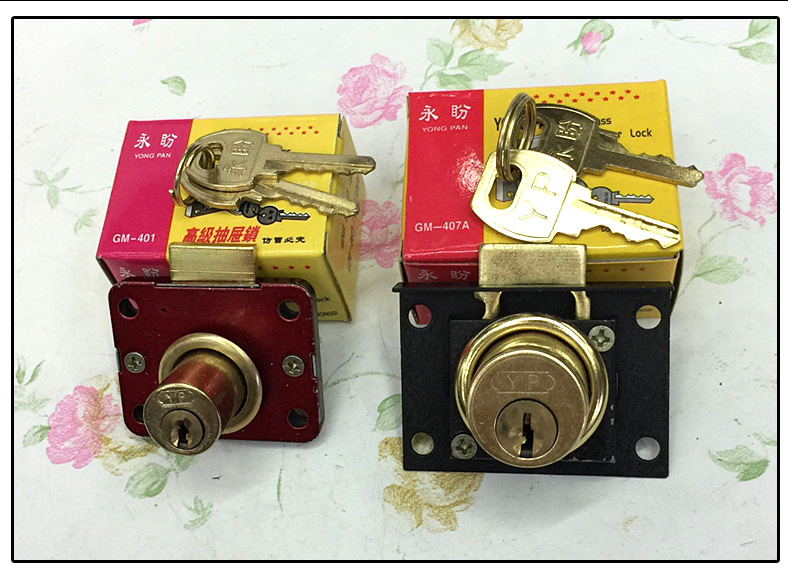


Locks are not only everyday items for humans but also cultural (folk) artifacts, representing the cultural of a country and nation throughout different historical periods. Our country's locks have existed for thousands of years, almost coexisting with the emergence of private property. Initially, humans simply wrapped their valuable possessions in animal skins, securely bound with ropes, and finally tied a special knot at the opening. This tightly bound knot could only be opened with a tool called "cuo". Cuo, also known as "Xiao" or "starting tool", is made from animal teeth or bones, shaped like a sickle hook, and in fact, the knot was the earliest form of a lock, while cuo was the earliest key. This is the embryonic form of our country's locks. This method was used from the Shang Dynasty to the Han Dynasty, after which it was replaced with jade, evolving into ornaments for aristocratic attire. During the 5,000-year-old Yangshao Culture period, our ancestors created wooden locks for wooden frame buildings.
 | ||
 |  |  |
 |  |  |
 |  |  |
 |  |  |
 |  |  |
 | ||
 |  |  |
 |  |  |
 |  |  |
 | ||
 |  |  |
 |  |  |
 |  |  |
 |  |  |
 | ||
 |  |  |
 |  |  |
 |  |  |
 |  |  |
 |  |  |
Update time:


TOP