Search history
Clear allSearch by image
XDrag and drop an image here or upload an image
Max 5MB per image
UploadSign In | Join

Search history
Clear allSearch by image
XDrag and drop an image here or upload an image
Max 5MB per image
UploadSign In | Join
| 9-19-3.5a-1.5kw | CN¥ 1100.0 |
| 9-19-4a-2.2kw | CN¥ 1250.0 |
| 9-19-4a-3kw | CN¥ 1350.0 |
| 9-19-4.5a-4kw | CN¥ 1680.0 |
| 9-19-4.5a-5.5kw | CN¥ 2100.0 |
| 9-19-5a-7.5kw | CN¥ 2450.0 |
| 9-19-5a-11kw | CN¥ 3200.0 |
| 9-19-5.6a-11kw | CN¥ 3600.0 |
| 9-19-6.3a-18.5kw | CN¥ 4500.0 |

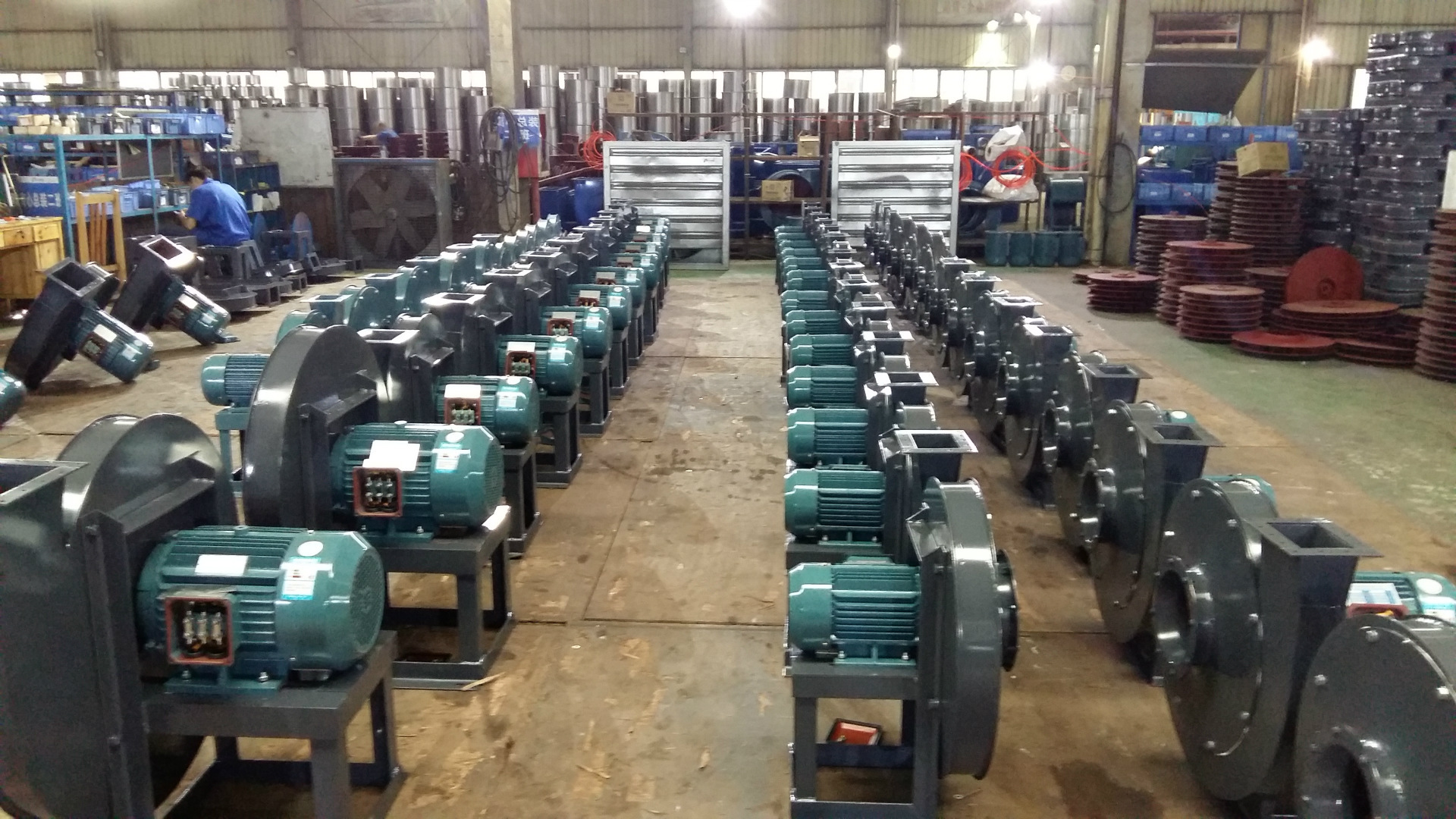
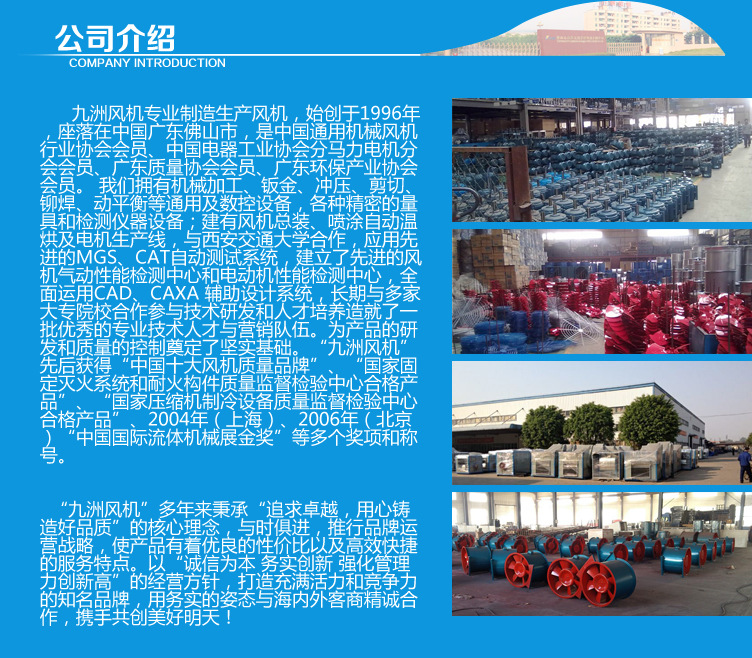
Production workshop footage:
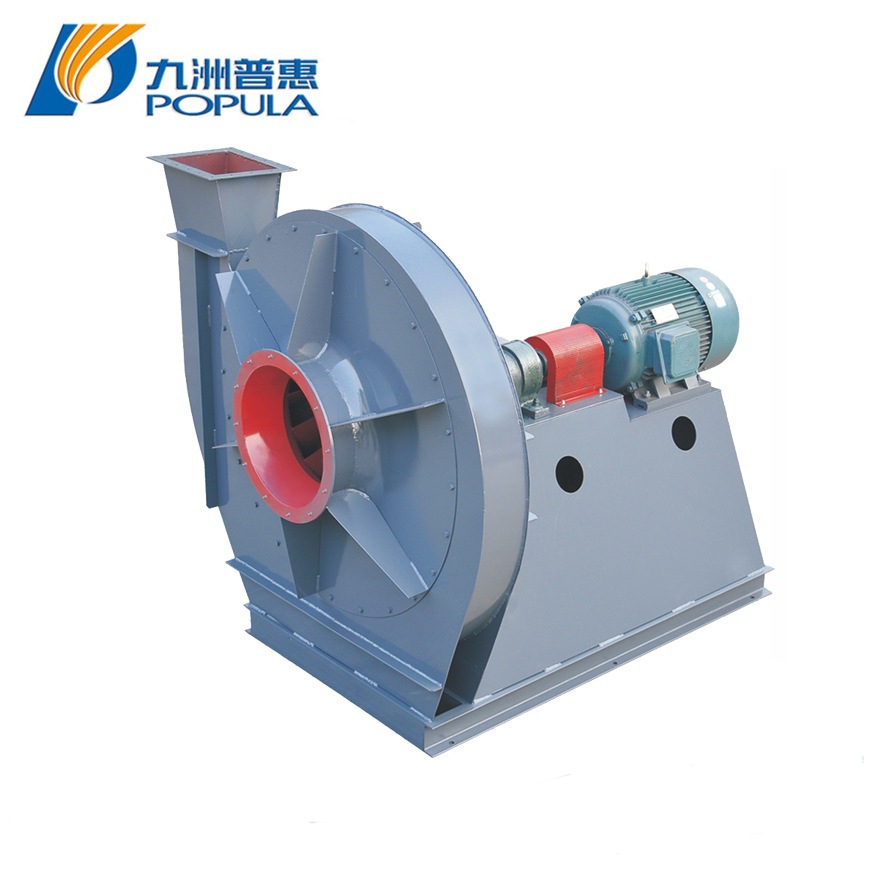
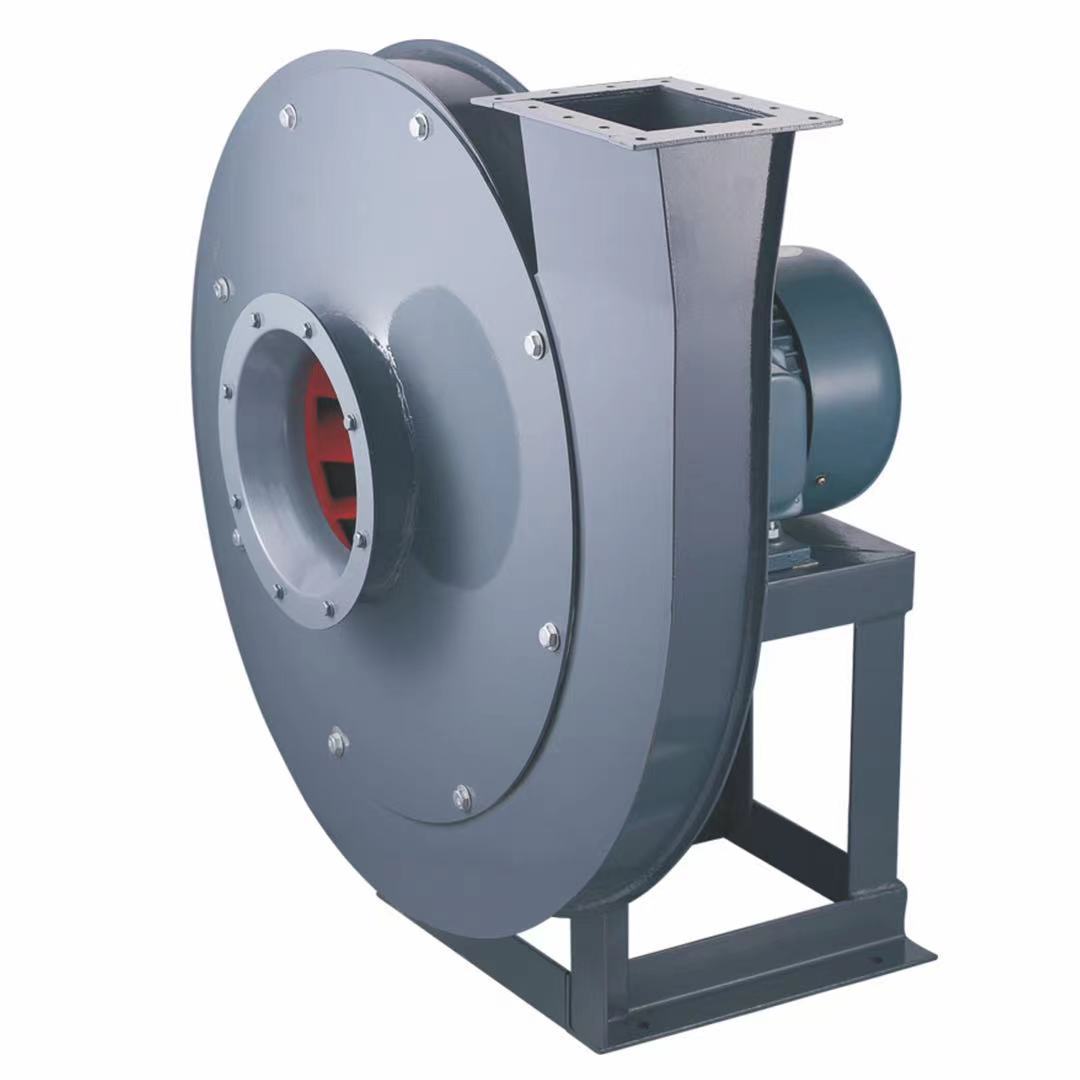
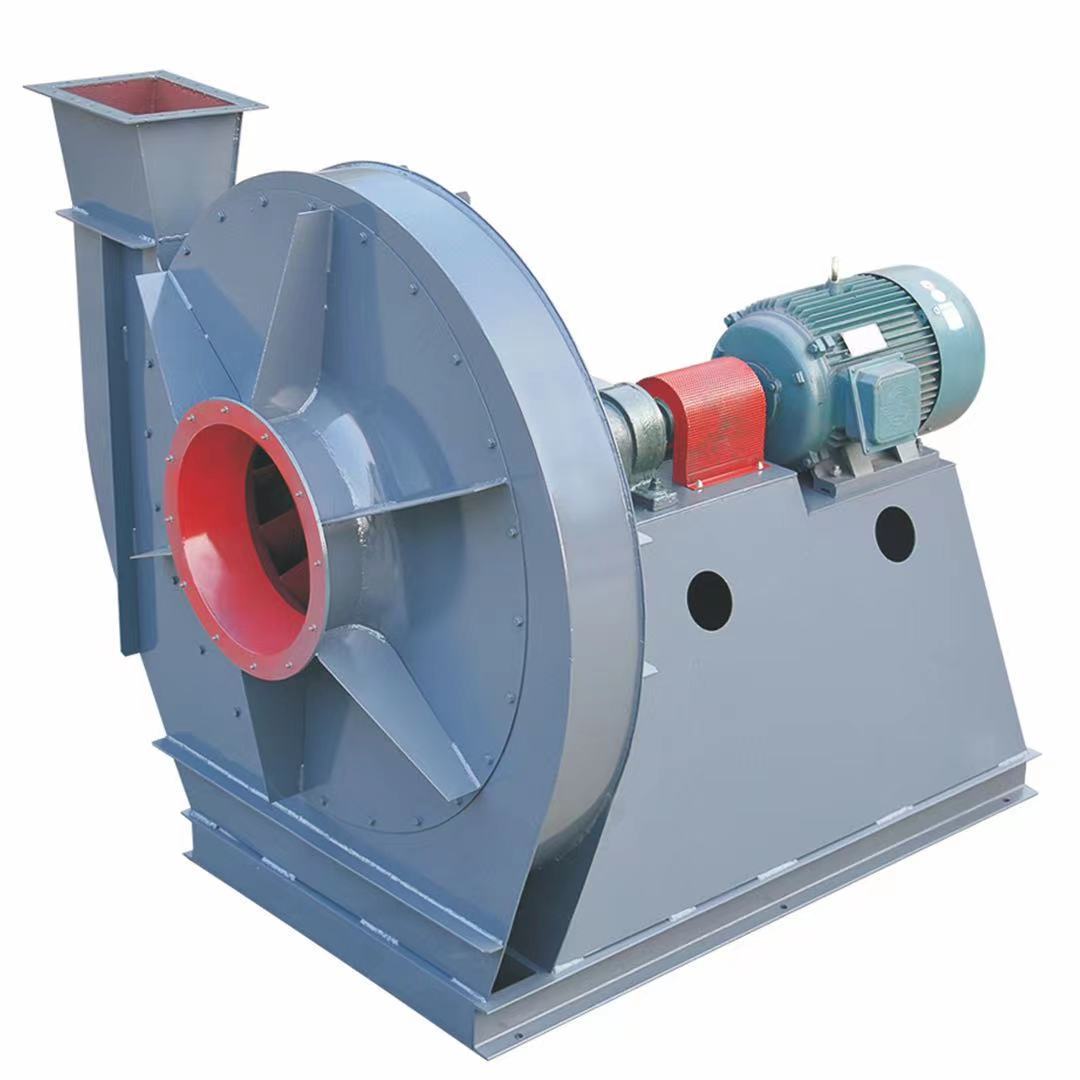
Type 9-19 centrifugal ventilators are generally used in furnaces, glass manufacturing, electroplating, ceramics, and storage
High-pressure forced ventilation is used in industries such as batteries and radio, and can be widely applied to grains, feed, and mineral powder
For material transportation in the processing industry, it is also suitable for cardboard machinery, tempered glass equipment, etc.
Used in conjunction with other components. The medium of transport is air, which is non-flammable, harmless to humans, and non-corrosive.
Gases: No viscous substances are allowed within the gas; the dust and hard particles contained should not exceed
150 mg/m³; the temperature during normal ventilation shall not exceed 80°C.
Type 9-19 centrifugal ventilators can be made of 316 stainless steel, designed for conveying corrosive or high-temperature gases up to ≤500°C, along with their performance and dimensions.


Fan installation and maintenance instructions:
(1) Installation and operation of the fan
Before installation: Conduct a thorough inspection of all components of the fan, ensure that all connections are secure, and verify that the transmission parts operate smoothly.
During installation: the inlet and outlet pipes of the fan should be adjusted to fit naturally; forced connection is not allowed. A flexible connection can be used if necessary.
After installation: 1) Manually rotate the shaft to check if the fan operates smoothly and there are no collisions before starting trial operation.
2) To prevent the motor from overloading and burning out, the fan must be started under no-load conditions; if everything is good, the load can be gradually increased.
Operation of the fan:
1) The air inlet should be closed before the fan starts up.
2) Check whether all parts of the fan are functioning properly.
3) After the fan operates under specified load for a period of time, the bearing temperature should be checked to ensure it is normal. When there are no specific requirements for bearing temperature, the temperature rise should generally not exceed 40°C above the ambient temperature. The effective value of vibration speed at the bearing area, Vrms, should be ≤ 7.1 mm/s. Immediate shutdown is required if severe vibrations, impacts, or rapid temperature rises are observed.
(2) Maintenance and Troubleshooting of Fans
1. Matters to be noted during fan maintenance work:
① The fan can operate only under completely normal conditions.
② If the fan is started after maintenance, it is necessary to check whether all parts of the fan are functioning properly.
③ Regularly remove dust, rust, and other impurities inside the fan, and check the belt tension at any time to prevent slipping.
④ The maintenance of the fan must be carried out when the machine is stopped.
⑤ During the operation of the fan, if any abnormal phenomenon is detected, it must be stopped immediately for inspection.
⑥ In addition to replacing the lubricating grease after each repair, it should be replaced every six months under normal conditions.
2. Major faults of the fan and their causes:
① The fan is vibrating severely
a. Shell or air inlet rubbing against the impeller;
b. The impeller rivets are loose or deformed;
c. The pipeline at the fan air inlet and outlet is poorly installed, causing resonance;
d. The blades are covered with dust and dirt; the blades are worn; the impeller is deformed; the shaft bending causes imbalance in the rotor.
e. The positions of the two pulleys are not aligned. The coupling is installed incorrectly, and there is no alignment at the centers on both sides of the coupling; after operating for a period of time, the position changes; the elastic components of the coupling are deformed excessively and worn excessively.
② Excessive bearing temperature rise
a. The bearing housing experiences severe vibration;
b. Bearing damage or shaft bending;
c. Poor quality or contaminated grease.
d. The bearing is lacking oil or overfilled with oil.
③ Excessive motor current and high temperature rise
a. During startup, the inlet and outlet pipelines were not properly closed;
b. The input voltage is too low or the single-phase power supply fails.
c. The spindle speed exceeds the rated value;
d. The input medium has too high density or too low temperature.
e. Motor bearings are damaged; the bearings may be lacking oil or have been overfilled with oil.
f. The system has changed, resulting in increased fan load and motor load.




Update time:


TOP