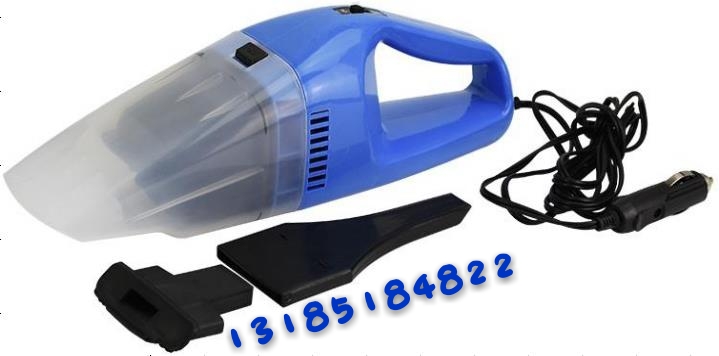
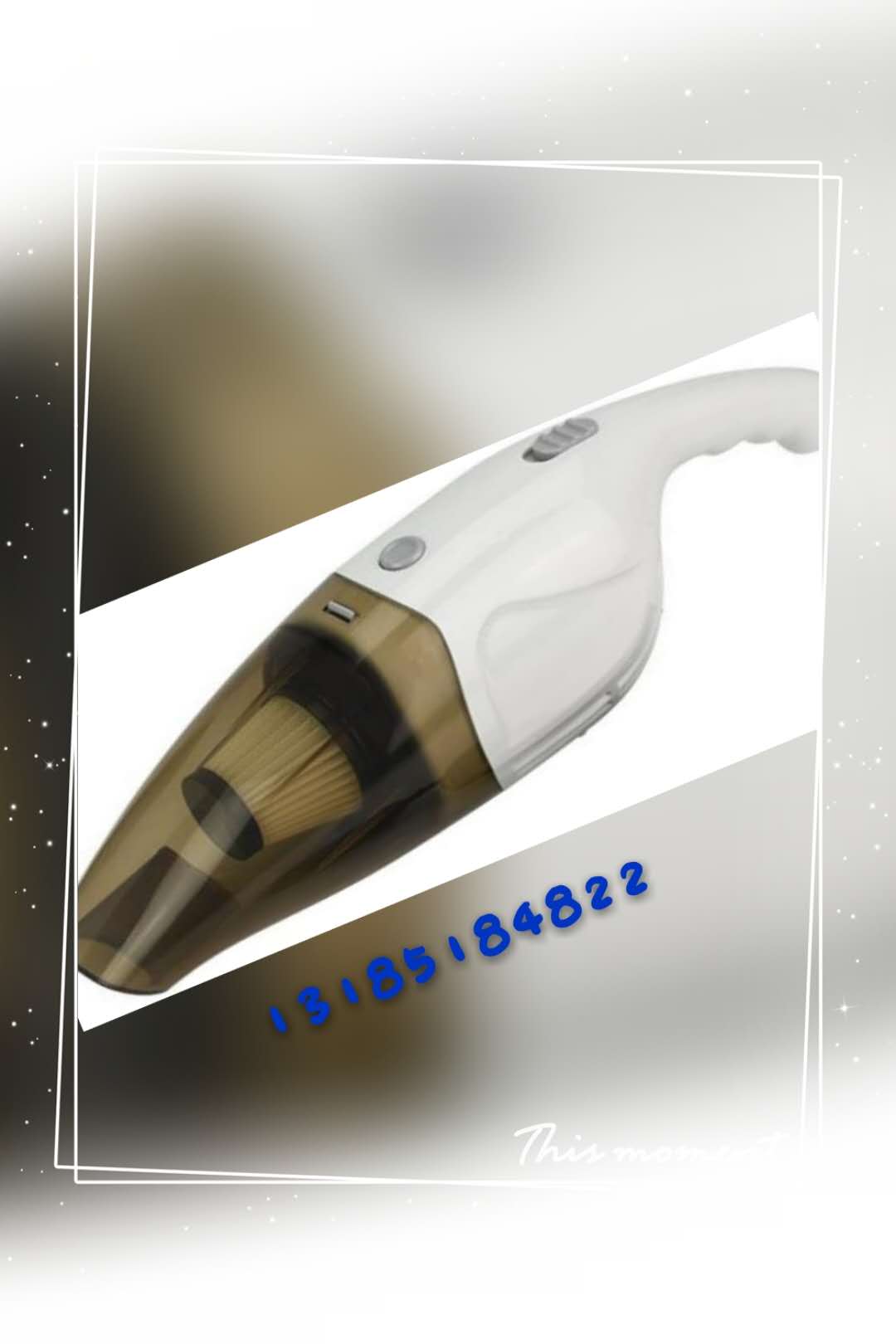
The function of the vacuum cleaner is to use an electric motor to drive the blades to rotate at high speed, creating negative pressure in the sealed casing to absorb dust particles.
The basic structure of the vacuum cleaner is divided into five parts based on its functions:
1. Power section: the vacuum cleaner motor and speed regulator. The speed regulator has manual control and automatic control.
Motor: There are copper wire motors and aluminum wire motors.
Copper wire motors have advantages such as high temperature resistance, long lifespan, and longer single operation time, but their price is higher than that of aluminum wire motors;
Aluminum wire motors have the advantage of being inexpensive, but they have poor temperature resistance, a low melting point, and a shorter lifespan compared to copper wires.
Governor: Manual control is typically for air valve adjustment (as shown);
The machine control system is a power-based handheld button or infrared adjustment.
2. Filtration system: dust bags, front filter element, rear filter element. Based on the filtration material, it can be further divided into: paper-based, fabric-based, SMS, and HEPA (high-efficiency particulate air filtration material).
3. Functional components: tensioning mechanism, dust level indicator, buttons or sliding switches.
4. Protection measures: dust-free bag protection, high vacuum protection, anti-interference protection (soft start), overheat protection, anti-static protection.
5. Attachments: handle and hose, nozzle, floor scrubber, flat suction device, round brush, bed sheet brush, sofa suction device, hooks, straps.
6. Vacuum principle: Under the high-speed operation of the motor, the fan impeller of the vacuum cleaner expels air from the impeller at high speed, while continuously replenishing air within the vacuum section into the fan. This creates a higher pressure difference compared to the external environment. Dust and dirt from the nozzle are drawn into the vacuum section along with the air, pass through the filter, and are then collected in the dust container.
7. Original parts of the vacuum cleaner: Most vacuum cleaners come with a assembled brush head for cleaning floors and carpets. Power-driven vacuum cleaners also include a set of cleaning brushes and suction nozzles to clean corners, curtains, sofas, and gaps.
8. Throat tube: All suction vacuum cleaners are equipped with a hard throat tube, which connects to the soft throat tube and accessories used for cleaning.
9. Electric brush: The cleaning head of an internal vacuum cleaner is a feature unique to hybrid vacuums.
10. Round brush head: Also has a smaller nozzle, capable of 360° rotation, making it convenient for cleaning furniture and fine mesh fabrics.
11. Flat suction nozzle: Also known as a gap suction nozzle, it is a long, flat, rigid suction nozzle. It is particularly suitable for cleaning around walls, radiant heating panels, corners, and narrow areas.
12. Dust brush: Made of long and soft bristles, suitable for cleaning curtains, walls, etc.