
Search history
Clear allSearch by image
XDrag and drop an image here or upload an image
Max 5MB per image
UploadSign In | Join

Search history
Clear allSearch by image
XDrag and drop an image here or upload an image
Max 5MB per image
UploadSign In | Join
REEDRLONM Flat Steel Wire / FLAT STEEL WIRE – Used for car sunshades and tents
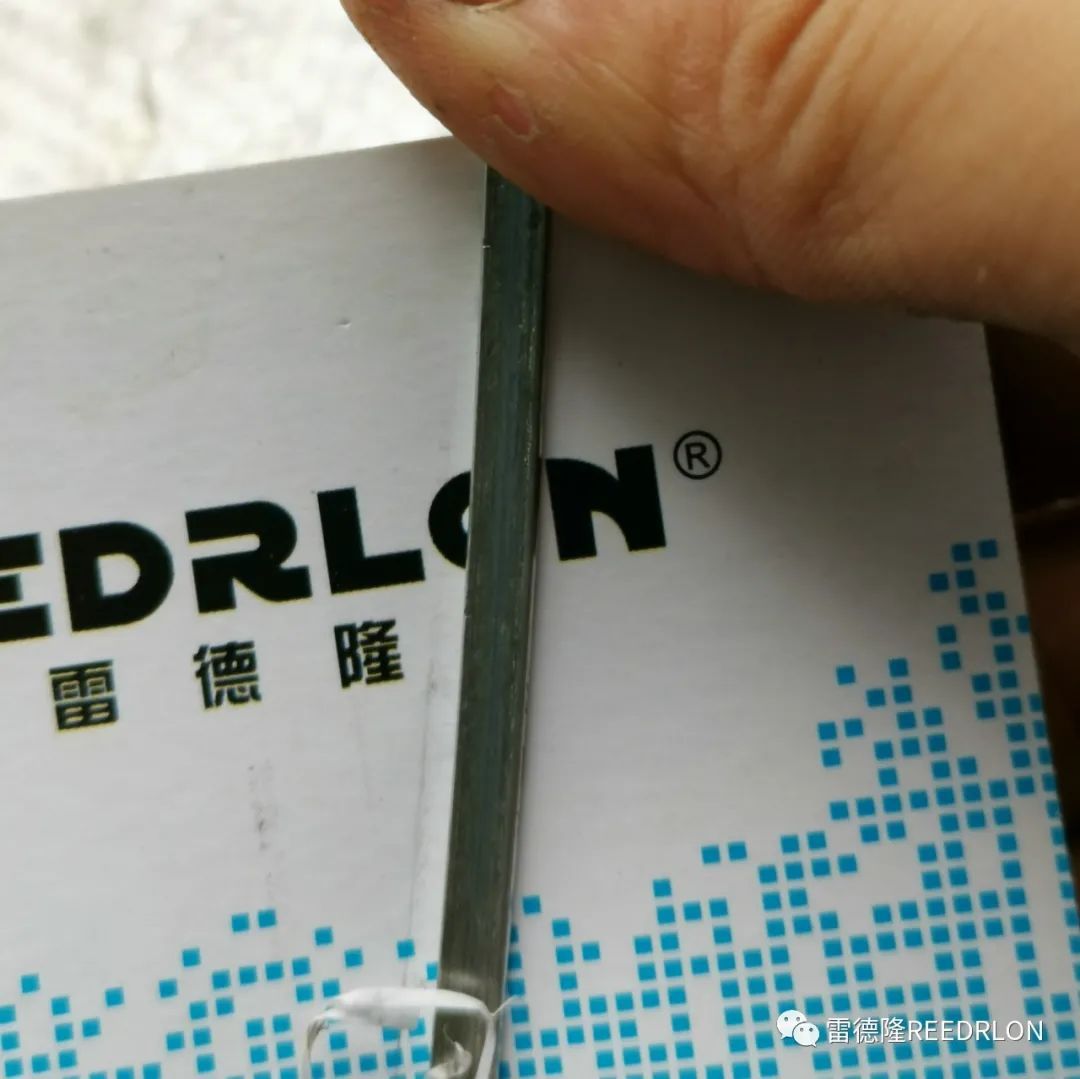
Material: High-quality steel wire
Thickness: 0.5mm–3mm
Width: 1.5mm–6mm
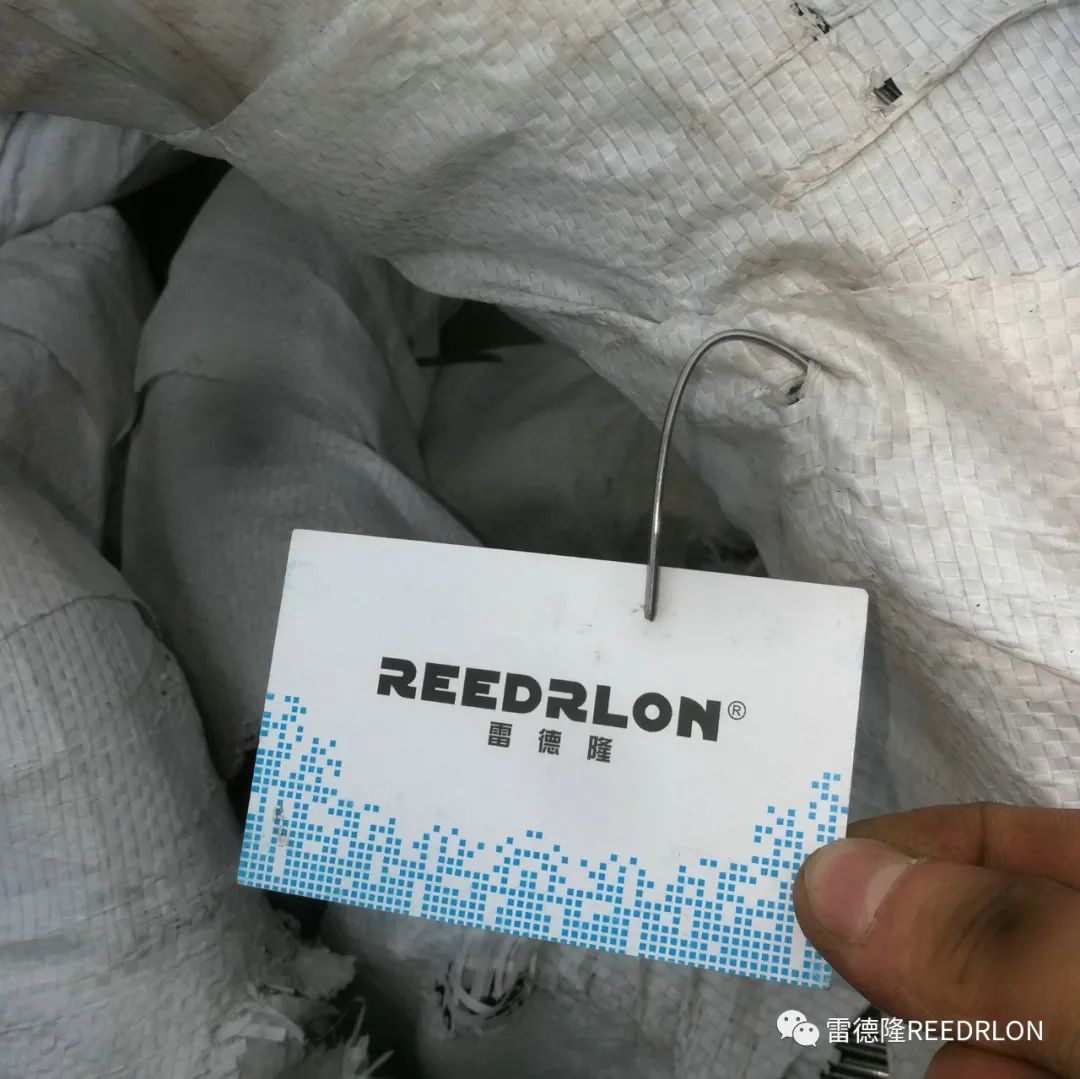
Packaging: Approximately 50 kg, non-standard items; one roll, one bundle
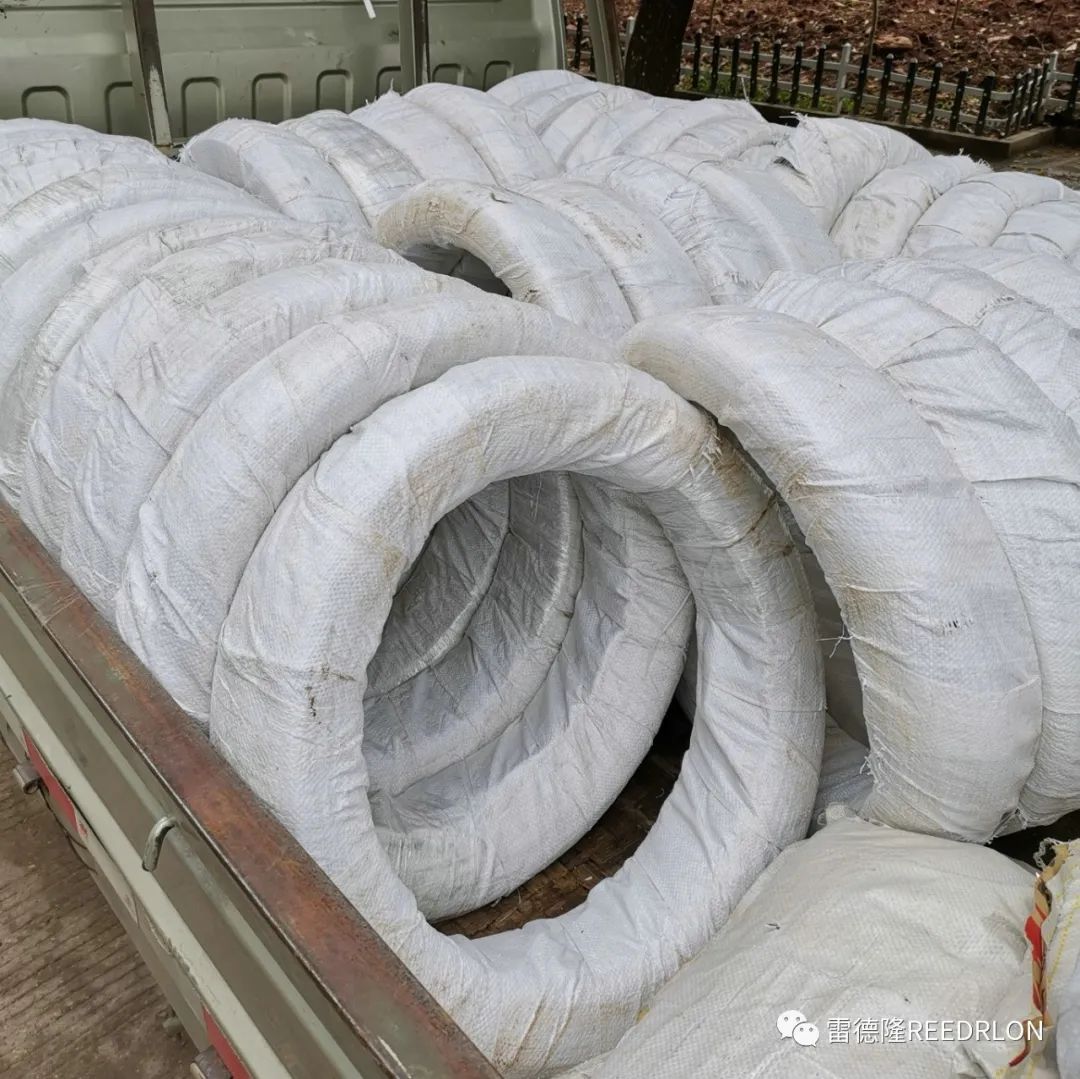
Internal plastic, external linen
No in stock; custom order required
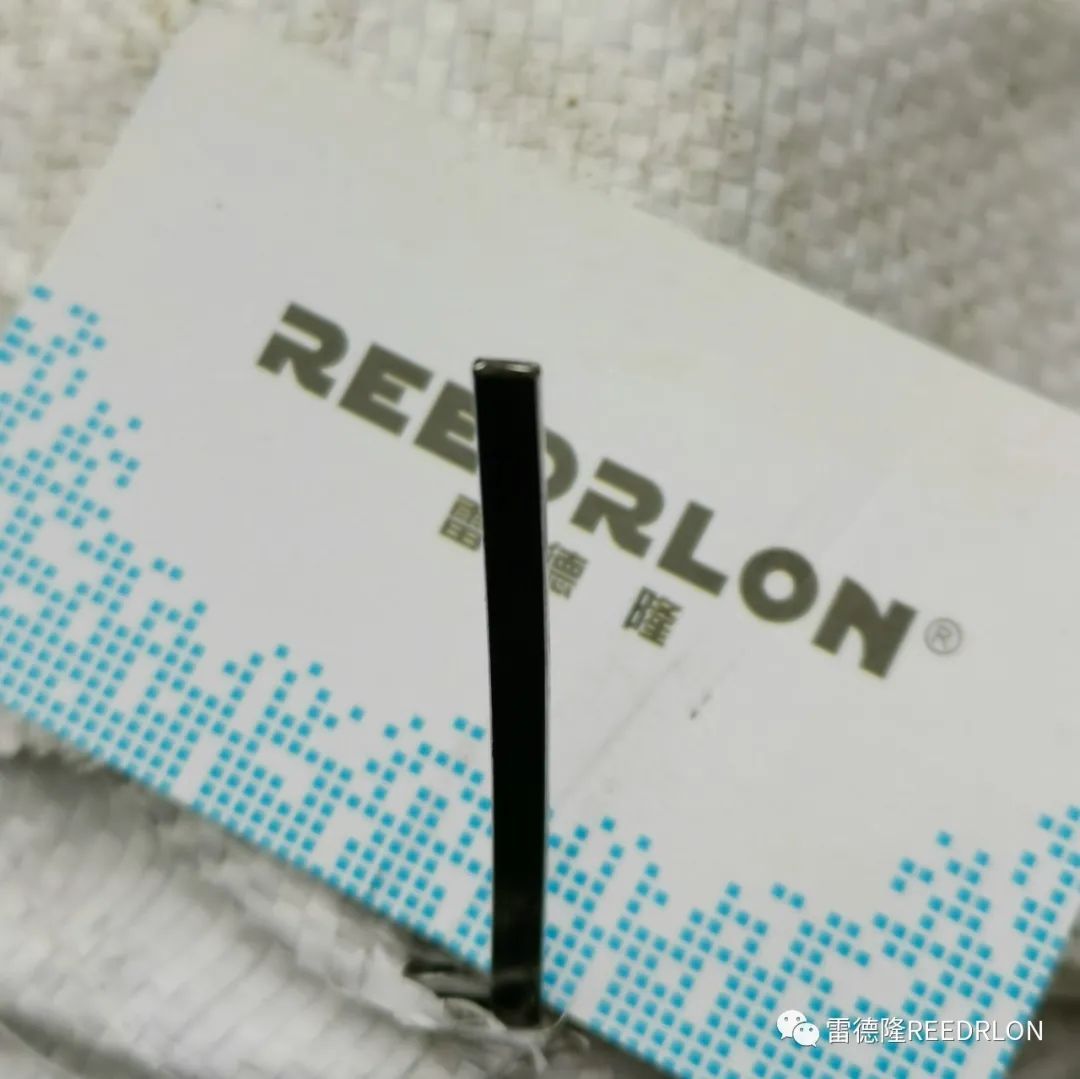
Flat steel wire is produced by rolling high-quality wire with a flatting machine, making it highly versatile in industrial production. It is used in aerospace guidance systems and military alloy flat steel wire, timepiece springs, car windshield wipers, as well as textile equipment such as needle cloth racks, steel reels, and steel sheaves used extensively in the textile industry.
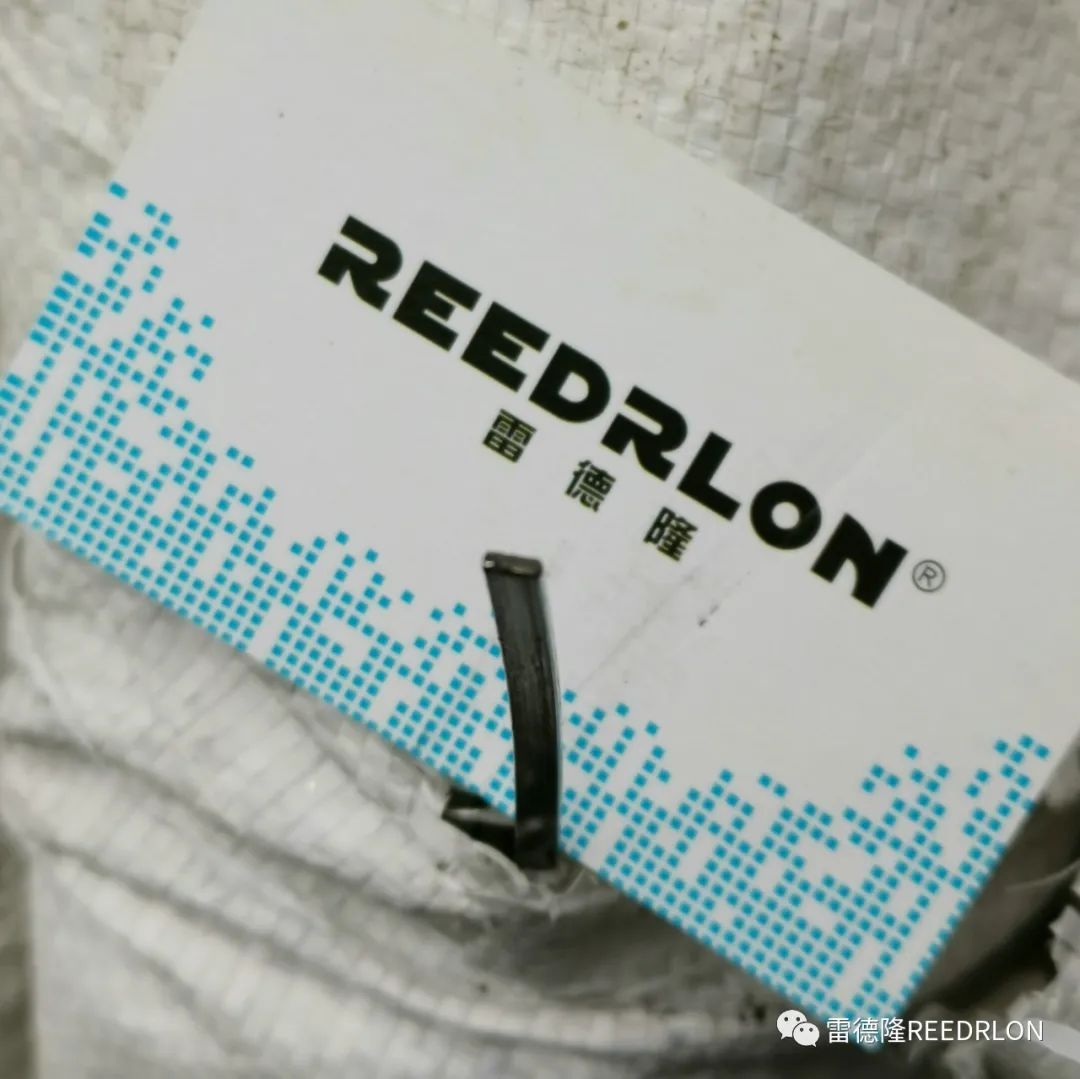
Flat steel wire is produced using a high-quality wire diameter rolling mill. Flat steel wire has a wide range of applications in industrial production, such as in aerospace guidance systems, alloy flat steel wire used in the military industry, timer springs, automobile wiper frames, and textile equipment like needle cloth racks, reeds, and steel sheets.
The round-section strip that is pulled to a specific size specification is rolled using flat rolls, resulting in flat steel wires with a large width-thickness ratio and high precision.
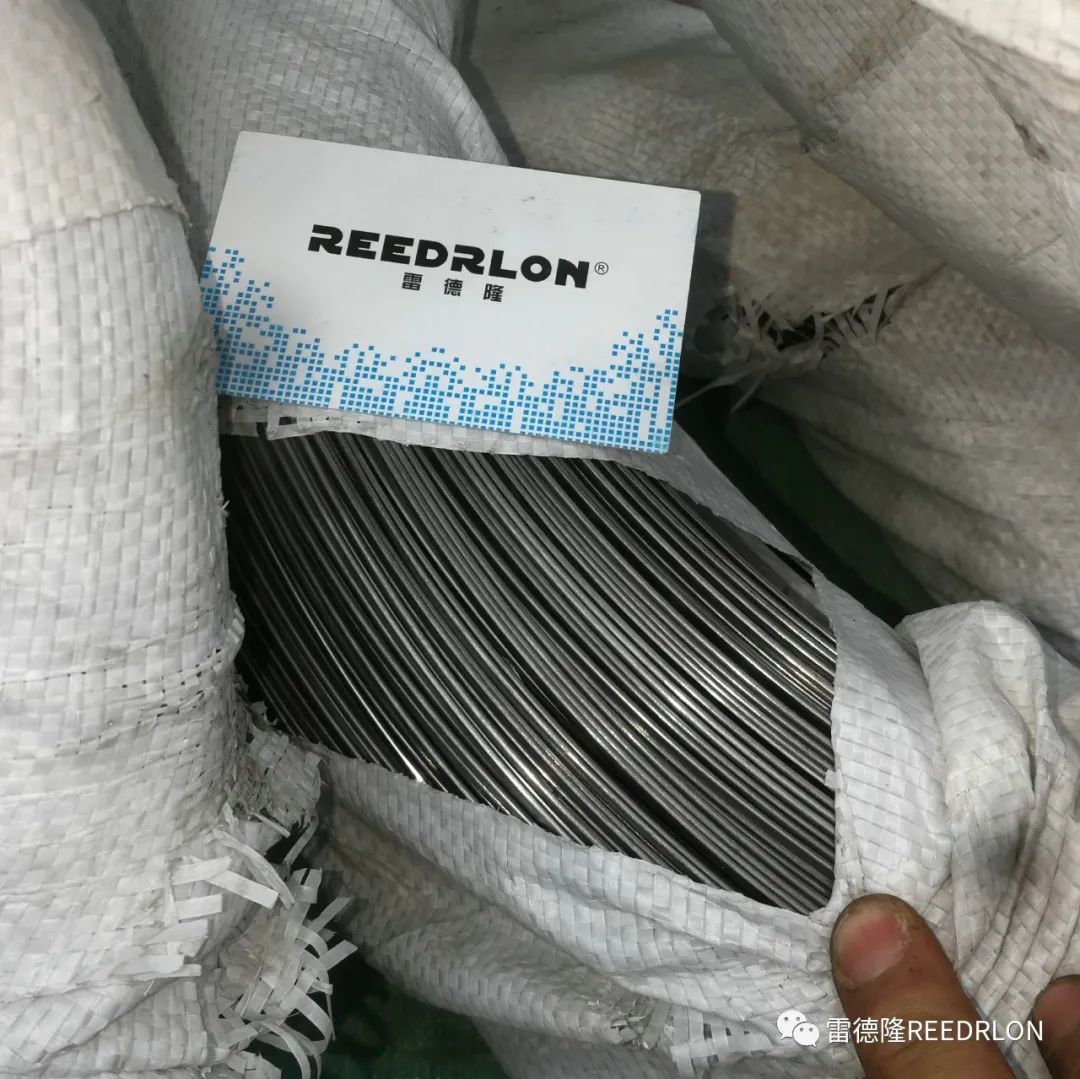
The flat steel wire with a high width-to-thickness ratio and high precision can be produced by rolling wire rods of a specific size.
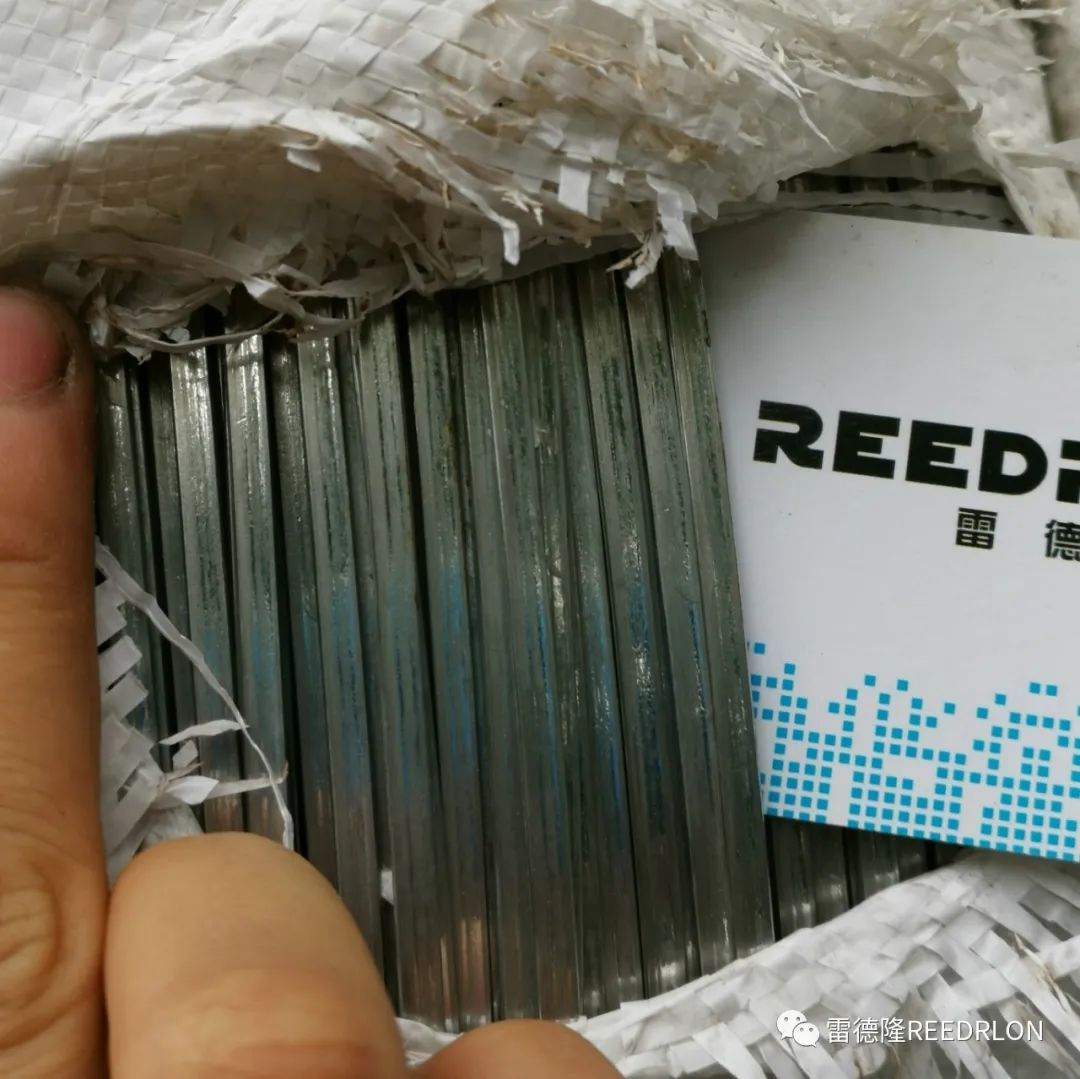
Currently, flattening round steel wires is one of the primary production methods for manufacturing high-precision flat steel wires. In the past, flat steel wires were mainly obtained through cold drawing. However, due to several drawbacks such as high drawing force, high lubrication requirements, and significant mold loss, this method has gradually been replaced by the flattening process of round steel wires. The flat steel wire strips produced using this process feature superior performance, a simple manufacturing process, good surface quality, and uniform thickness. Additionally, after cold processing and hardening, they exhibit high tensile strength. Compared to cutting sheet materials into flat steel wires, this method offers many advantages, including lower labor intensity, larger single coil weight, and higher production efficiency, thus being widely used.
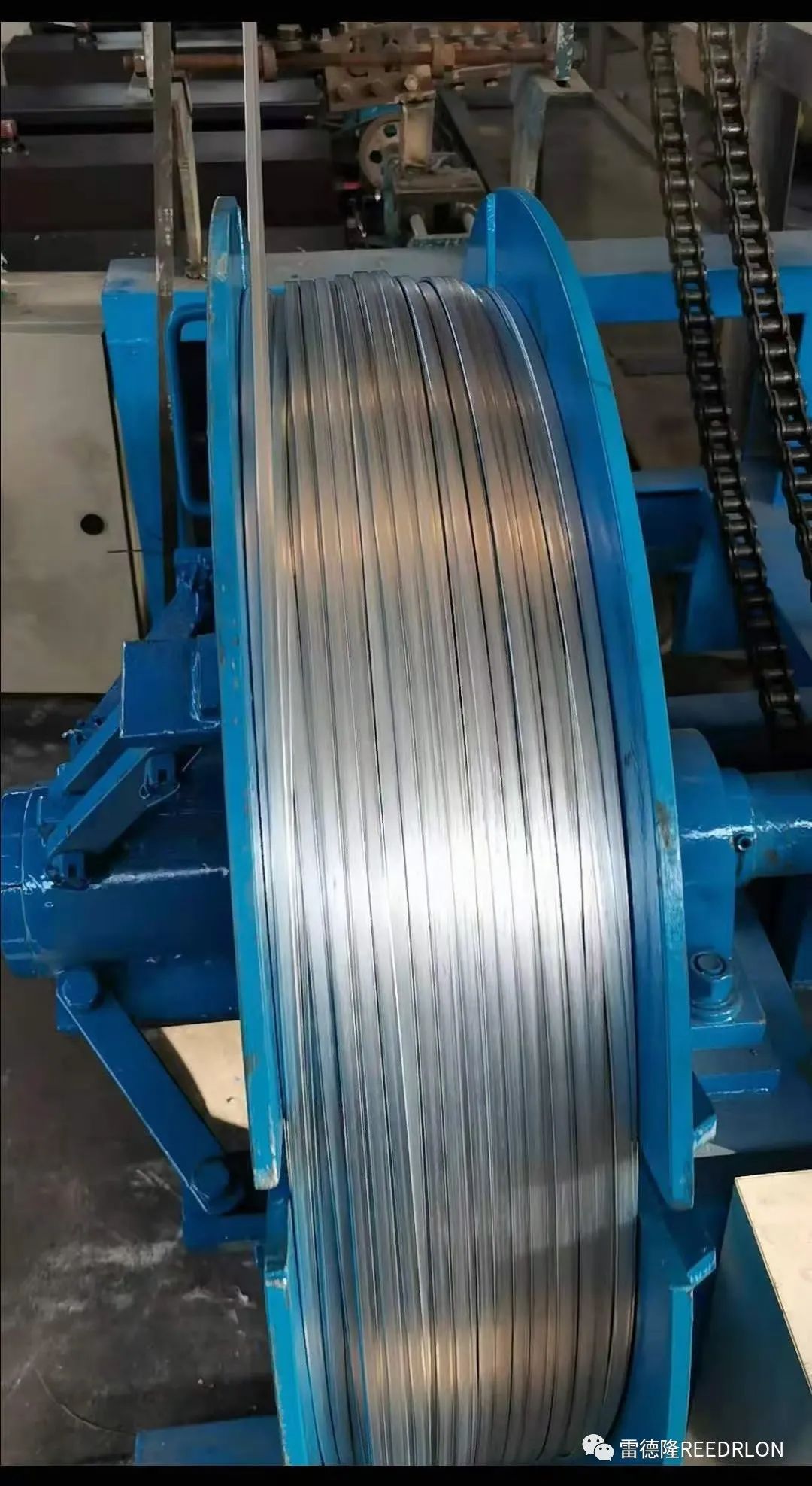
Currently, flattening round steel wire is one of the primary production methods for manufacturing high-precision flat steel wire. In the early stages, flat steel wire was primarily produced through cold drawing. Due to the disadvantages such as high drawing force, extensive lubrication requirements, and significant mold wear, it was gradually replaced by the flattening rolling process for round steel wire. The flat steel wire produced via this process features excellent performance, a simple process, good surface quality, uniform thickness, and high tensile strength after cold working hardening. Compared to flat steel wire, it offers many advantages, including lower labor intensity, larger single plate weight, and higher production efficiency.
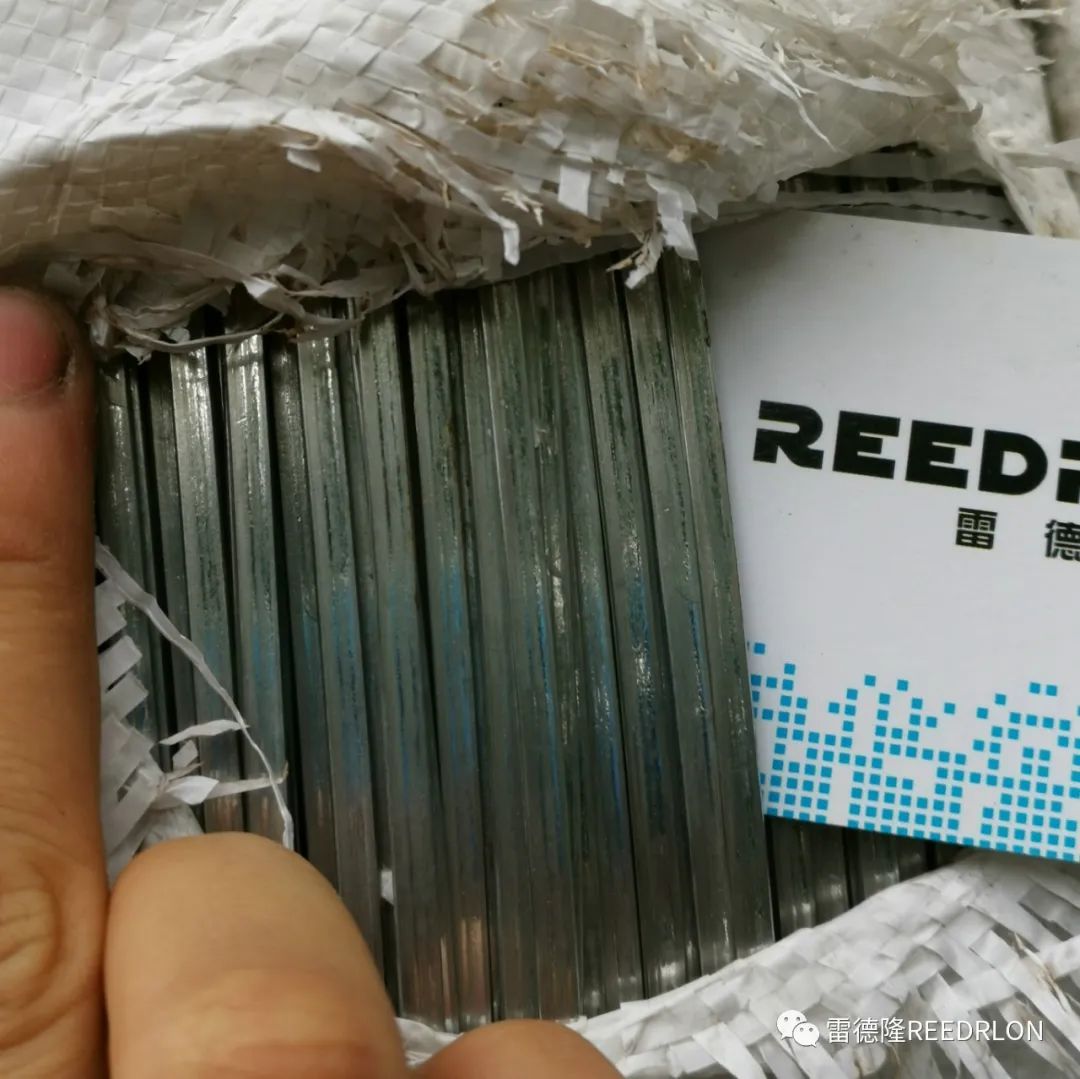
After hot-rolled bars are cold-drawn to the specified dimensions, they are softened through recrystallization and annealing. Subsequently, rolling and final heat treatment are carried out to obtain a qualified product. The entire process involves two heat treatments; the final heat treatment primarily uses oil quenching to achieve martensite strengthening, followed by tempering at different temperatures to obtain the desired mechanical properties.
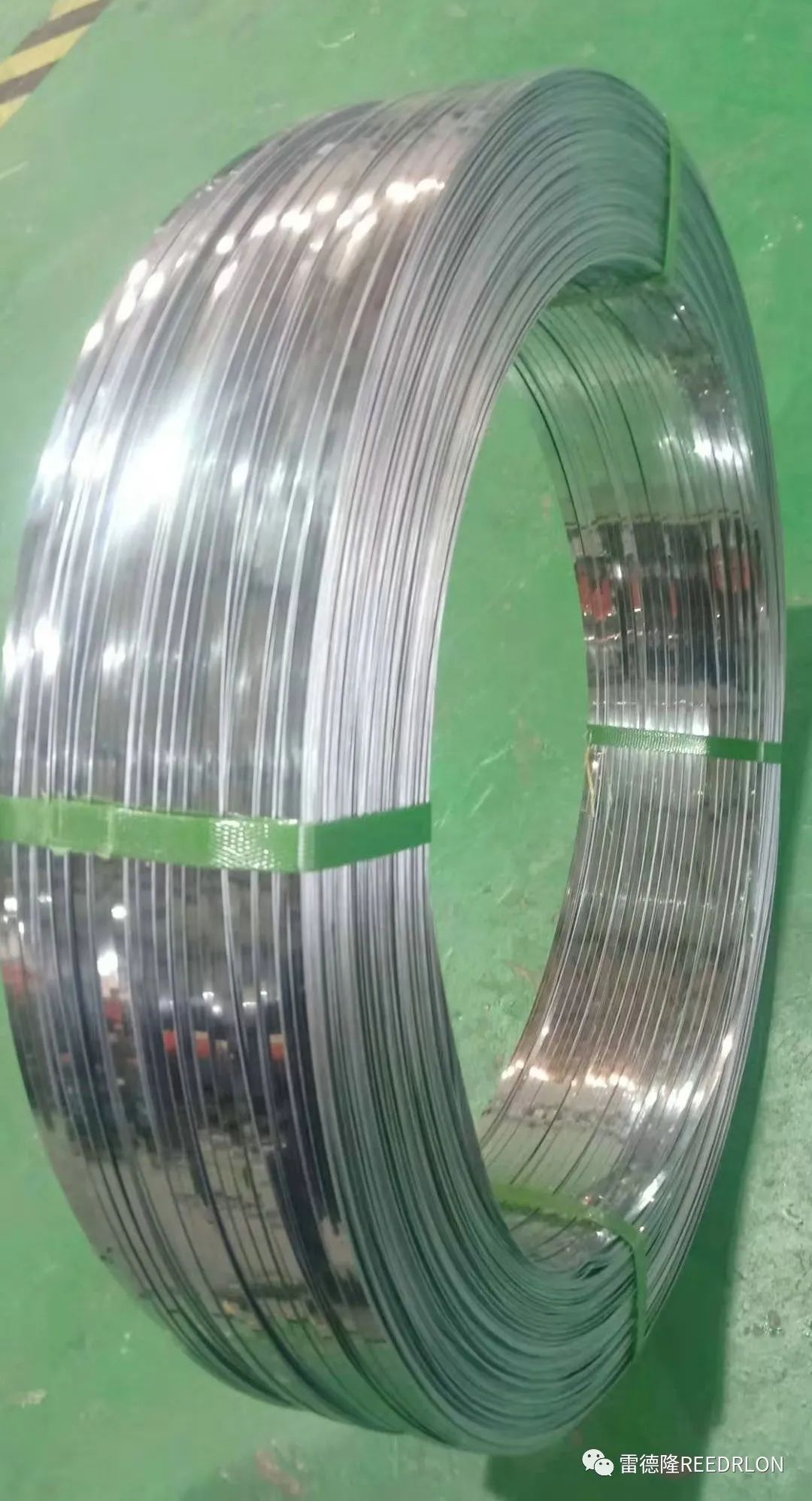
After the hot-rolled wire rod is cold-drawn to the specified size, it is softened through recrystallization annealing, followed by rolling and final heat treatment, resulting in qualified products. The entire process requires two heat treatments; the final heat treatment primarily involves oil quenching to achieve martensite strengthening, and then different temperature tempering is applied to obtain the desired mechanical properties.
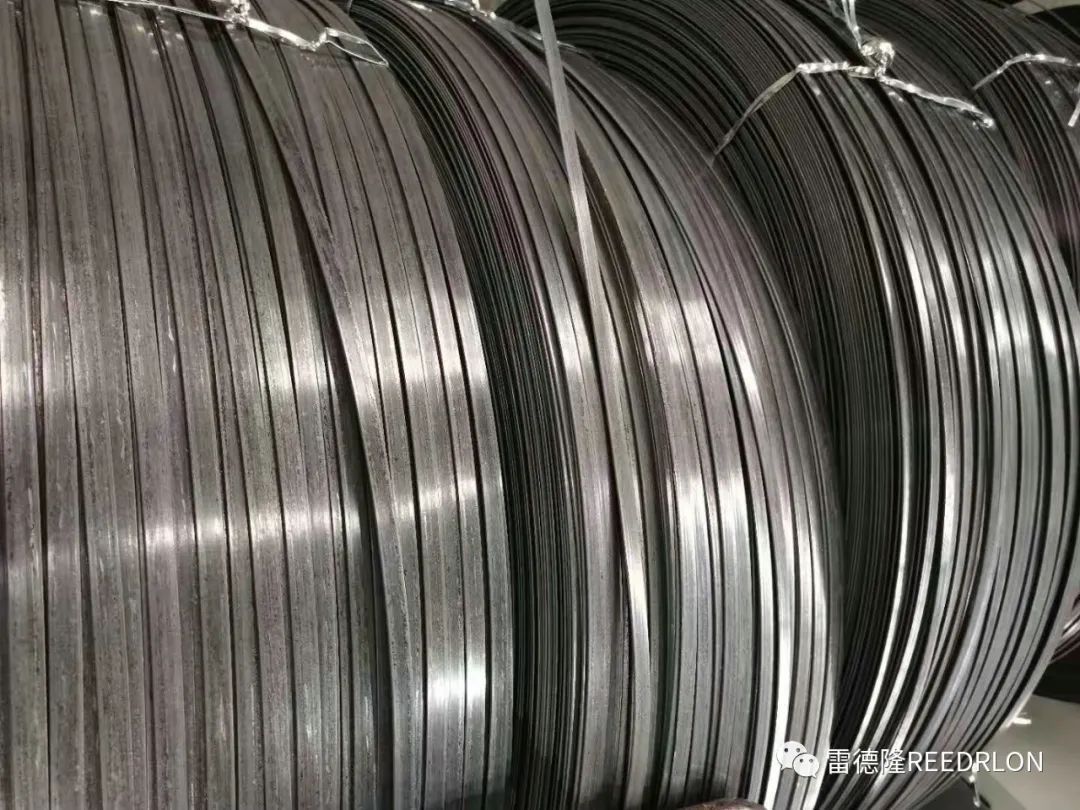
This manufacturing process is widely used by major manufacturers, but it also has some limitations, mainly manifested as:
(1) The intermediate heat treatment process makes the process complex, reducing production efficiency and increasing production costs and labor expenses;
(2) After intermediate heat treatment, the work hardening effect caused by the cold drawing process is completely eliminated;
(3) The final mechanical properties of the product are limited by the final heat treatment process.
Believe in the power of professionalism!
We take steel production very seriously!
Steel wire, please select Redron!
Redron is with you!!!
Believe in the power of professionalism!
We are committed to creating STEEL WIRE!
Good STEEL WIRE, please choose REEDRLON!
REEDRLON with you toghter! !!
Update time:


TOP


